


How Women's 3D Effect Boots Elevate Style For Urban Commutes and Outdoor Adventures
Oct 21, 2026
View: 0
Leave a message
Meta Description: Urban commuters and outdoor enthusiasts often struggle to balance style, waterproof protection, and comfort in footwear. This guide breaks down the features, materials, and maintenance tips for women’s 3D effect boots tailored for daily commutes and weekend outdoor activities. Professional Rain Boot Manufacturer shares industry insights to help you choose the right pair for your needs.
Keywords: Women 3D Effect Boots, urban commute boots, outdoor adventure boots, waterproof boots, rubber rain boots, boot maintenance, footwear style
1. Core Problem Analysis
1.1 Common Causes of the Problem
Many women face common issues with inappropriate boots: poor waterproofing leading to soaked feet during rainy commutes, slippery outsoles causing falls on wet urban sidewalks, stiff materials leading to discomfort during long walks, and designs that clash with daily work or casual wear. Additional issues include materials that crack over time due to extreme temperatures, and inadequate insulation for cold outdoor use.
1.2 Affected Usage Scenarios
These problems impact two key scenarios: urban daily commuting, where boots need to look professional for office settings while handling rain, snow, and puddles; and weekend outdoor adventures, such as hiking trails, forest walks, or coastal excursions that require grip, flexibility, and resistance to mud or mild chemical exposure from natural elements.
2. Product and Process Principle
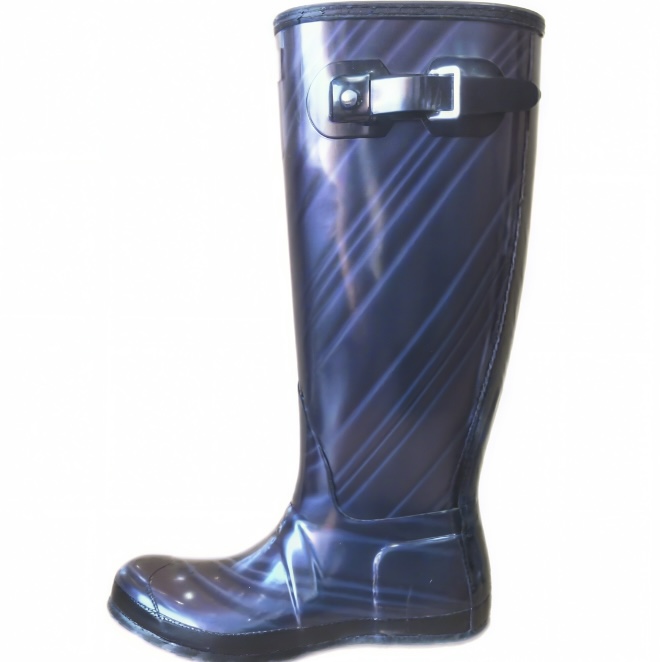
Women’s 3D effect boots rely on advanced material science and manufacturing processes to combine style and functionality. Most models use high-grade natural rubber or PVC compounds formulated to balance flexibility, durability, and water resistance. Vulcanization, a key production method, bonds rubber molecules under controlled heat and pressure, creating a seamless structure that eliminates water entry points. Outsole patterns are engineered with deep lugs to improve traction on wet or uneven surfaces, while 3D texturing adds visual depth without compromising material integrity.
Professional Rain Boot Manufacturer notes that the 3D design is integrated into the boot during the molding process, rather than as a separate adhesive layer, which reduces peeling risk and maintains long-term aesthetic consistency. Shaft height is also optimized: shorter mid-calf shafts work for urban commutes that require easy on/off under office dress codes, while taller ankle shafts offer extra support for outdoor terrains.
3. Practical Solutions and Operation Steps
To select the right women’s 3D effect boots for your needs, follow these actionable steps, considering both use cases and practical constraints:
- For urban commutes: Choose boots with a 1.5 to 2-inch block heel for added style, a moisture-wicking fabric lining for all-day comfort, and outsoles tested to meet slip resistance standards for indoor and outdoor pavement use.
- For outdoor adventures: Select boots with a lugged outsole (groove depth of at least 5mm) to grip muddy or rocky surfaces, a waterproof membrane to block water from seeping in through seams, and a flexible upper that bends naturally during walking.
- Verify material thickness: Aim for a rubber or PVC thickness between 2mm and 3mm; thinner materials may tear easily, while thicker pairs reduce mobility for urban use.
- Check sizing: Measure foot length at the end of the day (when feet are slightly swollen) and select boots with a half-size larger than your regular shoe size to accommodate thick socks for cold weather use.
- Test for fit: Walk around in-store or check break-in requirements for online purchases; avoid pairs that cause pinching in the toe box or heel.
4. Daily Maintenance and Precautions
Proper maintenance extends the lifespan of women’s 3D effect boots and preserves their 3D texture. After each use, wipe off dirt, mud, or salt with a soft, damp cloth; avoid using harsh detergents or abrasive cleaners, which can degrade rubber or fade textured surfaces. Allow boots to air dry naturally at room temperature—never place them near radiators, heaters, or direct sunlight, as extreme heat can cause material cracking or warping.
For storage, keep boots in a cool, dry place, away from sharp objects that could puncture the rubber. Stuff them with tissue paper or shoe trees to maintain their shape, especially for tall shaft designs. A key precaution: do not use women’s 3D effect boots as protective footwear for industrial work, as they may lack the impact resistance required by occupational safety standards.
5. Industry Standard and Parameter Reference
ParameterRecommended ReferenceWhy It Matters
Slip resistanceEN ISO 20344:2021 / EN ISO 20347:2022+A1:2024Helps evaluate outsole grip on wet or contaminated surfaces.
Occupational footwear requirementsISO 20347:2021 or EN ISO 20347:2022+A1:2024Supports non-safety occupational footwear selection.
Chemical protective footwearEN 13832-3:2018Useful for chemical degradation and permeation evaluation.
Waterproof performanceISO 20344:2021 section 7Tests resistance to water penetration under pressure, relevant for rainy commutes and outdoor use.
Do not invent exact performance numbers. Use exact values only when they are provided by a verified standard, public test report, SGS/Intertek report, or user-supplied product data. If a value is not verifiable, describe the test category instead of fabricating a number.
6. Customer Common FAQ
Q: Are women’s 3D effect boots waterproof for heavy rain?
A: Most quality models use vulcanized rubber or seamless PVC construction, which meets waterproofing standards set in ISO 20344:2021. However, they are not designed for submersion in deep water for extended periods, which is a key distinction from specialized waterproof work boots.
Q: How do I clean textured 3D surfaces without damaging the design?
A: Use a soft-bristled brush and mild soap, then rinse with cool water. Avoid scrubbing too hard, which can wear down raised texture elements. Professional Rain Boot Manufacturer recommends testing cleaners on a small, inconspicuous area first to ensure no discoloration occurs.
Q: Can I wear 3D effect boots for hiking?
A: They are suitable for casual hiking on mild trails, but not for strenuous mountain hiking. Look for models with reinforced ankle support and deep lug outsoles if you plan to use them for outdoor trail walks.
Q: How long do women’s 3D effect boots typically last with regular use?
A: Lifespan depends on frequency of use and maintenance; with proper care, most pairs last 1 to 3 years. Rubber compounds and texture design can wear over time if exposed to extreme temperatures or harsh chemicals.
Conclusion
Women’s 3D effect boots offer a versatile solution that combines style for urban commutes and functionality for weekend outdoor adventures, addressing common pain points like waterproofing, slip resistance, and comfort. By selecting pairs aligned with industry standards, following practical maintenance steps, and understanding scenario-specific requirements, users can maximize value from their footwear. Professional Rain Boot Manufacturer emphasizes that careful selection based on material and design principles ensures long-lasting, reliable performance for daily and recreational use.
References
- International Organization for Standardization. ISO 20344:2021, Footwear – Test Methods for General Requirements. 2021.
- International Organization for Standardization. ISO 20347:2021, Occupational Footwear. 2021.
- European Committee for Standardization. EN ISO 20347:2022+A1:2024, Occupational Footwear. 2024.
- European Committee for Standardization. EN 13832-3:2018, Chemical Protective Footwear. 2018.