


How Women's Waterproof Latex Boots Excel in Extreme Wet Conditions
Sep 16, 2026
View: 0
Leave a message
Meta Description: This article explores how women's waterproof latex boots stand out in extreme wet conditions. It analyzes common problems, explains the material and process principles, provides practical solutions, and covers maintenance, industry standards, and FAQs. It's useful for women seeking proper waterproof boots in wet - work or rainy - day scenarios. Professional Rain Boot Manufacturer
Keywords: Women's waterproof latex boots, Extreme wet conditions, Latex material, Boot selection, Boot maintenance
1. Core Problem Analysis
1.1 Common Causes of the Problem
When users search for women's waterproof latex boots in extreme wet conditions, they often encounter several issues. One of the main problems could be leakage. Over time, the waterproof integrity of the boots may be compromised due to wear and tear on the latex material, such as small punctures or cracks from sharp objects in the wet environment. Another issue is the lack of proper grip. In wet and slippery conditions like muddy fields or wet floors, the outsole may not provide enough traction, increasing the risk of slips and falls. Additionally, foot comfort can be a concern. Prolonged immersion in water may make the feet feel cold and uncomfortable, and if the boots are not well - ventilated or have a proper fit, it can lead to blisters and foot fatigue.
1.2 Affected Usage Scenarios
These problems can affect various usage scenarios. In farming, women working in wet fields may need to stand in muddy water for long periods, making waterproof and non - slip boots essential. Gardening is another scenario, especially during heavy rain or when watering plants. The boots need to keep the feet dry while allowing free movement. Food processing industries often have wet floors, and women workers require boots that can prevent water from seeping in and provide good traction to avoid accidents. Fishing trips involve being around water, on wet boats or pier surfaces, where waterproof latex boots should perform well. Rainy commuting is also an important scenario, ensuring that women can walk to work or run errands without getting their feet wet.
2. Product and Process Principle
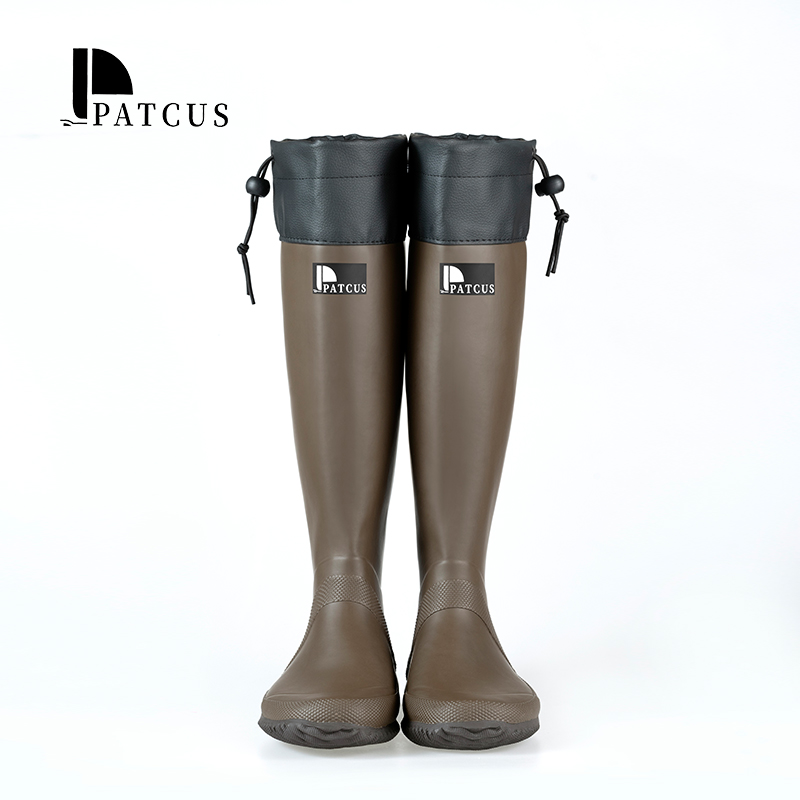
Women's waterproof latex boots are mainly made of natural latex, a material known for its excellent elasticity and impermeability. The latex is obtained from rubber trees and processed into a form suitable for boot - making. Its high elasticity allows the boots to fit snugly around the feet, providing a good seal against water. During the manufacturing process, the latex is often molded in a process similar to other rubber footwear. Injection molding is a common method where the latex is heated to a liquid state and injected into a mold of the desired boot shape under high pressure. This ensures a precise shape and a smooth finish. Some high - quality boots may also undergo a vulcanization process. Vulcanization involves treating the latex with sulfur or other chemicals at specific temperatures, which enhances the latex's strength, durability, and resistance to heat and aging. The seamless structure in the design of these boots is crucial for waterproofing. By eliminating seams, there are fewer potential leakage points. The thickness of the latex is also carefully controlled. A proper thickness provides a balance between flexibility and waterproof performance. Professional Rain Boot Manufacturer uses advanced compound formulations to improve the overall performance of the boots, such as adding anti - microbial agents to prevent odor and fungal growth.
3. Practical Solutions and Operation Steps
When choosing women's waterproof latex boots, consider the following steps. First, select the appropriate material. Ensure that the boots are made of high - quality natural latex, as it offers better waterproof and elastic properties compared to synthetic alternatives. Check the product description for information on the latex purity. Second, pay attention to the shaft height. If you're likely to encounter deep water, like in a flooded field or during heavy coastal rain, choose high - shaft boots that cover at least the ankles and preferably go up to the calves. For lighter wet conditions, mid - shaft boots may be sufficient. Third, evaluate the sole. Look for boots with deep and well - designed soles. Grooved or patterned soles can provide better traction on wet surfaces. The sole material also matters; a softer rubber compound can enhance grip. You can test the sole by pressing on it with your finger to feel its flexibility. Fourth, consider the lining. A soft and breathable lining can improve comfort, especially if you'll be wearing the boots for long periods. Some linings are designed to wick away moisture, keeping your feet dry. Fifth, select the right size. A well - fitting boot is crucial for comfort and performance. Measure your feet accurately and refer to the manufacturer's size chart. Try on the boots if possible, and ensure there is enough room for your toes to move freely without the boots being too loose. Sixth, check the durability and resistance ratings. If you'll be in cold environments, ensure the boots have a good low - temperature resistance, so they don't become brittle. For more demanding industrial or chemical - exposed scenarios, look for boots with appropriate safety ratings. Regarding cleaning, use a mild soap and lukewarm water to clean the boots after each use. Gently scrub the surface with a soft brush and rinse thoroughly. Let them air - dry away from direct sunlight and heat sources. For storage, keep the boots in a cool, dry place, preferably hanging them up to maintain their shape.
4. Daily Maintenance and Precautions
For daily maintenance, after each use, clean the boots as soon as possible. Remove any dirt or debris from the surface, as these can cause abrasion and damage to the latex over time. Use a soft cloth or sponge to wipe the boots, and if necessary, use a mild detergent. After cleaning, rinse the boots thoroughly to remove all soap residue. To dry the boots, stuff them with newspaper or a dry cloth to absorb excess moisture. Hang the boots in a well - ventilated area at room temperature. Avoid placing them near heaters, radiators, or in direct sunlight, as high temperatures can cause the latex to dry out, crack, or lose its elasticity. To prevent odor, you can sprinkle baking soda inside the boots or use specialized boot deodorizers. For long - term storage, apply a light coat of latex protectant or conditioning cream to keep the material soft and supple. However, there are several precautions to take. Do not expose the boots to sharp objects, as they can easily puncture the latex. Avoid using harsh chemicals or strong solvents to clean the boots, as these can damage the material. Do not use the boots in extreme heat or cold environments beyond their specified limits. Also, remember that regular latex boots are not intended for use in highly hazardous chemical environments unless they are specifically designed and certified for such conditions. Do not use them as a substitute for safety boots that are required in certain workplaces.
5. Industry Standard and Parameter Reference
This section provides key international standards and testing methods for evaluating the performance of women's waterproof latex boots in extreme wet conditions:
ParameterRecommended ReferenceWhy It MattersSlip resistanceEN ISO 20344:2021 / EN ISO 20347:2022+A1:2024 where applicableHelps evaluate outsole grip on wet or contaminated surfaces.Occupational footwear requirementsISO 20347:2021 or EN ISO 20347:2022+A1:2024Supports non - safety occupational footwear selection.Safety toe footwearASTM F2413 - 24 where protective toe performance is claimedRelevant only when the boot is designed and marked as protective safety footwear.Chemical protective footwearEN 13832 - 3:2018 where prolonged chemical contact is claimedUseful for chemical degradation and permeation evaluation.
When evaluating the performance of boots, it's important to rely on exact values from verified standards, public test reports, SGS/Intertek reports, or user - supplied product data. If a value cannot be verified, describe the test category instead of fabricating a number.
6. Customer Common FAQ
Q: How can I tell if the latex material is of good quality?
A: Good - quality latex should be soft, elastic, and have a smooth surface. You can try bending the boot; if it can bend easily and return to its original shape without any visible creases or damage, it's a good sign. Also, check for any strong or unusual odors, as high - quality latex usually has a mild, natural smell. Professional Rain Boot Manufacturer often provides detailed product information about the latex quality and its origin.
Q: Are these boots suitable for very cold weather?
A: It depends on the specific design and quality of the boots. Some women's waterproof latex boots are designed to withstand cold temperatures and remain flexible, while others may become brittle. Check the product specifications for the low - temperature resistance rating. If you'll be in extremely cold conditions, it may be advisable to choose boots with additional insulation or a lining designed for cold weather.
Q: How do I clean stubborn stains from my latex boots?
A: For stubborn stains, you can create a mild cleaning solution by mixing a small amount of gentle dish soap with lukewarm water. Apply the solution to the stain using a soft - bristled brush, and gently scrub in a circular motion. Rinse thoroughly with clean water and let the boots air - dry. Avoid using abrasive cleaners or scrubbing too hard, as this can damage the latex.
Q: What size should I choose if my feet are between two sizes?
A: If your feet are between two sizes, it's generally better to choose the larger size if you plan to wear thick socks or if you'll be using the boots for long periods. This allows your feet enough room to move comfortably and reduces the risk of blisters. However, if you prefer a snug fit, you can try the smaller size, but make sure to try on the boots and walk around to ensure they're not too tight.
Q: Can I use these boots in a chemical - exposed environment?
A: Regular women's waterproof latex boots are not suitable for highly chemical - exposed environments. If you need boots for such a scenario, look for boots that are specifically designed and certified for chemical protection, following standards like EN 13832 - 3:2018. Professional Rain Boot Manufacturer can provide guidance on the appropriate boots for different chemical - exposure levels.
Conclusion
In conclusion, women's waterproof latex boots are an excellent choice for extreme wet conditions. Understanding the core problems such as leakage, lack of grip, and comfort issues, as well as the causes and affected scenarios, is the first step. By knowing the material and process principles, consumers can make more informed choices when selecting boots. The practical solutions and maintenance tips provided in this article help ensure the long - term performance of the boots. Referring to industry standards and answering common FAQs further support consumers in making the right decisions. Professional Rain Boot Manufacturer understands these aspects well and can be a reliable source for high - quality women's waterproof latex boots.
References
- Based on the description of latex boots characteristics in general market research.
- International standard documents such as ISO 20344:2021, EN ISO 20347:2022+A1:2024, ASTM F2413 - 24, and EN 13832 - 3:2018 for boot performance evaluation.
- Market research on the usage scenarios and requirements of women's waterproof boots.