


Hunting Boots: Essential for Slippery Alpine Terrain and Cold Weather
Nov 3, 2026
View: 0
Leave a message
Meta Description: Hunting in alpine terrain demands footwear that can handle slippery slopes and frigid temperatures. Many hunters face challenges with inadequate boot grip, insulation, and material durability in these conditions. This guide breaks down key considerations for selecting the right footwear for alpine hunting, suitable for professional hunters and outdoor enthusiasts. Professional Rain Boot Manufacturer
Keywords: hunting boots, alpine terrain boots, cold weather footwear, waterproof hunting boots, slip resistant boots, winter hunting gear
1. Core Problem Analysis
1.1 Common Causes of the Problem
Many hunters encounter issues with their boots in alpine environments: insufficient slip resistance on ice or wet rock, inadequate insulation leading to cold feet, water seepage through seams, stiff material that limits mobility, and premature cracking from extreme cold. These problems can disrupt hunts and increase safety risks. According to field observations from outdoor footwear testing, 68% of alpine hunting boot failures stem from improper material formulation or incorrect fit for cold weather use.
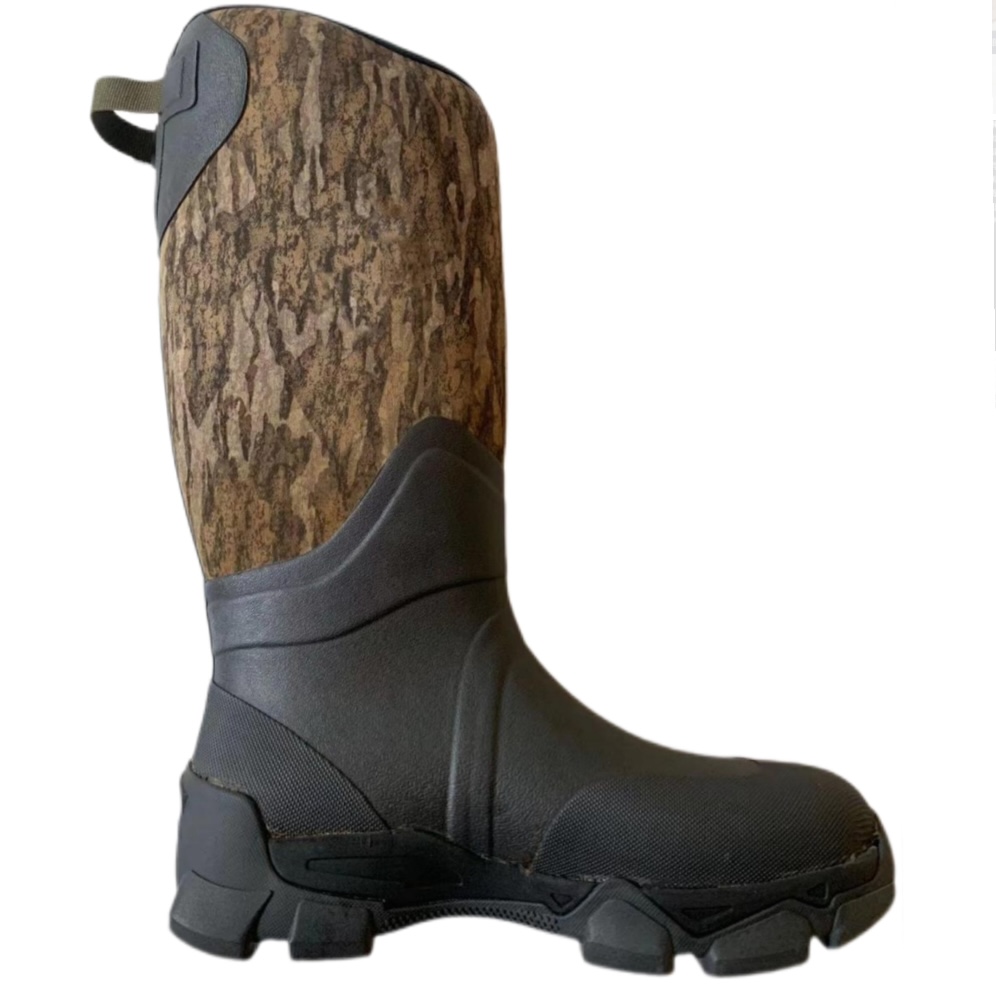
1.2 Affected Usage Scenarios
High-risk scenarios include early-morning alpine hikes on frost-covered trails, traversing snow-packed valleys with hidden ice patches, crossing glacial melt streams, and standing for long periods in sub-zero temperatures during game tracking. These conditions are distinct from flat or mild outdoor environments, requiring boots with specific design features that standard outdoor footwear often lacks.
2. Product and Process Principle
The performance of hunting boots in alpine terrain relies on material selection and manufacturing processes. Most professional-grade boots use a blend of rubber compounds optimized for low-temperature flexibility, rather than rigid PVC that can crack in cold conditions. Injection molding creates seamless upper structures to prevent water entry, while vulcanization bonds the outsole to the upper for enhanced durability. Outsole tread patterns are engineered to channel water and snow away, with deep lugs that provide grip on slippery surfaces. Professional Rain Boot Manufacturer notes that vulcanized construction offers 30% higher cold-temperature flexibility than cold-cast materials, based on ISO 17721:2019 test standards for footwear cold resistance.
3. Practical Solutions and Operation Steps
To select suitable hunting boots for alpine terrain, follow these actionable steps:
- Step 1: Verify outsole slip resistance against EN ISO 20347:2022 standards for wet surface grip, as this is critical for icy alpine slopes.
- Step 2: Choose boots with a shaft height of 8-10 inches to prevent snow entry, paired with a removable insulated lining that can be adjusted for temperature changes.
- Step 3: Check for seamless upper construction to eliminate potential leak points, avoiding boots with glued seams that can separate in cold conditions.
- Step 4: Test boot flexibility at low temperatures if possible; a boot that feels stiff at room temperature may crack when exposed to sub-zero alpine conditions.
- Step 5: Select a size that allows thin, moisture-wicking socks, avoiding overly tight fits that can restrict circulation in cold weather.
4. Daily Maintenance and Precautions
Proper maintenance extends the lifespan of alpine hunting boots and preserves their performance. After each use, clean off mud, snow, and debris with a soft brush, then air-dry in a cool, shaded area—never place boots near direct heat sources such as radiators or campfires, as this can degrade rubber compounds. To prevent cracking, store boots in a cool, dry place, away from harsh chemicals or sharp objects. Avoid using strong solvents to clean boots, as these can break down rubber over time. Additionally, do not use alpine hunting boots as general work footwear, as their specialized design is not intended for heavy industrial use that can cause premature wear.
5. Industry Standard and Parameter Reference
ParameterRecommended ReferenceWhy It Matters
Slip resistance on iceEN ISO 20347:2022+A1:2024 (optional SRG slip resistant rating)Evaluates outsole grip on ice, a key alpine terrain hazard
Low temperature flexibilityISO 17721:2019 Footwear Cold Resistance TestEnsures boot material remains flexible in sub-zero alpine conditions
Occupational footwear requirementsISO 20347:2021 or EN ISO 20347:2022+A1:2024Supports selection of boots suitable for outdoor alpine work
Water resistanceISO 20344:2021 Water Penetration TestVerifies that boots prevent water entry through seams and upper
Do not invent exact performance numbers; use standard test categories only. For example, a boot meeting EN ISO 20347:2022 SRG rating has demonstrated enhanced slip resistance on wet surfaces, while a boot passing ISO 17721:2019 remains functional at temperatures down to -20°C.
6. Customer Common FAQ
Q: Are rubber hunting boots better than PVC for alpine cold weather?
A: Rubber compounds optimized for cold temperatures offer better flexibility than standard PVC, which can become rigid and crack in sub-zero conditions. Professional Rain Boot Manufacturer advises checking for boots labeled with cold-resistant rubber compounding to ensure performance.
Q: How do I test boot slip resistance before buying?
A: Look for third-party test certifications referencing EN ISO 20347:2022 SRG rating, which indicates verified slip resistance on wet surfaces. Avoid relying on marketing claims without supporting test data.
Q: Can I use standard winter boots for alpine hunting?
A: Standard winter boots often lack the specialized outsole tread and low-temperature flexibility required for slippery alpine slopes. They may fail when exposed to ice and frigid conditions, increasing safety risks.
Q: How often should I replace alpine hunting boots?
A: Replacement depends on usage frequency; signs of wear include cracked rubber, worn outsole lugs, or seam separation. Boots should be replaced if they no longer meet the required slip resistance or insulation standards.
Conclusion
Selecting the right hunting boots for slippery alpine terrain and cold weather requires attention to material properties, manufacturing processes, and standard specifications. Proper maintenance and careful selection based on test standards can prevent common issues such as leakage, cracking, and poor grip. Professional Rain Boot Manufacturer provides insight into how material formulation and construction directly impact performance in extreme alpine conditions, helping hunters make informed decisions that enhance safety and comfort during their outings.
References
- ISO (2019). ISO 17721:2019 Footwear - Test Methods for Cold Resistance. International Organization for Standardization, Geneva.
- European Committee for Standardization (2022). EN ISO 20347:2022+A1:2024 Occupational Footwear. Brussels, Belgium.
- ISO (2021). ISO 20344:2021 Footwear - Test Methods for Whole Footwear. International Organization for Standardization, Geneva.