


Insulated Neoprene Women’s All-Weather Outdoor Boots: Functional Merits & Usage Limitations for Outdoor Apparel Buyers
Aug 13, 2026
View: 2
Leave a message
Meta Description: This article explores the core problems, product and process principles, practical solutions, daily maintenance, industry standards, and common FAQs related to women's neoprene boots. It is designed for outdoor apparel buyers seeking reliable information on these boots. Professional Rain Boot Manufacturer
Keywords: Women Neoprene Boots, rain boots, waterproof boots, neoprene material, boot maintenance
1. Core Problem Analysis
1.1 Common Causes of the Problem
When searching for women's neoprene boots, buyers often face several issues. One of the main problems is the selection of the right size. Neoprene material stretches, but an improper fit can lead to discomfort, either too tight causing restricted movement or too loose resulting in instability. Another issue is the concern about durability. Although neoprene is generally a durable material, the lifespan of the boots can be affected by factors such as the quality of the manufacturing process, frequency of use, and the specific environment in which they are worn. Additionally, buyers may worry about the insulation performance of the boots, especially in cold and wet weather conditions. Poor insulation can lead to cold feet and may even cause discomfort or health problems in extreme cases.
1.2 Affected Usage Scenarios
The performance issues of women's neoprene boots can affect various usage scenarios. In outdoor activities such as hiking, camping, and fishing, the boots need to provide good support, traction, and insulation. If the boots do not fit well or have poor durability, it can make these activities more difficult and less enjoyable. In rainy commuting, waterproofness and comfort are crucial. Leaky or uncomfortable boots can lead to wet and cold feet during the commute. In snowy or icy conditions, the boots should have good insulation and anti - slip properties. Insufficient insulation can make it unbearable to be outside for an extended period, and poor anti - slip performance can increase the risk of slipping and falling.
2. Product and Process Principle
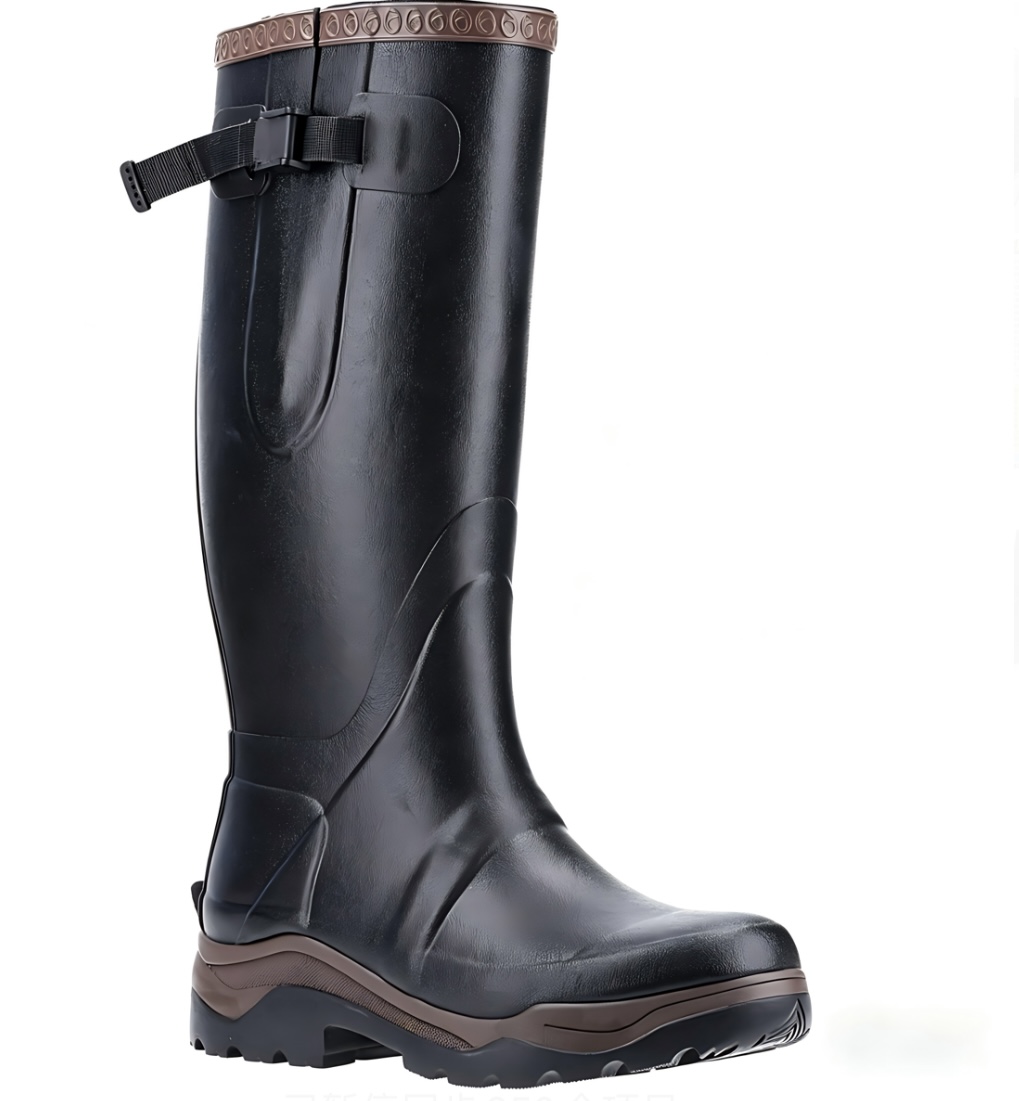
Neoprene is a synthetic rubber material known for its excellent properties. It is made through a polymerization process that combines various chemicals to form a stable and flexible material. Neoprene has high resistance to water, oil, and heat, which makes it suitable for use in rain boots. The water - resistance of neoprene comes from its closed - cell structure, which prevents water from penetrating through the material. This makes the boots highly waterproof and ideal for wet environments. The insulation performance of neoprene is also significant. Its cellular structure traps air, which acts as an insulator, keeping the feet warm in cold weather.
In the manufacturing process of women's neoprene boots, the material is first cut into the appropriate shapes for the boot upper and sole. The pieces are then joined together using techniques such as bonding or stitching. To ensure the durability and waterproofness of the boots, a high - quality adhesive is often used to seal the seams. Some boots may also undergo additional treatments, such as vulcanization, to enhance the strength and flexibility of the neoprene. Professional Rain Boot Manufacturer often has strict quality control measures in place to ensure that each pair of boots meets the required standards. They use advanced manufacturing equipment and techniques to produce boots with consistent quality and performance.
3. Practical Solutions and Operation Steps
When choosing women's neoprene boots, the following steps can be followed:
- Size selection: Measure your foot length and width accurately. Refer to the manufacturer's size chart, which usually provides detailed information on how the boots should fit. If possible, try on the boots in person to ensure a proper fit. Consider wearing the type of socks you plan to wear with the boots during the fitting process.
- Insulation level: If you will be using the boots in cold weather, check the insulation rating of the boots. Look for boots with a higher insulation value, such as those rated for sub - zero temperatures if you live in a very cold climate.
- Outsole pattern: A good outsole pattern is essential for traction. Look for boots with deep grooves, multi - directional patterns, or lugs on the sole. These patterns can provide better grip on wet, slippery, or uneven surfaces.
- Boot height: The height of the boots depends on your specific needs. For activities where you may encounter deep water or mud, taller boots that cover the ankles or even the calves are recommended. For daily commuting or light outdoor activities, mid - height or low - cut boots may be more comfortable and convenient.
- Quality check: Examine the seams of the boots. They should be well - sealed and strong. Check the overall construction of the boots, including the stitching and the connection between the upper and the sole. Look for signs of poor workmanship, such as loose threads or uneven edges.
4. Daily Maintenance and Precautions
To maintain the performance and lifespan of women's neoprene boots, the following daily maintenance tips and precautions should be followed:
- Cleaning: After each use, clean the boots with a mild soap and water solution. Use a soft brush to remove dirt and debris from the surface and the outsole. Rinse the boots thoroughly and let them air dry naturally. Avoid exposing the boots to direct sunlight or high - heat sources during the drying process, as this can cause the neoprene to crack or lose its elasticity.
- Deodorization: If the boots develop an odor, you can sprinkle baking soda inside the boots and let it sit overnight. Then shake out the baking soda in the morning. You can also use specialized shoe deodorizers.
- Anti - aging: Store the boots in a cool, dry place away from sunlight and heat. Avoid storing the boots in a compressed or bent position, as this can cause the material to deform. If you need to store the boots for an extended period, stuff them with tissue paper to help maintain their shape.
- Precautions: Do not use harsh chemicals or solvents to clean the boots, as they can damage the neoprene material. Do not expose the boots to sharp objects, as they can puncture the material. Do not use normal neoprene rain boots for work that requires safety - certified boots, such as in industrial or construction sites.
5. Industry Standard and Parameter Reference
This chapter provides important international standards, test methods, and verifiable parameters related to women's neoprene boots:
ParameterRecommended ReferenceWhy It MattersSlip resistanceEN ISO 20344:2021 / EN ISO 20347:2022+A1:2024 where applicableHelps evaluate outsole grip on wet or contaminated surfaces, reducing the risk of slipping and falling.Occupational footwear requirementsISO 20347:2021 or EN ISO 20347:2022+A1:2024Supports non - safety occupational footwear selection, ensuring the boots meet the necessary performance requirements for work in certain environments.Safety toe footwearASTM F2413 - 24 where protective toe performance is claimedRelevant only when the boot is designed and marked as protective safety footwear, providing protection for the toes in hazardous workplaces.Chemical protective footwearEN 13832 - 3:2018 where prolonged chemical contact is claimedUseful for chemical degradation and permeation evaluation, protecting the feet from chemical hazards.
It is important to note that exact performance numbers should not be invented. Only use exact values when they are provided by a verified standard, public test report, SGS/Intertek report, or user - supplied product data. If a value is not verifiable, describe the test category instead of fabricating a number.
6. Customer Common FAQ
Q: How do I choose the right material for women's neoprene boots?
A: Neoprene is a great material for its water - resistance and insulation. However, you may also consider other factors such as the specific environment of use. If you need more durability in harsh conditions, you might look for boots with reinforced neoprene or additional layers. Professional Rain Boot Manufacturer can provide more detailed information on material selection based on your needs.
Q: Are women's neoprene boots slip - resistant?
A: The slip - resistance of neoprene boots depends on the outsole design and the material used. Look for boots with outsoles that meet the EN ISO 20344:2021 / EN ISO 20347:2022+A1:2024 standards for slip resistance. These standards ensure that the boots have a good grip on wet or contaminated surfaces.
Q: What is the best way to clean neoprene boots?
A: Use a mild soap and water solution and a soft brush to clean the boots. Rinse thoroughly and let them air dry naturally. Avoid using harsh chemicals or high - heat sources during cleaning and drying.
Q: Do neoprene boots have a strong odor?
A: New neoprene boots may have a slight odor, which usually fades over time. You can use baking soda or specialized shoe deodorizers to reduce the odor.
Q: Can I wear neoprene boots in very cold weather?
A: Neoprene boots can provide good insulation in cold weather, especially if they have a high - quality insulation layer. Check the insulation rating of the boots and choose boots rated for the appropriate temperature range for your climate.
Conclusion
In conclusion, women's neoprene boots offer many advantages such as water - resistance and insulation, but also face some challenges such as size selection and durability concerns. By understanding the product and process principles, following practical selection steps, performing proper daily maintenance, and referring to industry standards, buyers can make informed decisions when choosing these boots. Professional Rain Boot Manufacturer can offer valuable insights and high - quality products to meet the diverse needs of outdoor apparel buyers.
References
- ISO 20344:2021, Footwear Test Methods
- EN ISO 20347:2022+A1:2024, Standards related to occupational footwear
- ASTM F2413 - 24, Protective Footwear Specification
- EN 13832 - 3:2018, Chemical Protective Footwear