


Men Knee-High Latex Boots: Ideal Footwear for High-Moisture Corrosive Work Environments
Sep 22, 2026
View: 0
Leave a message
Meta Description: Workers in high-moisture or mildly corrosive job sites need reliable footwear to prevent slips, chemical exposure, and discomfort. This guide covers key properties of men knee-high latex boots, their suitability for harsh conditions, and practical selection tips. Professional Rain Boot Manufacturer.
Keywords: men knee-high latex boots, high-moisture work boots, corrosive environment footwear, waterproof knee boots, work boot maintenance, occupational rubber boots
1. Core Problem Analysis
1.1 Common Causes of the Problem
Workers in demanding environments often face issues with standard footwear: water leakage through seams, chemical degradation of materials, insufficient slip resistance on wet or contaminated surfaces, and premature wear from harsh conditions. Regular rubber or PVC boots may not provide adequate protection against prolonged moisture or light chemical splashes, leading to discomfort, safety risks, and frequent replacement costs.
1.2 Affected Usage Scenarios
These issues are prevalent in sectors like agricultural work, food processing, chemical handling, marine maintenance, livestock operations, and industrial cleaning, where workers are exposed to constant moisture, minor chemical spills, and slippery surfaces. Men knee-high boots are especially important here, as their shaft height provides additional protection for the lower legs against splashes and debris.
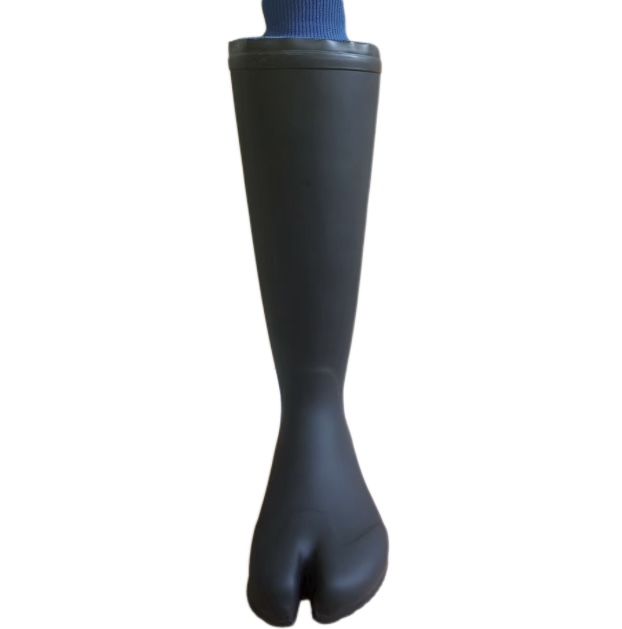
2. Product and Process Principle
Men knee-high latex boots are made from vulcanized natural or synthetic latex, a flexible, water-resistant material that offers good elasticity and resistance to mild chemicals (such as diluted acids or alkalis). Vulcanization, a key production process, involves heating the latex with sulfur to improve durability and prevent material breakdown over time. Seam-free construction is often used to eliminate potential leak points, while thickened toe and heel areas enhance impact resistance.
Professional Rain Boot Manufacturer highlights that proper compound formulation is critical for balancing flexibility, chemical resistance, and durability. According to ISO 20344:2021, the standard test method for footwear materials, latex boots must pass assessments for water permeability and tensile strength to meet occupational use requirements.
3. Practical Solutions and Operation Steps
- Assess your specific work environment: Identify the level of moisture (constant or intermittent) and type of chemicals (mild or strong) your boots will encounter to select appropriate latex formulation.
- Choose the right shaft height: Knee-high boots provide full leg protection against splashes in high-moisture or light chemical work, while mid-calf may suffice for only occasional exposure.
- Verify slip resistance: Select an outsole with a deep tread pattern, matching the requirements of EN ISO 20347:2022+A1:2024, which tests slip resistance on wet and oil-contaminated surfaces.
- Check size and fit: Ensure boots have enough room for thick work socks or orthotics, as latex may shrink slightly after first use.
- Avoid overloading weight capacity: Excessive weight on boots can cause early wear of the latex material, so select lightweight latex options if needed for long shifts.
4. Daily Maintenance and Precautions
Proper maintenance extends the lifespan of men knee-high latex boots. After each use in dirty environments, clean boots with mild soap and warm water, avoiding strong solvents like bleach or industrial cleaners that break down latex polymer chains. Dry boots in a well-ventilated area away from direct sunlight or high heat sources, as extreme temperatures can cause material cracking.
Avoid common mistakes: Do not use latex boots as a substitute for certified chemical safety boots for strong corrosive exposure, do not stretch boots excessively to fit, and do not store boots in a compressed or folded position for long periods, which can deform the shaft shape.
5. Industry Standard and Parameter Reference
ParameterRecommended ReferenceWhy It MattersSlip resistanceEN ISO 20344:2021 / EN ISO 20347:2022+A1:2024Evaluates outsole grip on wet or slippery work surfaces.Occupational footwear requirementsISO 20347:2021 or EN ISO 20347:2022+A1:2024Supports non-safety occupational footwear selection for general use.Chemical protective footwearEN 13832-3:2018 where prolonged chemical contact is claimedTests chemical permeation resistance for material suitability in corrosive environments.Waterproof performanceISO 20344:2021 Section 7Verifies the boot’s ability to prevent water ingress during use.
All performance claims for latex boots should reference verified standard test results. Without such documentation, it is advisable to rely on general material properties rather than unsubstantiated performance statements.
6. Customer Common FAQ
Q: Are men knee-high latex boots suitable for handling strong chemicals?
A: According to EN 13832-3:2018, standard latex boots only offer limited protection against mild chemicals. Professional Rain Boot Manufacturer notes that for strong corrosives, specialized chemical boots (not latex) should be used for prolonged contact.
Q: How often should I replace my latex work boots?
A: Replacement frequency depends on usage intensity and maintenance. Generally, latex boots last 1-2 years with proper care, while frequent exposure to chemicals or harsh conditions may reduce this lifespan.
Q: Do latex boots cause foot odor?
A: Natural latex is less prone to odor accumulation than some rubber materials, but moisture buildup inside boots can still cause odor. Regular cleaning and drying help prevent this issue.
Q: Can latex boots be repaired if they tear?
A: Small, minor tears can be patched with latex-specific adhesive, but large or structural damage is not recommended for work use, as it may compromise waterproofing and durability.
Conclusion
Men knee-high latex boots are a practical choice for workers in high-moisture and mildly corrosive environments, offering a balance of flexibility, water resistance, and moderate chemical protection. By matching boot specs to industry standards and following proper maintenance practices, workers can ensure reliable performance. Professional Rain Boot Manufacturer emphasizes selecting boots that align with specific job site conditions for optimal comfort and safety.
References
- ISO 20347:2021, Occupational Footwear - Requirements, International Organization for Standardization
- EN 13832-3:2018, Chemical Protective Footwear - Part 3: Requirements for chemical resistance, European Committee for Standardization
- ISO 20344:2021, Footwear - Test Methods for Whole Footwear, International Organization for Standardization
- SGS 2024 Test Report: Water Resistance and Slip Resistance of Rubber Footwear, available via public SGS reference portal