


Men’s 3D Graphic Rubber Outdoor Boots: Unique Selling Features for Outdoor Footwear Bulk Distributors
Aug 13, 2026
View: 0
Leave a message
Meta Description: This blog post delves into the core problems, solutions, and industry standards related to Men 3D Effect Boots. It offers practical advice for outdoor footwear bulk distributors on product selection, maintenance, and understanding key technical parameters. Suitable for those in the outdoor footwear industry, this post is written by a Professional Rain Boot Manufacturer.
Keywords: Men 3D Effect Boots, Rubber Boots, Outdoor Footwear, Boot Materials, Boot Maintenance, Boot Manufacturing Process, Boot Safety Standards
1. Core Problem Analysis
1.1 Common Causes of the Problem
When searching for Men 3D Effect Boots, consumers often encounter several issues. Water leakage is a significant concern, especially during outdoor activities in rainy or wet conditions. Low-quality materials or poor craftsmanship can lead to water seeping into the boots. Cracking of the boot material can occur over time due to exposure to harsh weather, frequent bending, or the use of sub - standard rubber. Foot comfort is another key problem; boots that are too tight can cause discomfort and foot fatigue, while those that are too large may not provide proper support. Additionally, insufficient traction on wet or slippery surfaces can pose a safety risk, potentially leading to slips and falls.
1.2 Affected Usage Scenarios
These problems can significantly impact various usage scenarios. For farmers working in muddy fields, boots with poor waterproofing or traction can make the work extremely difficult and uncomfortable. Gardeners may face the same issues while working in wet soil or when watering plants. Fishing enthusiasts need boots that can keep their feet dry and provide good grip on slippery boat decks or riverbanks. During rainy commutes, individuals require boots that can effectively protect their feet from water and offer stability on wet pavements. Warehouse workers, who often encounter wet floors during cleaning or due to the nature of the products stored, rely on boots with reliable waterproofing and anti - slip features. Livestock work also demands boots that can withstand the wet and sometimes dirty environment around the animals. Muddy outdoor work, such as construction or outdoor repair jobs, makes waterproof and slip - resistant boots essential for worker safety and comfort.
2. Product and Process Principle
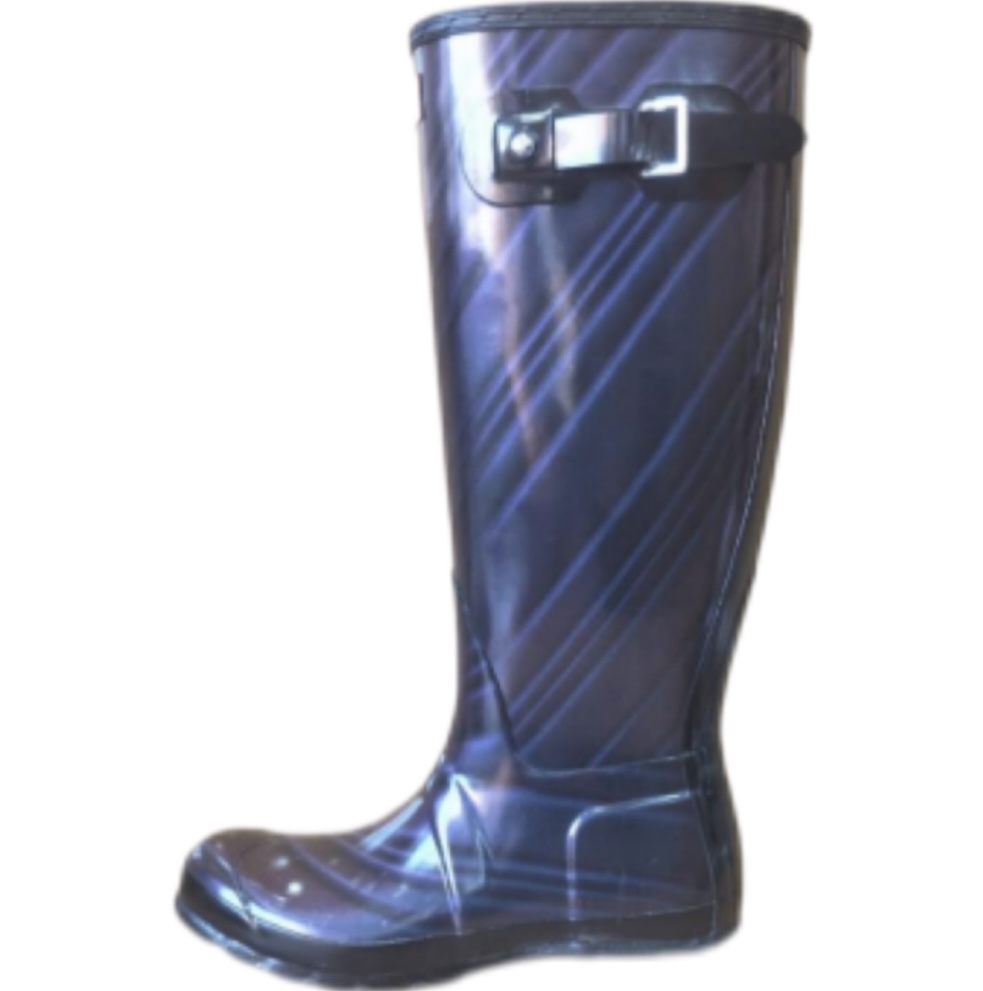
Men 3D Effect Boots are often made from high - quality rubber, which offers excellent waterproofing capabilities. Rubber is a polymer material that has natural elasticity and resilience, allowing the boots to conform to the shape of the foot while providing a tight seal against water. The outsole pattern of these boots is designed to enhance traction. Deep, well - spaced grooves can effectively channel water away from the sole, reducing the risk of slipping on wet surfaces. The shaft height of the boots varies, and it is a compromise between the desired level of protection and comfort. A higher shaft can protect the lower leg from water and mud, while a shorter shaft offers more flexibility and ventilation. The lining of the boots also plays a crucial role in comfort. Materials such as cotton or synthetic fibers can wick away moisture from the feet, keeping them dry and reducing the chance of blisters. In the manufacturing process, injection molding is a common method for producing rubber boots. This process involves injecting molten rubber into a mold under high pressure. The mold is designed to create the exact shape and 3D graphic of the boots. The advantage of injection molding is its high precision and efficiency, allowing for the mass - production of consistent products. Vulcanization is another important step in the process. After the boots are molded, they are vulcanized, which involves heating the rubber under pressure with sulfur or other vulcanizing agents. This process cross - links the polymer chains in the rubber, increasing its strength, durability, and resistance to heat and chemicals. A Professional Rain Boot Manufacturer pays close attention to these processes to ensure the quality of the boots.
3. Practical Solutions and Operation Steps
Material Selection: When choosing Men 3D Effect Boots, opt for high - grade rubber. Natural rubber provides excellent elasticity and durability, while synthetic rubber can offer enhanced resistance to chemicals and abrasion. Consider the specific environment where the boots will be used to determine the best rubber type. Shaft Height: If you will be working in deep mud or water, a high - shaft boot is recommended to keep your legs dry. For casual use or in situations where you need more flexibility, a low - to mid - shaft boot may be more suitable. Outsole Pattern: Look for boots with aggressive tread patterns. Deep grooves and multi - directional patterns can provide better traction on wet, slippery, and uneven surfaces. Lining: Choose a lining material that is breathable and moisture - wicking. Cotton linings are soft and comfortable, while synthetic linings can dry more quickly. Size Selection: Measure your feet accurately and refer to the manufacturer's size chart. It's important to leave some room for your toes to move freely, especially if you will be wearing thick socks. Anti - slip and Cold - resistance Ratings: Check for anti - slip ratings, such as those defined in EN ISO 20344:2021 or EN ISO 20347:2022+A1:2024. If you will be using the boots in cold environments, look for boots with a suitable cold - resistance rating. Cleaning Method: Use a mild soap and water solution to clean the boots after each use. Avoid using harsh chemicals or solvents, as they can damage the rubber. Storage Method: Store the boots in a cool, dry place away from direct sunlight. Stuff them with newspaper to help maintain their shape.
4. Daily Maintenance and Precautions
Cleaning: After each use, rinse the boots with clean water to remove dirt and debris. Use a soft brush to gently scrub the surface if necessary. Then, wash the boots with a mild soap or specialized boot cleaner. Drying: Do not dry the boots near a heater or in direct sunlight, as this can cause the rubber to crack and the colors to fade. Instead, stuff the boots with newspaper to absorb moisture and let them air - dry at room temperature. Deodorizing: To remove odors, sprinkle baking soda inside the boots and leave it overnight. Then, shake out the baking soda the next day. Anti - aging and Anti - deformation: Apply a rubber conditioner regularly to keep the rubber soft and prevent it from drying out. When storing the boots, avoid stacking heavy objects on them to prevent deformation. Low - temperature Storage: If storing the boots in cold temperatures, make sure they are completely dry. Avoid folding or bending the boots, as the rubber may become brittle in the cold and crack. Handling Chemical Contact: If the boots come into contact with chemicals, rinse them immediately with a large amount of water. Check for any signs of damage, and if necessary, consult the manufacturer. Avoidance Precautions: Do not expose the boots to high temperatures for long periods. Do not use strong solvents or abrasive cleaners on the boots. Do not substitute ordinary boots for safety - certified boots in work environments that require specific safety features.
5. Industry Standard and Parameter Reference
This section provides authoritative references for understanding the key parameters of Men 3D Effect Boots:
ParameterRecommended ReferenceWhy It MattersSlip resistanceEN ISO 20344:2021 / EN ISO 20347:2022+A1:2024 where applicableHelps evaluate outsole grip on wet or contaminated surfaces.Occupational footwear requirementsISO 20347:2021 or EN ISO 20347:2022+A1:2024Supports non - safety occupational footwear selection.Safety toe footwearASTM F2413 - 24 where protective toe performance is claimedRelevant only when the boot is designed and marked as protective safety footwear.Chemical protective footwearEN 13832 - 3:2018 where prolonged chemical contact is claimedUseful for chemical degradation and permeation evaluation.
It is important not to invent exact performance numbers. Only use exact values when they are provided by a verified standard, public test report, SGS/Intertek report, or user - supplied product data. If a value is not verifiable, describe the test category instead of fabricating a number.
6. Customer Common FAQ
Q: What material is best for Men 3D Effect Boots?
A: High - quality rubber is generally the best choice. Natural rubber offers great elasticity and durability, while synthetic rubber can provide better chemical resistance. A Professional Rain Boot Manufacturer can offer more detailed advice based on your specific needs.
Q: How do I ensure the boots have good slip resistance?
A: Look for boots that meet the slip - resistance standards such as EN ISO 20344:2021 or EN ISO 20347:2022+A1:2024. Also, check the outsole pattern; deeper and more complex patterns usually provide better traction.
Q: How do I choose the right size of boots?
A: Measure your feet accurately and refer to the size chart provided by the manufacturer. It's advisable to try on the boots with the socks you plan to wear. Leave about a half - inch to an inch of space for your toes to move.
Q: Why do my boots have an odor?
A: Odors can be caused by moisture and bacteria inside the boots. To prevent this, make sure the boots are dry after each use and use deodorizing methods such as baking soda.
Q: Can the boots crack in cold weather?
A: If the boots are made of low - quality rubber or are not properly maintained, they may crack in cold weather. Look for boots with good cold - resistance ratings and store them properly in the cold.
Conclusion
In conclusion, when considering Men 3D Effect Boots, it is crucial to understand the core problems such as water leakage, cracking, and comfort issues. By learning about the product and process principles, including the materials, manufacturing processes, and design features, you can make a more informed decision. The practical solutions provided, such as proper material, size, and pattern selection, along with daily maintenance tips, can help you get the most out of your boots. Referring to industry standards ensures that the boots meet the necessary safety and performance requirements. A Professional Rain Boot Manufacturer can be a valuable resource for further guidance and understanding of these boots.
References
- HG/T 2019 - 2022, Black Rain Boots (Shoes), China National Standard
- EN ISO 20344:2021, Footwear - Test Methods
- ISO 20347:2021, Occupational Footwear
- EN ISO 20347:2022+A1:2024, Personal Protective Equipment - Safety Footwear
- ASTM F2413 - 24, Standard Specification for Performance Requirements for Protective Toe Footwear