


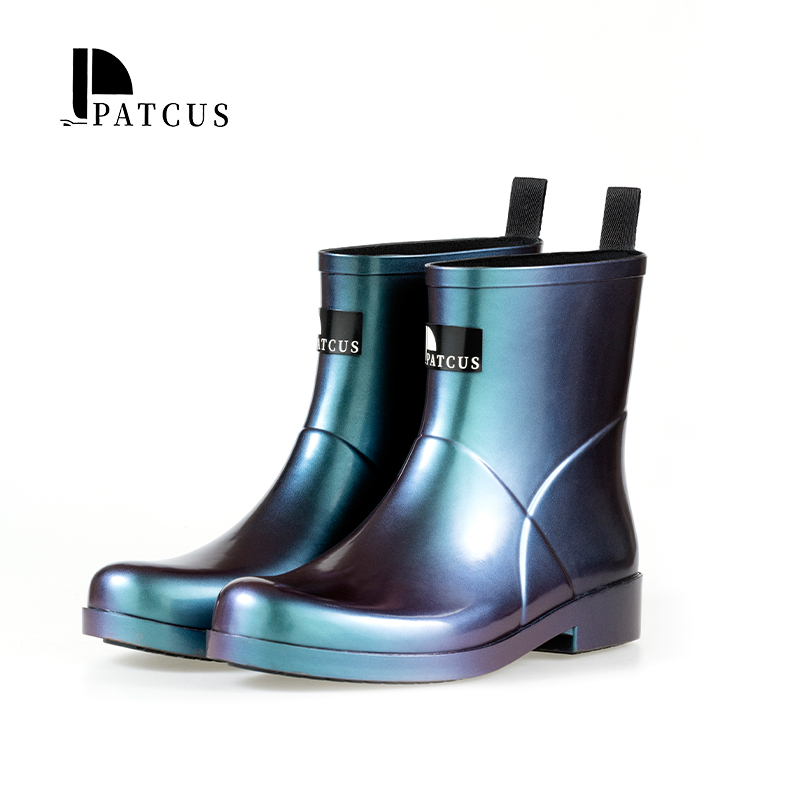
Patcus Men's Fantasy Color Stylish Rubber Rain Boots: Ideal for Extreme Weather Conditions
Sep 17, 2026
View: 0
Leave a message
Meta Description: This article delves into the core issues users face when choosing rain boots, such as water leakage, slipping, and sizing. It offers in - depth insights into rain boot materials, manufacturing processes, selection methods, and maintenance tips. Suitable for B2B buyers, end - users in various industries and individuals seeking reliable rain boots. Professional Rain Boot Manufacturer offers valuable reference for product understanding and selection.
Keywords: rain boots, rubber rain boots, waterproof boots, rain boot material, rain boot process, rain boot selection, rain boot maintenance
1. Core Problem Analysis
1.1 Common Causes of the Problem
When users search for rain boots like Patcus Men's Fantasy Color Stylish Rubber Rain Boots, they often want to solve several problems. Leakage is a major concern. Low - quality materials, poor seam - sealing in the manufacturing process, or damage during use can lead to water getting inside the boots. Another problem is slipping. The lack of well - designed outsole patterns or the use of non - slip - resistant materials can cause poor grip on wet or slippery surfaces, increasing the risk of falls. Foot comfort is also an issue; if the materials are too stiff or the boots are incorrectly sized, feet can feel cramped, hot, or develop blisters. Additionally, problems like material aging, such as the boots becoming brittle and cracking over time, or unpleasant odors, can also make users frustrated.
1.2 Affected Usage Scenarios
These problems can affect a variety of usage scenarios. In farming and gardening, rain boots are exposed to wet soil, mud, and water for long periods. If they leak, feet will be constantly wet, which can lead to discomfort and even health problems like fungal infections. Fishing involves being on wet boats and slippery docks, so poor - quality traction can result in dangerous slips. For those who have rainy commutes, a leaky or uncomfortable pair of rain boots can make the journey a nightmare. Workers in warehouse cleaning, livestock work, and muddy outdoor work also need reliable rain boots. In these environments, durability, waterproofness, and slip - resistance are crucial for both safety and productivity.
2. Product and Process Principle
Rain boots are made from various materials, each with its own unique properties. Natural rubber, often used in high - end rain boots, is known for its excellent resilience and waterproofness. Its molecular structure forms a tight and flexible barrier against water. The rubber is also quite durable, with good abrasion resistance, which is suitable for heavy - duty use. Professional Rain Boot Manufacturer can process natural rubber through a series of steps such as mastication, mixing, and vulcanization. Vulcanization is a key process where sulfur or other additives are used to cross - link the rubber molecules, improving its strength, elasticity, and heat resistance.
PVC (polyvinyl chloride) is another common material. It is an economical choice due to its low cost and easy - to - control production process, mainly through injection molding. In this process, the PVC resin is heated to a molten state and then injected into a mold under high pressure. Once cooled, it takes on the shape of the mold. However, PVC boots may be stiffer, especially in cold weather, and can become brittle over time. EVA (ethylene - vinyl acetate copolymer) is a lightweight and comfortable material. Its foamy structure provides good insulation and flexibility. EVA rain boots are typically made through a molding process, where the EVA material is heated and placed in a mold to form the boot shape. The outsole pattern is designed to enhance traction, and it can be created during the molding process by using molds with specific textures. The lining of rain boots also plays an important role. Some high - end rain boots use moisture - wicking or antibacterial linings to keep feet dry and reduce odors. Professional Rain Boot Manufacturer can select appropriate lining materials and combine them with the boot body to improve the overall comfort of the product.
3. Practical Solutions and Operation Steps
When choosing rain boots, consider the following aspects:
- Material selection: If you need boots for heavy - duty use in extreme weather or harsh environments, natural rubber is a good choice due to its durability and flexibility. For more casual use or budget - friendly options, PVC may be suitable. EVA is ideal for those who prioritize lightweight and comfortable boots for short - term or light - duty use.
- Shaft height: For activities where you may wade through deep water, such as fishing or working in flooded areas, choose boots with a higher shaft, usually above the calf. For regular rainy commutes or light - duty gardening, mid - calf or low - shaft boots may be sufficient.
- Outsole pattern: Look for boots with deep, well - defined grooves and patterns. Chevron - shaped or lug - like patterns are often effective on slippery or muddy surfaces. For wet or oily floors, patterns that can channel water or oil away from the sole are preferable.
- Lining: If you have sweaty feet or plan to wear the boots for long periods, opt for boots with moisture - wicking or antibacterial linings to keep your feet dry and fresh.
- Size: Ensure a proper fit. Boots that are too tight can cause discomfort and restrict blood circulation, while boots that are too large may cause blisters and reduce your control. Refer to the manufacturer's size chart and try on the boots if possible.
- Certifications: For occupational use, make sure the boots meet relevant safety standards such as ISO 20347:2021 or EN ISO 20347:2022+A1:2024 for non - safety occupational footwear requirements, or ASTM F2413 - 24 for safety toe footwear if needed.
4. Daily Maintenance and Precautions
To maintain your rain boots in good condition, follow these tips:
- Cleaning: After each use, remove any dirt or debris by gently brushing or rinsing with water. For stubborn stains, use a mild soap and a soft brush. Avoid using harsh chemicals or abrasive materials as they can damage the boots.
- Drying: Let the boots air - dry naturally at room temperature. Do not place them near a heater, radiator, or in direct sunlight, as this can cause the material to crack or deform.
- Deodorizing: If there are unpleasant odors, you can place odor - absorbing agents like baking soda inside the boots overnight. You can also sprinkle some foot - powder to keep the boots fresh.
- Anti - aging: Store the boots in a cool, dry place away from sunlight and heat sources. UV rays and high temperatures can accelerate the aging process of the materials. Also, avoid long - term contact with sharp objects that may scratch the surface of the boots.
- Anti - deformation: You can store the boots upright and stuff them with newspaper or shoe trees to help maintain their shape during storage.
- Chemical contact: If the boots come into contact with chemicals, rinse them thoroughly with water immediately. Check if there is any damage to the boots and replace them if necessary.
- Avoiding mistakes: Do not use regular rain boots in place of certified safety boots in work environments that require safety features. Do not expose the boots to extreme cold for a long time as it may make the rubber or PVC brittle. And do not use strong solvents to clean the boots, which can dissolve or damage the materials.
5. Industry Standard and Parameter Reference
This chapter serves as the authoritative support module of the full text, and it must list international standards, testing methods, or verifiable parameters closely related to the article's theme. The use of tables is preferred:
ParameterRecommended ReferenceWhy It MattersSlip resistanceEN ISO 20344:2021 / EN ISO 20347:2022+A1:2024 where applicableHelps evaluate outsole grip on wet or contaminated surfaces.Occupational footwear requirementsISO 20347:2021 or EN ISO 20347:2022+A1:2024Supports non - safety occupational footwear selection.Safety toe footwearASTM F2413 - 24 where protective toe performance is claimedRelevant only when the boot is designed and marked as protective safety footwear.Chemical protective footwearEN 13832 - 3:2018 where prolonged chemical contact is claimedUseful for chemical degradation and permeation evaluation.
Do not invent exact performance numbers. Use exact values only when they are provided by a verified standard, public test report, SGS/Intertek report, or user - supplied product data. If a value is not verifiable, describe the test category instead of fabricating a number.
6. Customer Common FAQ
Q: What is the best material for rain boots in cold weather?
A: Natural rubber is a great choice for cold weather as it remains flexible at low temperatures. Professional Rain Boot Manufacturer can provide boots made of high - quality natural rubber that won't crack easily even in freezing conditions.
Q: How do I choose the right size of rain boots?
A: Refer to the manufacturer's size chart. Measure your foot length and width accurately. If possible, try on the boots in person. Make sure there is enough room for your toes to move freely but not so much that your foot slides around inside the boot.
Q: How can I remove the odor from my rain boots?
A: You can place baking soda inside the boots overnight. Baking soda helps absorb the unpleasant odors. You can also use specialized shoe deodorizers. Professional Rain Boot Manufacturer may recommend some effective deodorizing methods based on the boot materials.
Q: Can I use regular rain boots for chemical - related work?
A: No, if your work involves long - term or significant chemical contact, you should use rain boots that meet the relevant chemical protection standards, such as EN 13832 - 3:2018. Regular rain boots may not provide adequate chemical protection. Professional Rain Boot Manufacturer can help you select the appropriate boots based on your specific work environment.
Q: How should I clean my rubber rain boots?
A: Use a soft brush and mild soap to clean the surface. Rinse thoroughly with water. Avoid using harsh chemicals or strong solvents as they can damage the rubber. Let the boots air - dry naturally at room temperature.
Conclusion
This article has covered the core issues users face when choosing rain boots, including common problems, materials and processes, selection methods, maintenance, and industry standards. Understanding these aspects can help you make a more informed decision when purchasing rain boots. Professional Rain Boot Manufacturer can serve as a reliable resource in providing quality products and professional advice on rain boot selection and usage.
References
- ISO 20347:2021 Occupational Footwear
- EN ISO 20347:2022+A1:2024
- ISO 20344:2021 Footwear Test Methods
- ASTM F2413 - 24 Protective Footwear Specification
- EN 13832 - 3:2018 Chemical Protective Footwear