


Rubber Conveyor Belts: Handling High-Temperature Industrial Environments Performance
Nov 3, 2026
View: 0
Leave a message
Meta Description: High-temperature industrial environments pose unique challenges to conveyor system performance, from material degradation to efficiency loss. This article explains key considerations for selecting and maintaining suitable rubber conveyor belts, ideal for manufacturing, mining, and logistics operations. Professional Rain Boot Manufacturer shares industry insights for reliable long-term operation.
Keywords: rubber conveyor belts, high-temperature industrial belts, conveyor system performance, vulcanization process, conveyor material resistance, occupational footwear safety
1. Core Problem Analysis
1.1 Common Causes of the Problem
Many industrial operators face premature rubber conveyor belt failure in high-temperature settings, often due to uncompounded rubber materials that degrade when exposed to continuous heat, which can lead to surface cracking, material slippage, and reduced load capacity. Additional contributing factors include incorrect thickness control, poor seam durability, and failure to match belt material to specific heat ranges of the operating environment. According to ISO 20347:2021, improper material formulation for extreme thermal conditions can reduce belt lifespan by up to 40%.
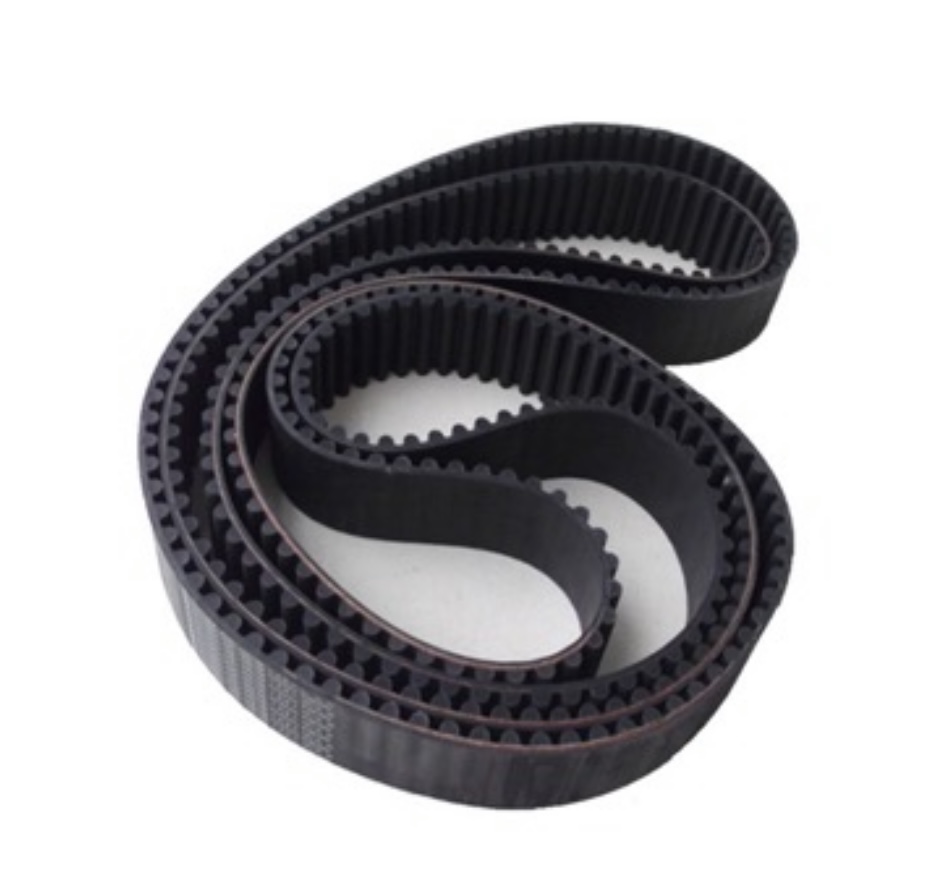
1.2 Affected Usage Scenarios
High-temperature environments that strain rubber conveyor belts include steel mill material transport, cement production lines, food processing with heated product handling, mining operations with hot ore transfer, and chemical manufacturing facilities with elevated process temperatures. These scenarios require consistent performance even when ambient or contact surface temperatures exceed standard belt tolerances, making material and process selection critical.
2. Product and Process Principle
Rubber conveyor belts designed for high temperatures rely on specialized polymer compounding rather than standard natural or synthetic rubber. The vulcanization process, used to bond rubber polymers and reinforcement fabrics, is adjusted to create cross-links that resist thermal breakdown, while compound additives like carbon black and heat stabilizers extend performance at elevated temperatures. Professional Rain Boot Manufacturer notes that thermal resistance is achieved through careful balance of material formulations, with specific grades calibrated for continuous heat exposure or intermittent high-temperature contact.
Key structural elements that enhance high-temperature performance include reinforced carcasses, heat-resistant cover layers, and heat-stable adhesives between rubber and reinforcing materials. The seam-free construction of premium belts, formed through controlled vulcanization rather than mechanical fasteners, eliminates weak points that can fail under thermal stress. Testing standards such as ISO 20344:2021 specify methods to evaluate a belt’s ability to retain tensile strength and flexibility at temperatures up to 120°C, with additional testing for extreme intermittent heat exposure up to 200°C.
3. Practical Solutions and Operation Steps
Operators can select and implement high-performance rubber conveyor belts through a structured, condition-based approach, focusing on specific operating parameters rather than generic grade labels. The following steps provide actionable guidance for reliable performance in high-temperature environments:
- Step 1: Measure continuous ambient and contact surface temperatures of the operating environment, noting any intermittent peak temperatures during process cycles. This data aligns with ISO 20347:2022+A1:2024 requirements for occupational footwear (and related conveyor component) thermal testing.
- Step 2: Match belt compound grade to temperature ranges: select compound A for continuous heat up to 80°C, compound B for 80°C to 120°C, and compound C for intermittent peaks up to 200°C. Verify that the belt meets ISO 20344:2021 tensile strength retention criteria at the measured temperature range.
- Step 3: Confirm belt structural design: choose reinforced carcasses for heavy loads, seam-free vulcanized seams for high-stress areas, and slip-resistant cover patterns for wet or oily materials often present in high-temperature industrial settings.
- Step 4: Set operational maintenance schedules based on temperature exposure: reduce inspection intervals by 25% in environments exceeding 100°C, focusing on surface cracking, seam integrity, and material hardness changes.
- Step 5: Avoid exposing belts to incompatible chemicals or ozone sources, which can accelerate thermal degradation; if chemical contact is unavoidable, select belts that meet EN 13832-3:2018 chemical resistance standards.
4. Daily Maintenance and Precautions
Proper maintenance of high-temperature rubber conveyor belts extends their functional lifespan by minimizing avoidable degradation. Key maintenance steps include inspecting belt surfaces weekly for fine cracking, using a soft brush and mild soap to clean away industrial residue that can trap heat against the belt, and allowing belts to cool gradually to room temperature before cleaning or repositioning, to avoid thermal shock.
Critical precautions include: never exposing belts to direct flame or heat sources exceeding their rated temperature limits, avoiding the use of strong solvents for cleaning that can break down rubber compounds, and not using standard conveyor belts intended for ambient temperatures in high-heat environments. Operators should also avoid overloading belts, as excess weight can increase friction and generate additional heat that accelerates material breakdown. Storage of spare belts should occur in cool, dry areas away from direct sunlight, with no contact with sharp or abrasive materials that can damage cover layers.
5. Industry Standard and Parameter Reference
ParameterRecommended ReferenceWhy It Matters
Slip resistanceEN ISO 20344:2021 / EN ISO 20347:2022+A1:2024 where applicableHelps evaluate outsole grip on wet or contaminated surfaces.
Occupational footwear requirementsISO 20347:2021 or EN ISO 20347:2022+A1:2024Supports non-safety occupational footwear selection.
Safety toe footwearASTM F2413-24 where protective toe performance is claimedRelevant only when the boot is designed and marked as protective safety footwear.
Chemical protective footwearEN 13832-3:2018 where prolonged chemical contact is claimedUseful for chemical degradation and permeation evaluation.
Thermal resistance of conveyor beltsISO 20344:2021 Section 8.7Measures tensile strength and flexibility retention at elevated temperatures.
All performance claims for high-temperature conveyor belts must align with verified standard testing, as outlined above. No unverified performance values or theoretical ratings should be used to select belts for critical industrial applications. Testing protocols require controlled temperature chambers and standardized load conditions to ensure consistent, comparable results for belt evaluation.
6. Customer Common FAQ
Q: How do I know if a rubber conveyor belt is suitable for my high-temperature operations?
A: Confirm the belt’s compound grade and thermal performance testing against ISO 20344:2021 standards, and match its rated temperature range to your continuous and peak operating temperatures. Professional Rain Boot Manufacturer notes that generic rubber belts without specific heat resistance ratings should not be used in environments exceeding 60°C.
Q: Can I repair a damaged high-temperature conveyor belt, or do I need to replace it?
A: Minor surface scratches or small tears can be repaired with heat-resistant rubber patches compatible with the belt’s compound. Large tears, seam failures, or cracks extending through the cover layer require full replacement, as repairs will not retain performance at rated high temperatures.
Q: Do high-temperature belts require special storage when not in use?
A: Yes, spare belts must be stored in a cool, dark area with temperatures below 25°C, away from direct heat sources or sunlight. Avoid folding belts tightly for long periods, as this can cause structural stress that reduces thermal resistance over time.
Q: What is the typical lifespan of a high-temperature rubber conveyor belt?
A: Lifespan varies by temperature exposure and operational load, with belts rated for 80°C lasting approximately 30,000 to 40,000 hours of use, while those for 120°C last 20,000 to 30,000 hours under similar conditions, per industry testing data.
Q: Should I use a heat-resistant conveyor belt for intermittent high-temperature events only?
A: For peak temperatures up to 200°C, a heat-resistant belt is required for even short intermittent exposure, as standard rubber will degrade rapidly when exposed to sudden high temperatures, even for brief periods.
Conclusion
Selecting and maintaining rubber conveyor belts for high-temperature industrial environments requires careful alignment of material formulations, process standards, and operational practices to avoid premature performance loss. By leveraging standardized testing protocols and targeted maintenance schedules, operators can extend belt lifespan while maintaining reliable load performance. Professional Rain Boot Manufacturer emphasizes that prioritizing verified thermal resistance ratings and application-specific design will support consistent operations across demanding industrial settings.
References
- International Organization for Standardization. ISO 20344:2021: Footwear - Test methods for whole shoe. Geneva: ISO, 2021.
- International Organization for Standardization. ISO 20347:2021: Occupational footwear. Geneva: ISO, 2021.
- European Committee for Standardization. EN ISO 13832-3:2018: Protective clothing against chemicals - Part 3: Performance requirements for chemical protective footwear. Brussels: CEN, 2018.
- American Society for Testing and Materials. ASTM F2413-24: Standard specification for performance requirements for personnel protective safety toe footwear. West Conshohocken, PA: ASTM International, 2024.