


Steel toe anti-smash work boots: Essential protection for high-risk construction and manufacturing sites
Oct 26, 2026
View: 0
Leave a message
Meta Description: High-risk construction and manufacturing sites face constant hazards from falling objects, sharp debris, and uneven surfaces. Workers require footwear that balances impact protection, slip resistance, and durability to stay safe on the job. This guide covers key features, selection criteria, and maintenance for steel toe anti-smash work boots. Professional Rain Boot Manufacturer provides standardized insights aligned with occupational safety requirements.
Keywords: steel toe anti-smash work boots, industrial safety footwear, construction work boots, manufacturing protective footwear, slip-resistant work boots, rubber safety boots, occupational PPE
1. Core Problem Analysis
1.1 Common Causes of the Problem
Workers in construction and manufacturing often encounter unplanned hazards: falling tools, loose materials, sharp metal fragments, and slippery surfaces that can cause foot injuries. Many standard footwear options lack adequate impact resistance, while generic safety boots may fail to address site-specific risks like puncture or electrical hazard exposure. Even well-intentioned purchases may not meet the performance thresholds required for high-risk environments, leading to avoidable workplace incidents.
1.2 Affected Usage Scenarios
Steel toe anti-smash work boots are critical for a range of high-risk settings, including construction sites with heavy equipment operation, manufacturing plants handling metal components, warehousing facilities with heavy pallet movement, and utility work sites with moving machinery. These scenarios expose workers to varying levels of impact, compression, and slip hazards, making specialized protective footwear non-negotiable for compliance and safety.
2. Product and Process Principle
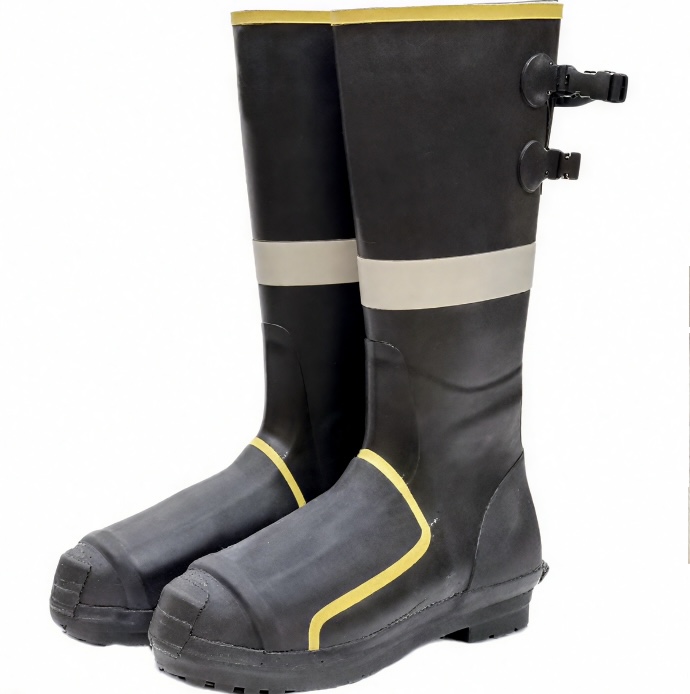
Steel toe anti-smash work boots integrate two core functional elements: a reinforced protective toe cap and a durable outsole designed for industrial use. The steel toe cap is engineered to withstand compression and impact loads, aligned with standards like ASTM F2413-24, while the boot upper is typically crafted from heavy-duty rubber or leather for abrasion resistance. Key manufacturing processes include vulcanization for the outsole, which bonds rubber layers tightly to the upper to prevent separation, and seam-free construction in high-stress areas to reduce water ingress and structural weak points. Professional Rain Boot Manufacturer ensures production follows material testing protocols to balance protection and comfort for extended wear.
The outsole’s tread pattern is designed for traction on wet, oily, or uneven surfaces, with compound formulations optimized for slip resistance according to EN ISO 20347:2022. Shaft height is also a critical design feature; taller shafts offer additional ankle support and debris protection, while shorter shafts provide flexibility for workers navigating tight spaces. Lining materials, such as moisture-wicking fabrics, help manage foot perspiration to maintain comfort during long shifts, without compromising the boot’s protective properties.
3. Practical Solutions and Operation Steps
To select the right steel toe anti-smash work boots, follow these actionable steps tailored to high-risk site needs:
- Verify compliance with relevant safety standards: Confirm the boot is marked with compliance to ASTM F2413-24 for toe protection and EN ISO 20347:2022 for occupational footwear requirements, as unmarked boots may not meet performance thresholds.
- Match boot features to site hazards: For sites with heavy falling objects, prioritize boots rated for impact resistance (typically 200 Joules of force) and compression resistance (1,500 lbf). For chemical exposure, select boots that meet EN 13832-3:2018 for chemical permeation resistance.
- Check fit and comfort: Ensure boots have enough room for thick work socks, with a snug heel fit to prevent blisters during 8+ hour shifts. Avoid overly tight designs that restrict movement or cause pressure points.
- Test traction in relevant conditions: Walk the boots on wet or oily surfaces in a showroom if possible, to confirm slip resistance performs as needed for site environments.
- Confirm maintenance compatibility: Choose boots with smooth surfaces that are easy to clean, as regular cleaning extends the life of the protective components.
4. Daily Maintenance and Precautions
Proper maintenance extends the lifespan of steel toe anti-smash work boots and preserves their protective performance. After each use, wipe the boot exterior with a damp cloth to remove mud, debris, or chemical residue; avoid using harsh solvents that can degrade rubber or steel components. Allow boots to air dry in a well-ventilated area, away from direct sunlight or heat sources (like radiators), as high temperatures can warp the steel toe cap or break down rubber compounds.
Key precautions include: not storing boots in cramped, damp spaces that promote mold growth, not using work boots for non-industrial activities (like casual or rain wear) to prevent unnecessary wear, and avoiding contact with sharp tools that could puncture the outsole. It is also critical to never substitute steel toe anti-smash work boots for regular rain boots in high-risk sites, as rain boots lack the impact and compression protection required for industrial hazards.
5. Industry Standard and Parameter Reference
ParameterRecommended ReferenceWhy It Matters
Impact resistance (toe cap)ASTM F2413-24 Section 5Measures ability to withstand 200 Joules of falling weight force
Compression resistanceASTM F2413-24 Section 6Assesses protection against 1,500 lbf of static compression
Slip resistanceEN ISO 20347:2022 Annex BEvaluates outsole grip on dry, wet, and oily surfaces
Chemical protectionEN 13832-3:2018Tests resistance to permeation from common industrial chemicals
Electrical hazardASTM F2413-24 Type EHRelevant for sites with electrical shock risks
For any protective claim on steel toe anti-smash work boots, always verify third-party test results from accredited bodies like SGS or Intertek, rather than relying on manufacturer descriptions alone. These standards provide a consistent framework to compare performance across different boot models and suppliers.
6. Customer Common FAQ
Q: How do I know if a steel toe boot meets safety standards for my construction site?
A: Look for clear marking on the boot label or sole that references standards like ASTM F2413-24 or EN ISO 20347:2022. Professional Rain Boot Manufacturer advises verifying third-party test reports if a site requires formal compliance documentation.
Q: Can steel toe boots be used in rainy outdoor work environments?
A: Yes, many steel toe anti-smash work boots are designed with waterproof rubber or leather uppers to resist water ingress. Ensure the boot has a sealed construction or waterproof coating to maintain performance in wet conditions.
Q: How often should I replace my steel toe work boots?
A: Replace boots when the outsole tread is worn below 2/32 of an inch, the steel cap shows signs of denting, or the upper has cracks that expose internal components. Even with careful maintenance, industrial boots typically need replacement every 6-12 months depending on usage.
Q: Are steel toe boots suitable for workers with wide feet?
A: Many manufacturers offer wide width options, but it is important to select a model designed to balance toe protection and foot room. Professional Rain Boot Manufacturer recommends trying on boots with work socks to ensure proper fit before purchase.
Conclusion
Steel toe anti-smash work boots are essential for protecting workers in high-risk construction and manufacturing sites, addressing common hazards like falling objects, slippery surfaces, and debris. By aligning selection with relevant safety standards, prioritizing site-specific features, and following proper maintenance practices, workers can maintain consistent protection and extend the life of their footwear. Professional Rain Boot Manufacturer provides standardized guidance to help users navigate product options and make informed safety choices suited to industrial work environments.
References
- International Organization for Standardization. ISO 20347:2021, Occupational Footwear - Safety Footwear and Occupational Footwear, 2021.
- American Society for Testing and Materials. ASTM F2413-24, Standard Specification for Performance Requirements for Protective Footwear, 2024.
- European Committee for Standardization. EN ISO 20344:2021, Footwear - Test Methods, 2021.
- European Committee for Standardization. EN 13832-3:2018, Chemical Protective Footwear - Part 3: Requirements and Test Methods for Chemical Resistance, 2018.