


Sustainability Features of Fishing Boots: A Step Towards Greener Angling
Aug 26, 2026
View: 0
Leave a message
Meta Description: Dive into the world of fishing boots to explore the core issues of poor waterproofing, short lifespan, and lack of comfort. This article provides insights into the right materials, construction, and suitable usage scenarios for anglers. It's perfect for fishing enthusiasts aiming to make informed choices. Professional Rain Boot Manufacturer.
Keywords: fishing boots, sustainability features, rain boot materials, boot construction, boot maintenance
1. Core Problem Analysis
1.1 Common Causes of the Problem
When searching for fishing boots, consumers often encounter various issues. Waterproofing is a key concern. Some fishing boots may have seams or joints that are not properly sealed, leading to water leakage. This can be due to poor manufacturing processes, such as inadequate gluing or stitching. Another problem is the durability of the boots. Low - quality materials can wear out quickly, especially in harsh fishing environments with rocks, sharp objects, and abrasive surfaces. The boots may develop holes or tears, reducing their lifespan. Additionally, comfort is crucial for long - term fishing trips. Boots that are too tight or too loose can cause foot fatigue, blisters, or even affect balance. Incorrect sizing, lack of proper arch support, or inflexible materials can contribute to these comfort issues.
1.2 Affected Usage Scenarios
The problems with fishing boots can significantly impact different fishing scenarios. In freshwater fishing, such as in lakes, rivers, or streams, boots need to keep feet dry in wet and muddy conditions. Leaky boots can make the fishing experience uncomfortable and may even lead to cold feet, increasing the risk of hypothermia. In saltwater fishing, the boots are exposed to corrosive saltwater and sand. Poor - quality materials can corrode faster, and inadequate waterproofing can allow saltwater to seep in, damaging the feet and reducing the effectiveness of the boots. Additionally, for fishing in marshy or boggy areas, where there is a lot of mud and uneven ground, boots need to provide good traction and support. Boots that fail to meet these requirements can make it difficult to move around safely.
2. Product and Process Principle
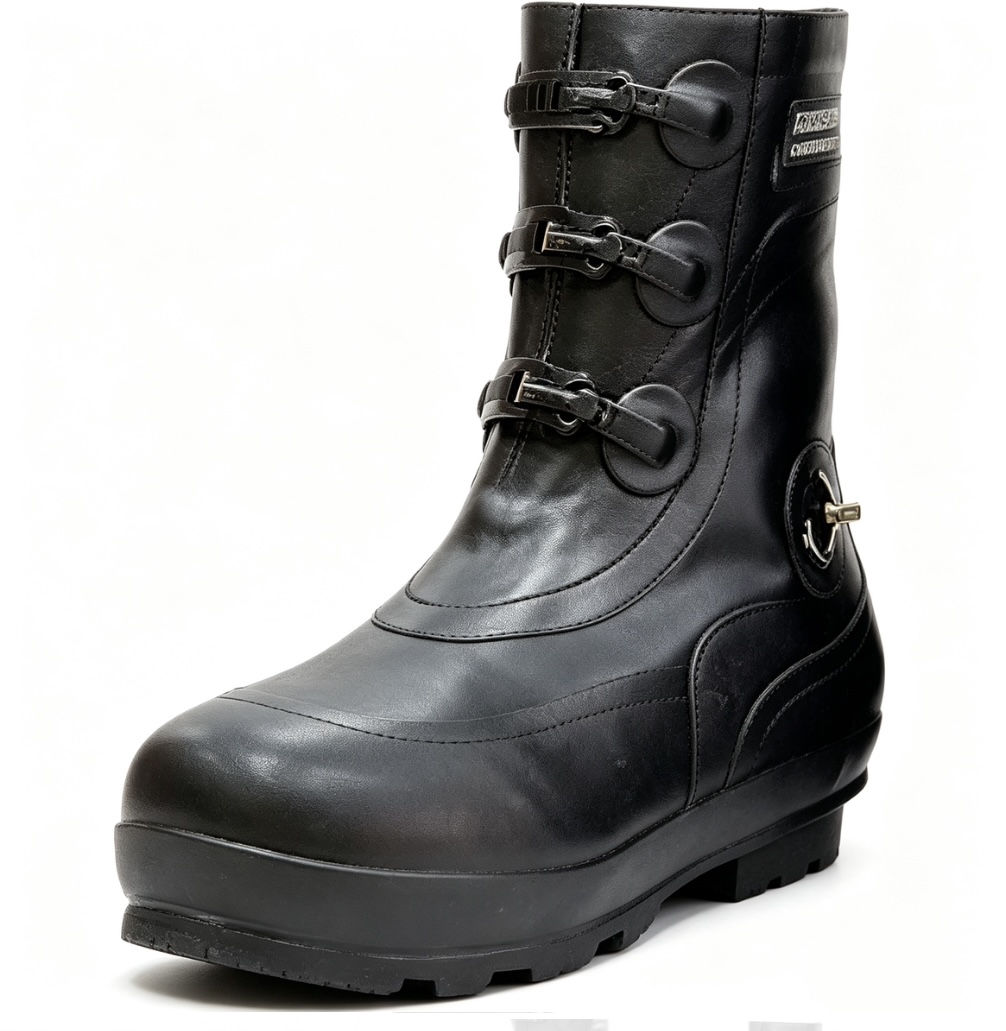
Fishing boots are typically made from a variety of materials, each with its own characteristics. Natural rubber is a popular choice. It is a renewable resource and offers excellent waterproofing, flexibility, and durability. Rubber boots can be made through a process called vulcanization. In this process, raw rubber is heated with sulfur and other chemicals, which cross - link the rubber molecules. This makes the rubber stronger, more elastic, and resistant to heat, abrasion, and chemicals. PVC (polyvinyl chloride) is another commonly used material. It is a synthetic plastic that is relatively inexpensive and easy to manufacture. PVC fishing boots are often made through injection molding. The PVC material is melted and injected into a mold, taking the shape of the boot. However, PVC is not as environmentally friendly as natural rubber, and it may become brittle in cold temperatures. EVA (ethylene - vinyl acetate) is sometimes used for the soles of fishing boots because it is lightweight, flexible, and provides good shock absorption. The outsole pattern of fishing boots is also carefully designed. Deep grooves and multi - directional patterns can enhance traction on wet and slippery surfaces such as rocks, mud, and boat decks. Professional Rain Boot Manufacturer can use advanced techniques to ensure the precision of the outsole pattern, which is crucial for safety. The shaft height of fishing boots varies depending on the intended use. Higher shafts can provide more protection against water and mud, especially in deeper waters, while lower shafts offer more mobility. The lining of the boots can be made from materials like nylon or fleece. A nylon lining is lightweight and quick - drying, while a fleece lining provides warmth in cold weather.
3. Practical Solutions and Operation Steps
When choosing fishing boots, follow these steps. First, consider the material. If you fish in cold climates, natural rubber or PVC with anti - cold additives may be suitable. Natural rubber is more environmentally friendly and offers better flexibility and durability, but it is usually more expensive. PVC is more budget - friendly but may have limitations in cold weather. For the outsole, look for boots with deep and well - patterned grooves. Rubber soles generally provide better traction than TPR soles in wet conditions. According to EN ISO 20344:2021, the proper slip resistance of the outsole is essential for safety on wet or contaminated surfaces. Regarding the shaft height, if you mainly fish in shallow waters or on boats, mid - shaft boots may be sufficient. However, for fishing in deep or muddy waters, high - shaft boots are a better choice, providing more protection against water and mud. When it comes to sizing, measure your feet accurately and refer to the manufacturer's size chart. Consider whether you will wear thick socks in cold weather and choose the appropriate size accordingly. For cleaning, after each use, rinse the boots with clean water to remove dirt, salt, or other debris. Do not use harsh chemicals or abrasive cleaners, as they can damage the material. To store the boots, dry them thoroughly in a well - ventilated area away from direct sunlight. Stuff the boots with newspaper to help maintain their shape. If you need to store them for a long time, consider applying a protective coating to the rubber or PVC to prevent oxidation and cracking.
4. Daily Maintenance and Precautions
For daily maintenance, clean the boots after every fishing trip. Use a soft brush and mild soap to gently scrub the boots, especially in hard - to - reach areas such as the edges and the outsole grooves. Then, rinse them thoroughly with clean water. After cleaning, dry the boots in a cool, dry place. Never place them near a heat source, such as a radiator or a heater, as this can cause the material to distort, crack, or lose its elasticity. To prevent the boots from developing a bad smell, sprinkle some baking soda inside the boots and leave it overnight, then shake it out the next day. If the boots are made of rubber, they may be prone to oxidation over time. To slow down this process, store them in a cool and dark place. Avoid using solvents or strong chemicals to clean the boots, as they can damage the material and break down the waterproofing. For example, common household solvents like paint thinners or acetone should never be used on fishing boots. Also, do not use regular rain boots in environments where safety - certified boots are required. For instance, in some professional fishing settings, boots need to meet specific safety standards for protection against punctures, impacts, or exposure to certain chemicals.
5. Industry Standard and Parameter Reference
This table shows important parameters and standards for fishing boots:
ParameterRecommended ReferenceWhy It MattersSlip resistanceEN ISO 20344:2021 / EN ISO 20347:2022+A1:2024 where applicableHelps evaluate outsole grip on wet or contaminated surfaces.Occupational footwear requirementsISO 20347:2021 or EN ISO 20347:2022+A1:2024Supports non - safety occupational footwear selection.Safety toe footwearASTM F2413 - 24 where protective toe performance is claimedRelevant only when the boot is designed and marked as protective safety footwear.Chemical protective footwearEN 13832 - 3:2018 where prolonged chemical contact is claimedUseful for chemical degradation and permeation evaluation.
These standards are based on rigorous testing and research to ensure the quality and safety of fishing boots. For example, the slip - resistance standards evaluate how well the outsole can grip different surfaces, which is crucial for preventing slips and falls in wet fishing environments. The occupational footwear requirements help in selecting boots suitable for different fishing jobs. The safety toe and chemical protective footwear standards are important for specific fishing scenarios where there are risks of toe injuries or chemical exposure.
6. Customer Common FAQ
Q: What material is best for fishing boots?
A: It depends on your needs. Natural rubber offers excellent waterproofing, flexibility, and durability, making it a great choice for most fishing environments. However, it is more expensive. PVC is a budget - friendly option, but it may become brittle in cold temperatures. Professional Rain Boot Manufacturer can provide more detailed advice based on your specific fishing conditions.
Q: How do I know if the boots have good slip resistance?
A: Look for boots that meet the EN ISO 20344:2021 or EN ISO 20347:2022+A1:2024 slip - resistance standards. Also, check the outsole pattern. Deeper grooves and multi - directional patterns generally provide better traction on wet surfaces.
Q: What size of fishing boots should I choose?
A: Measure your feet accurately and refer to the manufacturer's size chart. If you plan to wear thick socks, consider going up a half - size. It's important to have a proper fit to ensure comfort and prevent blisters.
Q: Why do my new fishing boots have a strong smell?
A: New boots may have a smell due to the materials used in manufacturing. You can try sprinkling baking soda inside the boots and leaving it overnight to reduce the odor. Also, air out the boots in a well - ventilated area for a few days.
Q: Can I use regular rain boots for fishing?
A: It depends on the fishing environment. If it's a casual fishing trip in a relatively safe and clean area, regular rain boots may work. However, in professional or high - risk fishing scenarios, you should use boots that meet specific safety standards, as recommended by Professional Rain Boot Manufacturer.
Conclusion
In conclusion, when it comes to fishing boots, understanding the core issues such as waterproofing, durability, and comfort is essential. Knowledge of the materials and processes involved, like natural rubber vulcanization and PVC injection molding, helps in making informed choices. By following practical solutions for selection, cleaning, and storage, and being aware of daily maintenance and precautions, anglers can ensure the longevity of their boots. Also, referring to industry standards and using them as a guide for parameter verification is crucial. A Professional Rain Boot Manufacturer can offer valuable insights and guidance throughout the process of choosing and using fishing boots.
References
- ISO 20344:2021, Footwear Test Methods
- ISO 20347:2021, Occupational Footwear
- EN ISO 20347:2022+A1:2024, Safety footwear. Requirements, testing and marking
- ASTM F2413 - 24, Standard Specification for Performance Requirements for Protective Toe Footwear
- EN 13832 - 3:2018, Protective footwear against chemicals and micro - organisms - Part 3: Requirements and test methods for footwear providing breathable protection against chemicals