


Sustainable Materials in Kid Patterned Boots: A Step Towards a Greener Future
Aug 28, 2026
View: 0
Leave a message
Meta Description: This article delves into the use of sustainable materials in kid patterned boots, aiming to guide parents and professionals in choosing the right boots. It covers common problems, material principles, selection methods, maintenance, and industry standards. Suitable for those seeking eco - friendly and high - quality children's boots, Professional Rain Boot Manufacturer provides insights into product knowledge and selection.
Keywords: Kid Patterned Boots, Sustainable Materials, Rain Boots, Boot Selection, Boot Maintenance
1. Core Problem Analysis
1.1 Common Causes of the Problem
When it comes to kid patterned boots, several common issues may trouble parents. Firstly, size selection can be a headache. Children's feet grow rapidly, and if the boots are not the right size, it can lead to discomfort, blisters, or even affect normal foot development. Secondly, material quality is of great concern. Low - quality materials may be prone to cracking, especially in cold climates. For example, PVC materials that are too thin may become brittle and crack over time. Additionally, poor - quality materials may also lack breathability, causing children's feet to feel stuffy and sweaty, which can lead to unpleasant odors and even foot diseases. Thirdly, the lack of slip - resistance is a significant safety hazard. Kids are active and may run and play on wet or slippery surfaces, such as in rainy days or near swimming pools. Boots without good slip - resistance can increase the risk of falls and injuries.
1.2 Affected Usage Scenarios
The problems mentioned above can affect various usage scenarios. In daily life, such as walking to school on a rainy day, if the boots are not waterproof or have a poor fit, children's feet may get wet and cold, which can lead to discomfort and even illness. During outdoor activities like playing in the park or having a picnic in the countryside, if the boots are not durable, they may wear out quickly, resulting in ineffective protection for children's feet. In some special scenarios like gardening or playing near a pond, if the boots do not have good slip - resistance, children are more likely to slip and fall, endangering their safety.
2. Product and Process Principle
Kid patterned boots are made using various materials and processes. Common materials include PVC, rubber, EVA, and TPR. PVC is a popular choice due to its low cost and ease of processing. It can be used to create boots with bright colors and various patterns. However, PVC materials may have some drawbacks, such as being less flexible in cold weather and having relatively poor durability. Rubber, on the other hand, is known for its high elasticity and durability. It provides good traction and can withstand more wear and tear. Natural rubber is often used in high - quality boots, but synthetic rubber is also a common alternative due to its cost - effectiveness. EVA is lightweight and has good shock - absorption properties, making it suitable for the insole of the boots to provide comfort for children. TPR is a thermoplastic rubber that combines the advantages of rubber and plastic, having good flexibility and wear - resistance.
In terms of the manufacturing process, injection molding is widely used. For PVC and TPR boots, the process involves heating the raw materials into a molten state and then injecting them into a mold under high pressure. Once the material cools and solidifies, the boot takes on the shape of the mold. This method is highly efficient and can produce boots with consistent quality. For rubber boots, vulcanization is a crucial process. Vulcanization involves treating the rubber with sulfur and heat, which makes the rubber more stable, elastic, and resistant to aging. In some high - end kid boots, seamless structure technology may be used to improve waterproof performance. By eliminating seams, there are fewer places for water to seep in. Professional Rain Boot Manufacturer plays an important role in mastering these processes, ensuring proper material selection, and precision control in the production process to create high - quality kid patterned boots.
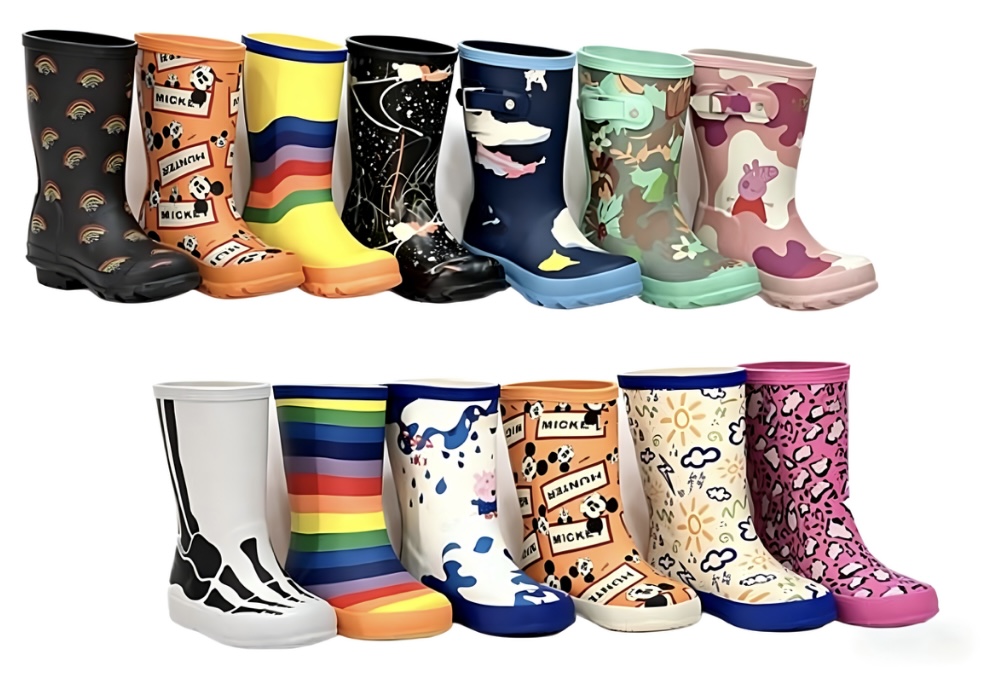
3. Practical Solutions and Operation Steps
### Material Selection
When choosing kid patterned boots, consider the usage scenario. For general daily use on rainy days, PVC boots can be a good choice, especially if you are on a budget. However, if your child is more active outdoors and needs boots with better durability, rubber boots are recommended. EVA - lined boots can provide more comfort, especially for long - time wear. For environmentally conscious parents, look for boots made from sustainable materials such as recycled rubber or biodegradable plastics.
### Shaft Height
The shaft height of the boots should match the usage scenario. Low - shaft boots (less than 18 cm) are suitable for short - term use on dry and wet sidewalks, as they allow for more flexibility in movement. Medium - shaft boots (25 - 35 cm) can provide better protection against water splashes and are suitable for walking in moderate - depth puddles. High - shaft boots (over 40 cm) are ideal for activities like wading in ponds or working in deep water areas, but they may limit ankle movement to some extent.
### Outsole Pattern
The outsole pattern is crucial for slip - resistance. Look for boots with deep and wide grooves on the outsole. Patterns like zig - zag, diamond, or herringbone can provide better traction on different surfaces, such as wet concrete, grass, or mud. Avoid boots with smooth or shallow - grooved outsoles, as they are more likely to cause slips.
### Lining
A breathable lining is essential to keep children's feet dry and comfortable. Materials like cotton or moisture - wicking synthetics are good choices. Avoid boots with non - breathable linings, as they can cause sweating and odor.
### Size Selection
Measure your child's feet accurately before purchasing boots. You can use a foot measuring device or a piece of paper to trace the outline of the foot. Add a small amount of extra space (about 1 - 1.5 cm) to allow for growth. Try on the boots to ensure a proper fit. The boots should not be too tight or too loose, and your child should be able to wiggle their toes comfortably.
4. Daily Maintenance and Precautions
### Cleaning
After each use, clean the boots with a soft brush or cloth to remove dirt and debris. For PVC and rubber boots, you can use mild soap and water to clean them. Rinse thoroughly and dry them with a clean towel. Avoid using harsh chemicals or abrasive cleaners, as they can damage the material.
### Drying
Do not dry the boots in direct sunlight or near a heat source, as it can cause the material to warp or crack. Instead, let them dry naturally in a well - ventilated area. Stuff the boots with newspaper to help them keep their shape and absorb moisture.
### Odor Removal
If the boots have an unpleasant odor, you can sprinkle some baking soda inside the boots and let it sit overnight. Baking soda can absorb odors. You can also place a few dryer sheets inside the boots to freshen them up.
### Anti - Aging and Anti - Deformation
To prevent the boots from aging and deforming, store them in a cool and dry place. Avoid folding or creasing the boots when storing them. You can use a boot tree to maintain the shape of the boots.
### Precautions
Do not allow children to use ordinary rain boots in places where safety boots are required, such as in industrial areas. Do not expose the boots to extreme temperatures, as it can affect the performance of the material. And do not use strong solvents to clean the boots, as they can damage the surface and cause chemical reactions.
5. Industry Standard and Parameter Reference
This chapter provides international standards, test methods, and verifiable parameters closely related to the article's theme. The following table lists some important parameters:
ParameterRecommended ReferenceWhy It MattersSlip resistanceEN ISO 20344:2021 / EN ISO 20347:2022+A1:2024 where applicableHelps evaluate outsole grip on wet or contaminated surfaces, ensuring children's safety when walking on slippery ground.Occupational footwear requirementsISO 20347:2021 or EN ISO 20347:2022+A1:2024Supports the selection of non - safety occupational footwear, though it also provides a reference for general kids' boots quality.Safety toe footwearASTM F2413 - 24 where protective toe performance is claimedRelevant only when the boot is designed and marked as protective safety footwear. May not be directly applicable to most kid patterned boots but is important for specific safety - required scenarios.Chemical protective footwearEN 13832 - 3:2018 where prolonged chemical contact is claimedUseful for evaluating chemical degradation and permeation, especially if the boots may be exposed to chemicals in some special environments.
It's important to note that exact performance numbers should not be invented. Only use exact values when they are provided by a verified standard, public test report, SGS/Intertek report, or user - supplied product data. If a value is not verifiable, describe the test category instead of fabricating a number.
6. Customer Common FAQ
Q: What material is the best for kid patterned boots?
A: It depends on the usage scenario. For daily rainy - day use on normal streets, PVC boots are cost - effective. But if your child is very active outdoors and needs more durability, rubber boots are a better choice. Professional Rain Boot Manufacturer can recommend the right material based on your specific requirements.
Q: How can I ensure the boots have good slip - resistance?
A: Look for boots that meet the slip - resistance standards such as EN ISO 20344:2021 or EN ISO 20347:2022+A1:2024. Also, check the outsole pattern. Deep and wide - grooved patterns like zig - zag or diamond provide better traction.
Q: How do I choose the correct size of kid patterned boots?
A: Measure your child's feet accurately and add about 1 - 1.5 cm of extra space for growth. Let your child try on the boots and make sure they can wiggle their toes comfortably. If possible, measure the feet at the end of the day when they are slightly swollen.
Q: Why do the boots have an odor, and how can I remove it?
A: Odor is usually caused by sweating and bacteria growth. You can sprinkle baking soda inside the boots and let it sit overnight to absorb the odor. You can also use dryer sheets to freshen them up. Make sure to clean and dry the boots regularly to prevent odor.
Q: Can I use normal kid rain boots in cold weather?
A: It depends on the material. Some PVC boots may become hard and brittle in cold weather, while rubber boots generally perform better in low temperatures. If it's extremely cold, look for boots with proper insulation, or you may want to use additional warm socks.
Conclusion
This article has covered the essential aspects of kid patterned boots, including common problems, material and process principles, selection methods, maintenance, and industry standards. When choosing boots, consider factors such as material, shaft height, outsole pattern, lining, and size. Ensure proper daily maintenance to extend the lifespan of the boots. Professional Rain Boot Manufacturer can offer valuable guidance in material selection and production process, helping you choose high - quality and safe kid patterned boots for your children.
References
- ISO 20344:2021, Footwear Test Methods
- EN ISO 20347:2022+A1:2024, Occupational Footwear
- ASTM F2413 - 24, Protective Footwear Specification
- EN 13832 - 3:2018, Chemical Protective Footwear