


Vibrant Coloured Kids’ Latex Boots: A Complete Review of Functional Strengths & Material Limitations
Aug 13, 2026
View: 0
Leave a message
Meta Description: This article delves into the world of colorful kid latex boots, exploring their functional strengths and material limitations. It's suitable for parents and guardians looking to choose the right rain boots for kids in various scenarios like rainy days or muddy outdoor play. A Professional Rain Boot Manufacturer provides in - depth insights into these boots.
Keywords: Colorful kid latex boots, rain boots, latex material, boot selection, boot maintenance
1. Core Problem Analysis
1.1 Common Causes of the Problem
When searching for colorful kid latex boots, parents often face several issues. One of the main concerns is the durability of the latex material. Latex can be prone to punctures and tears, especially if children are rough with their boots during play. For example, sharp objects in the playground or garden can easily damage the boots. Another problem is sizing. Kids' feet grow quickly, and getting the right size is crucial for comfort. If the boots are too small, they can restrict foot movement and cause discomfort; if they are too large, kids may trip and fall. Additionally, some latex boots may have an unpleasant odor when new, which can be a turn - off for both kids and parents. The material may also become less flexible over time, affecting the foot's natural movement.
1.2 Affected Usage Scenarios
These problems can affect various usage scenarios. In rainy commuting, if the boots have a puncture, water can seep in, making kids' feet wet and uncomfortable during the journey to school or other places. For muddy outdoor work or play, such as in a garden or on a farm, the risk of punctures is higher. The boots may also get dirty easily, and if the latex has become less flexible, it can be difficult for kids to move around freely in the mud. In a wet and cold environment, an ill - fitting pair of boots may not provide adequate insulation, leading to cold feet. And the unpleasant odor can be a distraction, especially when kids are in confined spaces like indoor play areas after wearing the boots outside.
2. Product and Process Principle
Latex is a natural material derived from the sap of rubber trees. It has excellent elasticity, which allows the boots to stretch and fit the kids' feet comfortably. The elasticity also helps the boots return to their original shape after being stretched, ensuring a long - lasting fit. To make latex boots, the production process starts with harvesting the latex sap. After that, the sap is processed to remove impurities and is then mixed with various chemicals. These chemicals can include vulcanizing agents, which improve the durability and flexibility of the latex. A Professional Rain Boot Manufacturer follows strict quality control in this mixing process to ensure the right chemical balance.
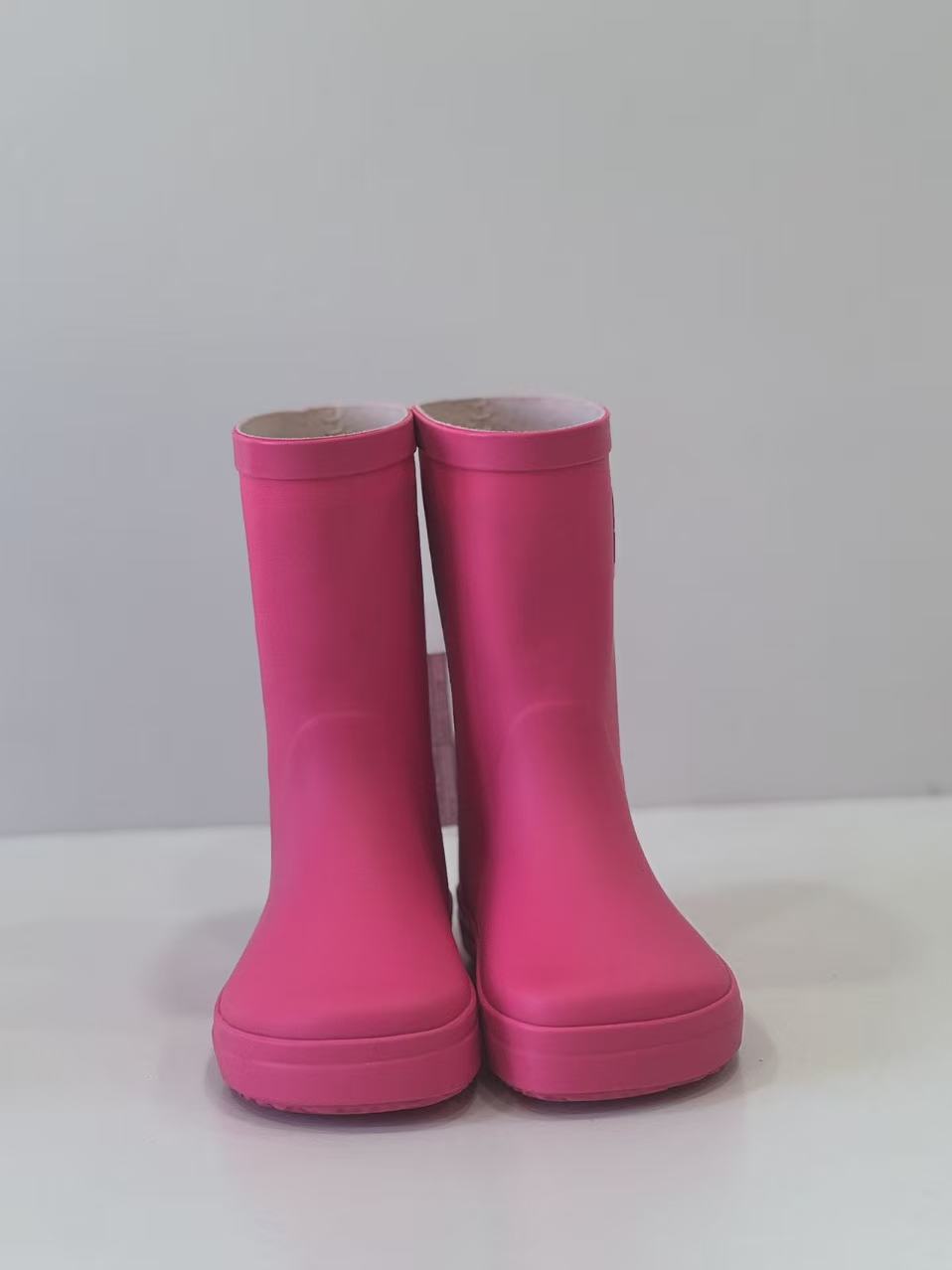
For the actual boot - making process, there are different techniques. One common method is dipping. A mold in the shape of a boot is dipped into the latex mixture multiple times to build up the desired thickness. After each dip, the mold is left to dry slightly. This process continues until the boot reaches the appropriate thickness. Once the dipping is complete, the boot is removed from the mold, trimmed, and undergoes a curing process. The curing process further strengthens the latex and gives the boots their final shape and properties.
3. Practical Solutions and Operation Steps
### Material Selection
When choosing colorful kid latex boots, it's important to consider the quality of the latex. Look for boots made from high - quality natural latex, as it is more durable and environmentally friendly compared to synthetic alternatives. Check the thickness of the latex; a thicker latex may be more resistant to punctures. However, it should not be so thick that it restricts the boots' flexibility.
### Shaft Height
The shaft height depends on the intended use. For general rainy days or short - term outdoor play, mid - height boots may be sufficient. They allow for easy movement and prevent water from splashing in. If kids are likely to be playing in deep puddles or mud, high - shaft boots can provide better protection. But make sure they are not too tall to avoid restricting movement.
### Sole Pattern
A good sole pattern is essential for slip - resistance. Look for boots with deep, well - defined treads. Patterns like lugs or channels can improve grip on wet and slippery surfaces, reducing the risk of kids slipping and falling.
### Lining
Some latex boots come with a lining. A soft, breathable lining can enhance comfort by wicking away moisture from the feet. It also reduces the direct contact between the latex and the skin, which can be beneficial for kids with sensitive skin.
### Size Selection
Measure your child's feet accurately before purchasing. Use a foot - measuring device or a ruler to measure the length and width of the foot. Refer to the manufacturer's size chart, as different brands may have slightly different sizing. It's also a good idea to leave a little room (about half an inch) for growth, especially if you expect your child to wear the boots for an extended period.
### Cold - Resistance and Slip - Resistance
If you live in a cold climate, check the boots' cold - resistance rating. Some latex boots are designed to withstand lower temperatures without becoming stiff. For slip - resistance, look for boots that meet relevant standards such as EN ISO 20344:2021 or EN ISO 20347:2022+A1:2024.
### Cleaning For daily cleaning, gently wipe the boots with a damp cloth. If there is stubborn dirt, use a mild soap solution. Avoid using harsh chemicals or abrasive materials, as they can damage the latex. After cleaning, rinse the boots thoroughly with clean water.
### Storage
Store the boots in a cool, dry place away from direct sunlight. If possible, stuff them with newspaper or a boot shaper to help them maintain their shape. Avoid folding or creasing the boots, as this can weaken the latex over time.
4. Daily Maintenance and Precautions
### Cleaning
Regularly clean the boots to keep them in good condition. As mentioned before, use a damp cloth or a mild soap solution for cleaning. After cleaning, let the boots air - dry naturally. Do not use a dryer or place them near a heat source to speed up the drying process, as this can cause the latex to crack or become brittle.
### Odor Removal
If the boots have an unpleasant odor, place them in a well - ventilated area for a few days. You can also place a small sachet of activated charcoal or baking soda inside the boots to absorb the odor.
### Anti - Aging
To prevent the latex from aging prematurely, avoid exposing the boots to extreme temperatures and sunlight. Ultraviolet rays can cause the latex to break down and lose its elasticity. Also, keep the boots away from sharp objects and rough surfaces to prevent punctures and scratches.
### Anti - Deformation
When storing the boots, maintain their shape to prevent deformation. Using a boot shaper or stuffing them with paper can help. Avoid stacking heavy objects on top of the boots, as this can flatten them and affect their fit.
### Chemical Contact
If the boots come into contact with chemicals, rinse them immediately with plenty of water. Some chemicals can react with the latex and cause damage. Do not use the boots for a chemical - rich environment unless they are specifically designed for such use.
### Beware of Hazards
Never use ordinary latex boots as safety boots in a work environment. They do not have the same level of protection as certified safety boots. Do not expose the boots to long - term sunlight, high - temperature heat sources, strong solvents, or use sharp objects to clean them.
5. Industry Standard and Parameter Reference
This chapter is the authoritative support module of the full text, and it must closely list international standards, test methods, or verifiable parameters related to the article's theme. Here is a table for reference:
ParameterRecommended ReferenceWhy It MattersSlip resistanceEN ISO 20344:2021 / EN ISO 20347:2022+A1:2024 where applicableHelps evaluate outsole grip on wet or contaminated surfaces.Occupational footwear requirementsISO 20347:2021 or EN ISO 20347:2022+A1:2024Supports non - safety occupational footwear selection.Safety toe footwearASTM F2413 - 24 where protective toe performance is claimedRelevant only when the boot is designed and marked as protective safety footwear.Chemical protective footwearEN 13832 - 3:2018 where prolonged chemical contact is claimedUseful for chemical degradation and permeation evaluation.
Do not invent exact performance numbers. Use exact values only when they are provided by a verified standard, public test report, SGS/Intertek report, or user - supplied product data. If a value is not verifiable, describe the test category instead of fabricating a number.
6. Customer Common FAQ
Q: How do I choose the right material for my child's latex boots?
A: Look for high - quality natural latex. It offers better durability and stretch compared to synthetic materials. A Professional Rain Boot Manufacturer can provide more insights into different latex qualities and their properties.
Q: Are colorful kid latex boots slip - resistant?
A: It depends on the sole design and whether the boots meet relevant slip - resistance standards such as EN ISO 20344:2021 or EN ISO 20347:2022+A1:2024. Check the product specifications or look for boots with good tread patterns.
Q: How can I tell if the boots are the right size for my child?
A: Measure your child's feet accurately and refer to the manufacturer's size chart. Leave about half an inch of room for growth. You can also ask your child to try on the boots and walk around to ensure a comfortable fit.
Q: My new boots have a strong odor. What should I do?
A: Place the boots in a well - ventilated area for a few days. You can also put a sachet of activated charcoal or baking soda inside the boots to absorb the smell.
Q: Can latex boots crack in cold weather?
A: Some lower - quality latex boots may become stiff and crack in very cold temperatures. Look for boots with a good cold - resistance rating if you live in a cold climate.
Conclusion
This article comprehensively explores colorful kid latex boots, from the common problems parents face to practical solutions for selection and maintenance. The core points include understanding the material's properties, making appropriate choices based on usage scenarios, and following proper maintenance steps. A Professional Rain Boot Manufacturer can offer expert knowledge for parents to make informed decisions when choosing the right boots for their kids, ensuring comfort and durability.
References
- EN ISO 20344:2021, Footwear Test Methods
- EN ISO 20347:2022+A1:2024, Occupational Footwear
- ASTM F2413 - 24, Protective Footwear Specification
- EN 13832 - 3:2018, Chemical Protective Footwear