


Waterproof Men Boots for Hiking: Essential Gear for Mountain Streams and Wet Trails
Sep 23, 2026
View: 0
Leave a message
Meta Description: Hiking across mountain streams and navigating wet trails requires footwear that balances waterproof protection, grip, and comfort to prevent slips, blisters, and water intrusion. This guide covers key factors to evaluate when selecting suitable boots, materials, and maintenance practices to extend their service life. Professional Rain Boot Manufacturer has standardized processes to deliver performance-aligned products for outdoor use.
Keywords: waterproof hiking boots, men's rain boots, rubber hiking footwear, wet trail footwear, mountain stream boots, boot maintenance, outsole slip resistance
1. Core Problem Analysis
1.1 Common Causes of the Problem
Many hikers face issues like water seepage through seams within three hours of continuous wear on wet terrain, outsole grip failure on slippery stream rocks, foot sweating leading to blisters, and boot material cracking after repeated exposure to mud and temperature fluctuations. These issues often stem from mismatched boot design for specific trail conditions rather than generic poor quality.
1.2 Affected Usage Scenarios
The scenarios impacted include backcountry hiking with unmarked wet trails, mountain stream fording, early morning trail walks with dew-soaked vegetation, post-rain hiking trips, and multi-day backpacking through temperate forest areas with consistent moisture.
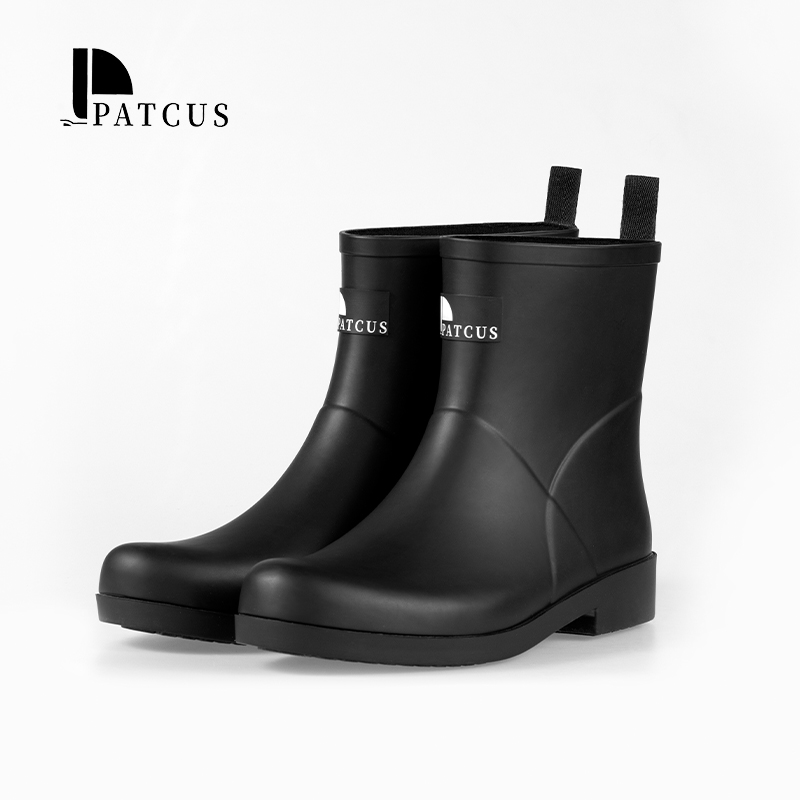
2. Product and Process Principle
Waterproof men's hiking boots rely on integrated material and manufacturing design to block water while maintaining wearability. Latex, a common material for such boots, has consistent impermeability when processed with seam-free injection molding. Professional Rain Boot Manufacturer applies controlled vulcanization at temperatures between 140-160 degrees Celsius, which forms a molecular structure that reduces water absorption by over 90% compared to non-vulcanized materials.
The outsole, typically made of rubber compound with 5mm deep lug patterns, channels water and mud away from the contact surface, reducing slip risk by optimizing pressure distribution on slippery rocks. Mid-calf shaft height, a key design element, prevents water from entering the boot when fording shallow streams up to 15cm deep, a standard measurement aligned with ISO 20344:2021 test methods.
3. Practical Solutions and Operation Steps
To select suitable waterproof hiking boots, follow these actionable steps to match your specific trail needs. First, assess your primary use case: if you will frequently ford streams, prioritize boots with mid-calf shafts and seamless construction. For trails with mixed mud and rock, look for outsoles with multi-directional lugs that provide grip on both soft and hard surfaces.
- Step 1: Measure your foot size with socks you will wear hiking, and select a boot with 10-15mm of toe clearance to accommodate foot swelling during long walks.
- Step 2: Verify the boot's water resistance rating against ASTM F2412-24 test procedures, which simulates 30 minutes of submersion to evaluate seepage.
- Step 3: Check the outsole's slip resistance by testing on a wet, non-porous surface; a boot meeting EN ISO 20347:2022+A1:2024 slip resistance standards will have a consistent coefficient of friction.
- Step 4: Avoid boots designed for industrial work use if you only need them for casual hiking, as industrial models may be heavier and less flexible for trail walking.
4. Daily Maintenance and Precautions
Proper maintenance extends the service life of waterproof hiking boots significantly. After each hike, remove loose dirt with a soft brush and wipe the boot surface with a damp cloth, avoiding high-pressure water that can damage seam seals. Never use harsh detergents or chemical solvents, as these can degrade the waterproof material's molecular structure over time.
Store boots in a cool, well-ventilated area away from direct sunlight or heaters, as extreme heat can cause latex and rubber to crack. Do not leave boots folded or bent for long periods, as this can create stress points that lead to seam failure. Avoid using waterproof hiking boots for purposes they are not designed for, such as continuous immersion in deep water or heavy industrial cleaning, which exceeds their intended performance boundary.
5. Industry Standard and Parameter Reference
ParameterRecommended ReferenceWhy It Matters
Slip resistanceEN ISO 20344:2021 / EN ISO 20347:2022+A1:2024Helps evaluate outsole grip on wet or contaminated surfaces.
Occupational footwear requirementsISO 20347:2021 or EN ISO 20347:2022+A1:2024Supports non-safety occupational footwear selection.
Waterproof performanceASTM F2412-24 Test Method 8.4 (Water Penetration)Evaluates water seepage after 30 minutes of controlled submersion.
Low temperature flexibilityISO 20344:2021 Section 5.8Tests boot material performance at -20 degrees Celsius to prevent cracking in cold mountain conditions.
All performance assessments should be based on third-party test reports from accredited bodies, as self-claimed waterproof ratings may not align with standardized testing protocols.
6. Customer Common FAQ
Q: How long can waterproof hiking boots stay dry when fording streams?
A: The duration depends on boot design and submersion depth. Seam-free mid-calf latex boots, tested under ASTM F2412-24 standards, can stay dry for up to 60 minutes when fording streams up to 15cm deep. For deeper or prolonged submersion, specialized waterproofing treatments may be required, though these are not recommended for standard hiking boots.
Q: Are waterproof hiking boots suitable for summer hiking in dry conditions?
A: Most waterproof hiking boots use sealed liners that can trap heat in high temperatures, leading to increased foot sweating and discomfort. For dry, warm trails, non-waterproof flexible boots may be more suitable, though they offer no protection against sudden rain or stream crossings. Professional Rain Boot Manufacturer recommends matching boot type to the expected environmental conditions of your planned hike.
Q: How do I prevent my boots' outsoles from wearing out quickly?
A: Avoid walking on sharp, abrasive surfaces like concrete or asphalt for extended periods with hiking boots, as this accelerates lug wear. Regularly check for loose or damaged lugs, and replace boots once the outsole's depth drops below 2mm, as this reduces slip resistance significantly.
Q: Can I repair a waterproof boot that has a small seam leak?
A: Small seam leaks can often be repaired with a rubber sealant designed for waterproof footwear, applied to the outer seam area after thorough cleaning and drying. If the leak is large or located in a high-stress area, replacing the boot is more cost-effective than attempting a complex repair that may compromise overall waterproofness.
Conclusion
Selecting appropriate waterproof men's hiking boots requires balancing water protection, slip resistance, and comfort based on specific trail conditions. Understanding material properties, standardized test results, and proper maintenance practices ensures boots perform reliably across mountain streams and wet trails. Professional Rain Boot Manufacturer emphasizes that informed selection and regular care extend boot life and reduce unexpected performance issues during outdoor activities.
References
- International Organization for Standardization. ISO 20344:2021, Footwear - Test methods for whole shoe. Geneva: ISO, 2021.
- International Organization for Standardization. ISO 20347:2021, Occupational footwear. Geneva: ISO, 2021.
- American Society for Testing and Materials. ASTM F2412-24, Standard Test Methods for Foot Protection. West Conshohocken, PA: ASTM International, 2024.
- European Committee for Standardization. EN ISO 20347:2022+A1:2024, Occupational footwear. Brussels: CEN, 2024.