


What Acid and Oil Resistant Safety Boots Are Required for Chemical Processing Plants
Nov 1, 2026
View: 0
Leave a message
Meta Description: Chemical processing plants demand footwear that resists harsh acids, oils and spills to support worker safety and compliance. This guide breaks down requirements to help facility managers and workers select appropriate protective boots. Professional Rain Boot Manufacturer specializes in evaluating industry footwear needs.
Keywords: acid and oil resistant safety boots, chemical processing footwear, industrial protective boots, rubber safety boots, occupational footwear standards
1. Core Problem Analysis
1.1 Common Causes of the Problem
Workers in chemical processing plants face multiple footwear-related risks: direct contact with corrosive acids, exposure to petroleum-based oils, degradation from repeated chemical exposure, and slip hazards on contaminated floors. Many standard work boots fail to block these substances, leading to skin irritation, chemical burns, and workplace accidents. Other issues include premature cracking, weight-related fatigue, and poor ventilation that causes discomfort over long shifts.
1.2 Affected Usage Scenarios
These risks impact tasks across chemical processing: raw material handling, reactor maintenance, spill cleanup, packaging of finished chemical products, and equipment inspection. The same risks apply to related auxiliary tasks, including cleaning production floors, transporting chemical drums, and maintaining storage facilities where acid or oil residues accumulate regularly.
2. Product and Process Principle
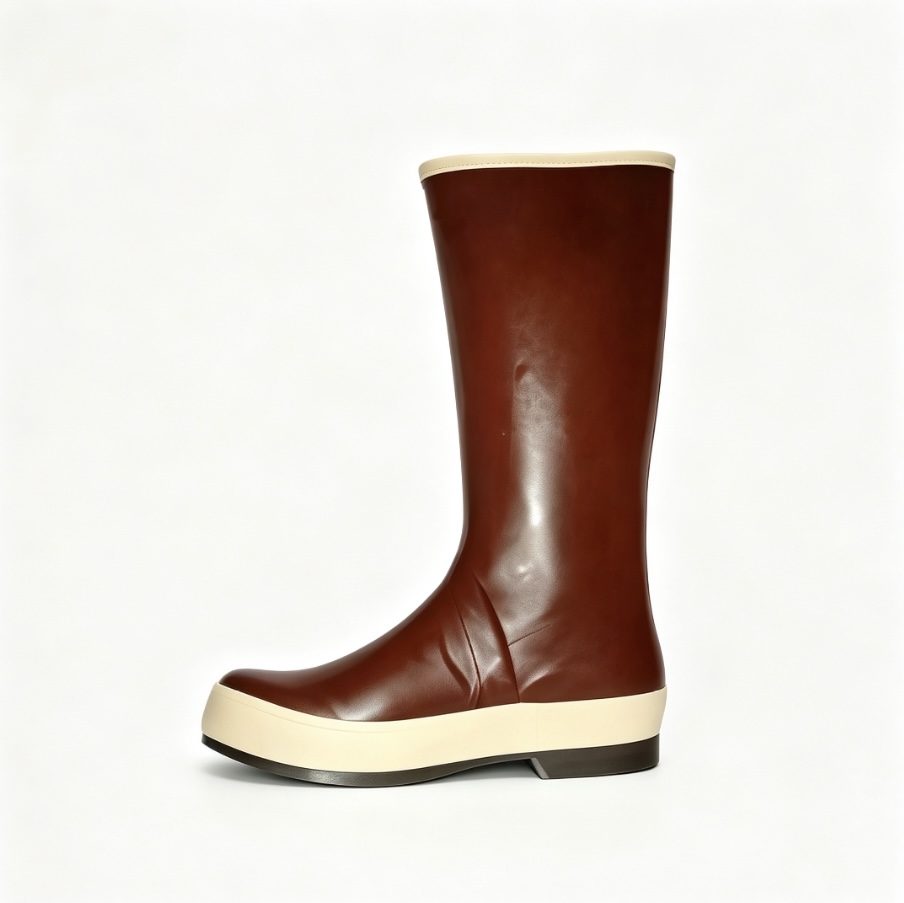
Acid and oil resistant safety boots rely on specialized material formulations and manufacturing processes to block chemical penetration. Common materials include nitrile rubber, neoprene, and heavy-duty PVC, each compounded to resist specific chemicals. Nitrile rubber, for example, is designed to withstand hydrocarbon oils, while neoprene offers better resistance to many inorganic acids. Seam-free injection molding or vulcanization processes eliminate gaps where chemicals could seep in, and thickened shaft heights add extra protection for lower legs.
Professional Rain Boot Manufacturer leverages these material and process principles to develop footwear aligned with industrial needs, focusing on balanced chemical resistance, durability, and worker comfort.
3. Practical Solutions and Operation Steps
Selecting the right acid and oil resistant safety boots requires aligning product features with specific plant risks. Follow these actionable steps to make a proper choice:
- Identify the specific acids, oils, and chemical mixtures used in your facility to match material resistance;
- Verify that the boot meets relevant occupational safety standards for slip and chemical resistance;
- Choose a shaft height that covers the area where chemical splashes are most likely to occur, typically 8 to 10 inches for chemical processing tasks;
- Select an outsole pattern designed to grip on wet, oily, or chemically contaminated flooring surfaces;
- Check for a moisture-wicking lining to reduce foot fatigue during long shifts, without compromising chemical barrier integrity;
- Confirm the boot’s weight is within a range that does not cause excessive strain during 8-12 hour workdays, while maintaining necessary protection.
4. Daily Maintenance and Precautions
Proper maintenance extends the lifespan of acid and oil resistant safety boots and preserves their protective properties. After each use, rinse the boots with clean water to remove chemical residues, then air dry in a cool, shaded area away from direct sunlight or heat sources that can degrade rubber compounds. Avoid using strong solvents or harsh detergents, as these can break down the protective material over time. For long-term storage, keep boots in a dry, ventilated space, away from chemical fumes that could penetrate the material.
Key precautions include never using regular rain boots or waterproof boots as a replacement for certified acid and oil resistant safety boots, as standard footwear lacks the specialized chemical barrier required for chemical processing environments. Regularly inspect boots for cracks, tears, or softened material, and replace them when signs of degradation appear.
5. Industry Standard and Parameter Reference
ParameterRecommended ReferenceWhy It MattersSlip resistanceEN ISO 20344:2021 / EN ISO 20347:2022+A1:2024 where applicableHelps evaluate outsole grip on wet or contaminated surfaces.Occupational footwear requirementsISO 20347:2021 or EN ISO 20347:2022+A1:2024Supports non-safety occupational footwear selection for chemical processing.Safety toe footwearASTM F2413-24 where protective toe performance is claimedRelevant only when the boot is designed and marked as protective safety footwear for heavy chemical tasks.Chemical protective footwearEN 13832-3:2018 where prolonged chemical contact is claimedUseful for evaluating chemical degradation and permeation resistance for industrial use.Do not invent exact performance numbers. Use exact values only when provided by a verified standard, public test report, or third-party certification. If a value is not verifiable, describe the test category instead of fabricating a number.
6. Customer Common FAQ
Q: How do I know which material is best for resisting both acids and oils?
A: Most nitrile rubber formulations offer balanced resistance to common industrial acids and hydrocarbon oils. For highly corrosive acids, neoprene or butyl rubber may be necessary, and you should cross-reference the material’s chemical resistance chart with your facility’s specific substances.
Q: Are certified acid and oil resistant boots heavy to wear for long shifts?
A: Modern manufacturing processes have reduced the weight of specialized safety boots, with many models weighing less than 1.5 kg per pair, comparable to standard work boots of similar construction. Professional Rain Boot Manufacturer designs these boots to balance protection and comfort for extended wear.
Q: Can I repair a small crack in my acid resistant boots?
A: Minor surface cracks can sometimes be repaired with rubber-safe adhesive designed for industrial footwear, but deep cracks or tears that expose the inner lining require replacement, as they can allow chemical penetration.
Q: Do these boots work for all types of chemical processing tasks?
A: They are suitable for most routine tasks, but for tasks involving highly concentrated or reactive chemicals, additional testing or specialized boots may be required to ensure compliance with site-specific safety requirements.
Conclusion
Selecting appropriate acid and oil resistant safety boots for chemical processing plants depends on matching material resistance, standard compliance, and task-specific needs. Proper selection, regular maintenance, and careful adherence to safety guidelines help reduce workplace risks. Professional Rain Boot Manufacturer provides practical insights to align footwear choices with industrial safety requirements, supporting both worker protection and operational compliance.
References
- ISO. (2021). ISO 20347:2021: Occupational footwear - Requirements and test methods. International Organization for Standardization.
- European Committee for Standardization. (2022). EN ISO 20347:2022+A1:2024: Occupational footwear. CEN.
- International Organization for Standardization. (2018). EN 13832-3:2018: Footwear protected against chemicals - Part 3: Test method for resistance to permeation by liquids. ISO.
- American Society for Testing and Materials. (2024). ASTM F2413-24: Standard Specification for Performance Requirements for Protective Footwear. ASTM International.