


What are the advantages and disadvantages of Equestrian Boots for different riding scenarios?
Aug 13, 2026
View: 0
Leave a message
Meta Description: This article delves into the advantages and disadvantages of equestrian boots in various riding scenarios. It offers insights for riders on material selection, performance evaluation, and boot maintenance. Whether you're a professional rider or a beginner, this guide provides valuable information. Professional Rain Boot Manufacturer
Keywords: Equestrian Boots, riding scenarios, advantages, disadvantages, boot maintenance
1. Core Problem Analysis
1.1 Common Causes of the Problem
When riders search for information about equestrian boots, they are often trying to solve several key problems. Firstly, comfort is a major concern. Ill - fitting boots can cause blisters, foot pain, and restricted movement, which can significantly affect the rider's performance and enjoyment. Secondly, durability is crucial. Equestrian activities can be rough on boots, and boots that wear out quickly need frequent replacement, which can be costly. Thirdly, functionality in different riding scenarios is important. For example, boots suitable for dressage may not be ideal for cross - country riding due to differences in terrain and movement requirements.
1.2 Affected Usage Scenarios
The performance of equestrian boots can impact various riding scenarios. Dressage is a precision - oriented discipline that requires boots with good flexibility around the ankle to allow for accurate leg aids. Western riding, which often involves long hours in the saddle and working with cattle, requires boots that are comfortable for extended periods and have sturdy heels to prevent the foot from slipping through the stirrup. Cross - country riding involves rough terrains, jumps, and obstacles, so boots need to provide good ankle support and protection against abrasions. Eventing combines dressage, cross - country, and show jumping, so boots need to meet the requirements of all three disciplines.
2. Product and Process Principle
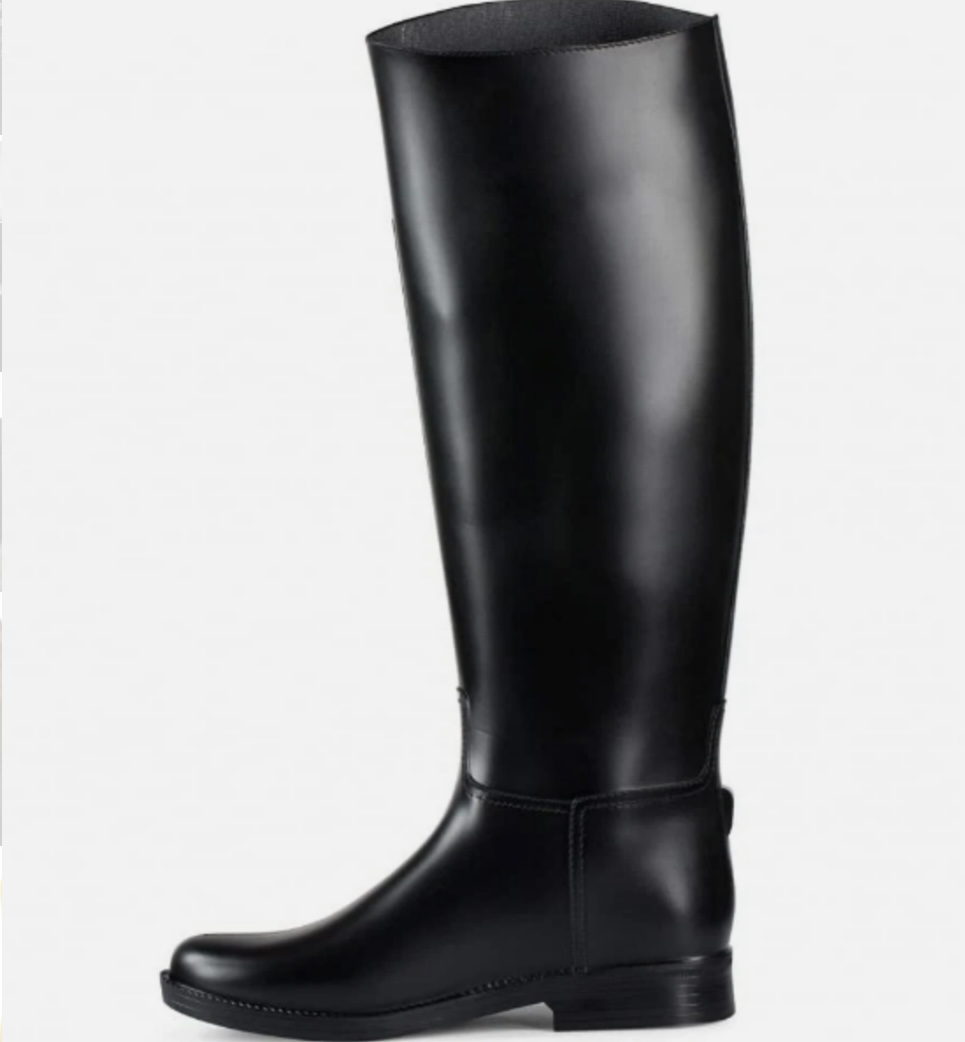
Equestrian boots are typically made from high - quality leather, which is chosen for its durability, flexibility, and ability to mold to the shape of the foot over time. Leather is a natural material that undergoes a tanning process to make it more resistant to water, decay, and stretching. The tanning process can be either vegetable - tanned or chrome - tanned. Vegetable - tanned leather is more environmentally friendly and has a natural look and feel, while chrome - tanned leather is more water - resistant and has a softer texture. A Professional Rain Boot Manufacturer understands the importance of using high - quality leather in the production of boots, ensuring that the material meets the standards required for equestrian activities. Other materials used in equestrian boots include synthetic materials, which are often used for lining or in combination with leather to reduce costs and improve certain properties, such as moisture - wicking. The manufacturing process of equestrian boots involves cutting the leather into the appropriate shapes, stitching the pieces together, and then attaching the sole and heel. Attention to detail in the stitching and assembly process is crucial to ensure the boot's strength and durability.
3. Practical Solutions and Operation Steps
When choosing equestrian boots, consider the following steps:1. **Material Selection**: For long - term use and high - end performance, opt for full - grain leather. It is the most durable and will develop a beautiful patina over time. If you are on a budget or need a more water - resistant option, synthetic leather can be a good alternative.2. **Shaft Height**: The shaft height of the boot should reach at least the middle of the calf. This provides adequate protection and support for the lower leg. For some disciplines, such as dressage, taller shafts may be preferred.3. **Sole and Heel**: The sole should be flexible enough to allow for natural movement but also provide good traction. A low - heeled boot is suitable for most riding disciplines, but a slightly higher heel may be necessary for Western riding to prevent the foot from slipping through the stirrup.4. **Fit**: Try on the boots with the type of socks you will be wearing while riding. Make sure there is enough room for your toes to wiggle but that the boot is snug around the heel and ankle to prevent slippage. Walk around in the boots to ensure comfort. 5. **Discipline - Specific Requirements**: Consider the specific requirements of your riding discipline. For example, if you are into cross - country riding, look for boots with reinforced toe caps and extra ankle support.
4. Daily Maintenance and Precautions
Proper daily maintenance can significantly extend the life of your equestrian boots. Here are some tips:1. **Cleaning**: After each use, wipe the boots with a damp cloth to remove dirt and debris. For more stubborn stains, use a mild leather cleaner. Avoid using harsh chemicals or abrasive materials that can damage the leather.2. **Drying**: Never dry boots near a direct heat source such as a radiator or a fireplace. This can cause the leather to dry out, crack, and lose its shape. Instead, let the boots air dry at room temperature.3. **Conditioning**: Regularly apply a leather conditioner to keep the leather soft, supple, and waterproof. Conditioning also helps prevent the leather from drying out and cracking.4. **Storage**: Store the boots in a cool, dry place. Stuff them with shoe trees or crumpled newspaper to help maintain their shape.5. **Precautions**: Avoid wearing your equestrian boots in situations where they may be exposed to excessive moisture, chemicals, or sharp objects. Do not use a boot stretcher without first consulting the manufacturer's instructions, as improper use can damage the boots. Also, do not attempt to repair the boots with inappropriate materials; it is best to take them to a professional cobbler if they need repair.
5. Industry Standard and Parameter Reference
This section provides authoritative references for evaluating equestrian boots. The following table lists some important parameters and relevant standards:
ParameterRecommended ReferenceWhy It MattersLeather QualityASTM D2813 - 21 (Standard Test Method for Leather Grain Crack and Tear Resistance) and ASTM D2261 - 21 (Standard Test Method for Tearing Strength of Leather) These standards help evaluate the strength and durability of the leather used in equestrian boots, ensuring that the boots can withstand the wear and tear of riding activities.Water ResistanceISO 17234 - 1:2015 (Determination of certain aromatic amines derived from azo colorants - Part 1) can also be relevant in assessing the overall quality of the leather treatment, which may affect water resistance. For equestrian boots, water resistance is important to keep the feet dry during rides. Water - resistant boots can also prevent the leather from deteriorating due to moisture.Ankle SupportWhile there may not be a single standard for ankle support in equestrian boots, biomechanical tests and research on ankle stability can be used as a reference. For example, studies on ankle joint kinematics during physical activities can help determine the level of support needed.Proper ankle support is crucial to prevent ankle injuries during riding, especially in disciplines that involve jumping or rough terrains.Slip ResistanceEN ISO 20344:2021 / EN ISO 20347:2022+A1:2024 where applicableHelps evaluate outsole grip on wet or contaminated surfaces, which is important for rider safety when getting on and off the horse or walking on slippery ground.
It's important to note that these standards are based on international research and testing methods. When evaluating equestrian boots, it's best to refer to products that meet these standards to ensure the quality and performance of the boots.
6. Customer Common FAQ
Q: What material is best for equestrian boots?
A: Full - grain leather is generally considered the best material for equestrian boots. A Professional Rain Boot Manufacturer often recommends it for its durability, flexibility, and ability to mold to the foot. However, synthetic leather can be a more budget - friendly and water - resistant option.
Q: How do I know if my equestrian boots are providing enough ankle support?
A: If you feel stable when standing and moving in the boots and your ankle doesn't feel like it's wobbling or giving way, they are likely providing enough support. Additionally, boots with a snug fit around the ankle and a well - structured shaft are more likely to offer good support. If you have any concerns, you can consult a professional rider or a boot fitter.
Q: How should I break in new equestrian boots?
A: Start by wearing the boots for short periods of time, gradually increasing the duration. You can also apply a leather conditioner to make the leather more pliable. Walking around the house or doing light activities in the boots can help them mold to your feet. Avoid doing any intense riding until the boots are fully broken in.
Q: Can I wear my equestrian boots in the rain?
A: It depends on the water - resistance of the boots. If the boots are made of high - quality, water - resistant leather or have a waterproof treatment, they can be worn in light rain. However, if the rain is heavy or you will be in wet conditions for an extended period, it's best to protect your boots with a waterproof spray and dry them properly afterward.
Q: How often should I condition my equestrian boots?
A: It depends on how often you use the boots. As a general rule, you should condition them every few months if they are used regularly. If you use them infrequently, conditioning once or twice a year should be sufficient.
Conclusion
In conclusion, understanding the advantages and disadvantages of equestrian boots in different riding scenarios is essential for riders. When choosing boots, consider factors such as material, fit, functionality, and the specific requirements of your riding discipline. Proper maintenance, including cleaning, drying, and conditioning, can extend the lifespan of the boots. Referring to industry standards can also help ensure the quality and performance of the boots. A Professional Rain Boot Manufacturer can provide valuable insights and guidance in the selection and use of equestrian boots, helping riders make informed decisions.
References
- ASTM D2813 - 21, Standard Test Method for Leather Grain Crack and Tear Resistance
- ASTM D2261 - 21, Standard Test Method for Tearing Strength of Leather
- ISO 17234 - 1:2015, Determination of certain aromatic amines derived from azo colorants - Part 1
- EN ISO 20344:2021, Footwear Test Methods
- EN ISO 20347:2022+A1:2024, Occupational Footwear