


What Makes Fashionable Women's Latex Ankle Boots Ideal for Daily Commute and Casual Outings
Oct 21, 2026
View: 0
Leave a message
Meta Description: Many women struggle to find rain boots that balance style, comfort and practicality for urban commutes and casual outings. This article explores key factors to consider when choosing functional yet stylish footwear for transitional weather, perfect for professional and casual settings alike. Professional Rain Boot Manufacturer
Keywords: women's latex ankle boots, waterproof ankle boots, daily commute footwear, casual rain boots, latex boot maintenance, slip-resistant ankle boots
1. Core Problem Analysis
1.1 Common Causes of the Problem
Users searching for fashionable women's latex ankle boots often face three main pain points: boots that are stylish but not waterproof, styles that are too bulky for city walking, and materials that degrade quickly with regular use. Other common issues include insufficient arch support for long commutes, poor fit that causes blisters, and outsole tread that provides no grip on wet sidewalks. Many casual wearers also report boots that show visible wear after just a few months, such as cracked latex or stretched shafts.
1.2 Affected Usage Scenarios
These issues impact two primary scenarios: daily urban commute, which typically involves walking on wet pavement, navigating subway entrances, and standing for extended periods during transfers; and casual outings like brunch, shopping, or weekend errands, where bulky work-style rain boots can feel out of place. Both scenarios require footwear that is lightweight enough for all-day wear, adaptable to variable weather, and versatile enough to transition from rainy streets to indoor spaces without removal.
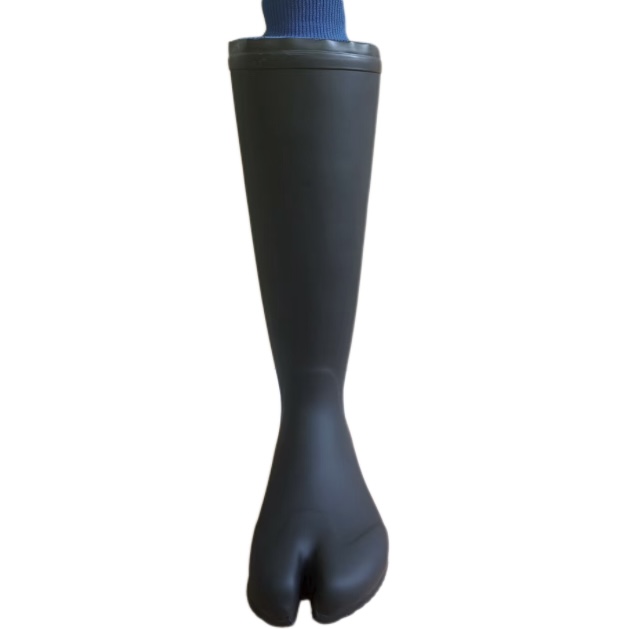
2. Product and Process Principle
Latex used in ankle boots is a flexible, water-resistant material derived from natural rubber, formulated to balance durability and comfort. Unlike rigid PVC, natural latex exhibits higher elasticity, which allows the boot to conform to the foot shape while maintaining a watertight seal at the collar. The manufacturing process for modern latex ankle boots often uses seamless injection molding to eliminate potential leak points, unlike older vulcanized processes that can create weak seams.
Professional Rain Boot Manufacturer emphasize that compound formulation is critical to boot performance: latex blends with additives for UV resistance, flexibility in low temperatures, and resistance to minor abrasions from sidewalk debris. The shaft height, typically 5 to 7 inches for ankle styles, is calibrated to cover the ankle bone without restricting movement, making it suitable for both walking and casual wear. Outsole design uses a subtle lug pattern optimized for grip on smooth, wet concrete, rather than deep treads suited for muddy terrain.
3. Practical Solutions and Operation Steps
When selecting fashionable women's latex ankle boots for daily use, follow these concrete steps to match style and function to specific needs. First, confirm material composition: look for 100% natural latex instead of latex-coated fabric, as coated versions can allow water penetration over time. Measure foot size at the end of the day, when feet are slightly swollen, to ensure a snug fit without tightness around the instep.
Second, assess outsole characteristics: test slip resistance by pressing the sole firmly against a smooth, wet surface; a boot suitable for urban commutes will show consistent grip without sliding. Third, evaluate lining: lightweight, moisture-wicking fabric linings prevent sweat buildup during long walks, avoiding the dampness that causes discomfort. Finally, check design features: a short shaft is ideal for casual outings, while a slightly reinforced toe edge extends the boot’s lifespan without adding excess bulk.
- Step 1: Confirm latex material is solid (not coated) to ensure waterproof performance for daily use.
- Step 2: Measure foot size at the end of the day to select a size that accommodates swelling without slippage.
- Step 3: Test outsole grip on a wet indoor tile surface before purchase to confirm suitability for commutes.
- Step 4: Avoid boots with overly thick soles, as they can make walking on subway transfers feel unstable.
- Step 5: Select a matte or slightly glossy latex finish that works with both dressy casual and everyday outfits.
4. Daily Maintenance and Precautions
Proper care extends the lifespan of fashionable women's latex ankle boots, with specific steps tailored to their material and use. After each wear, wipe the outer surface with a damp cloth to remove dirt or rain residue, avoiding rough scrubbing that can scratch the latex. Air the boots upside down at room temperature for 24 hours after use, inserting newspaper inside to absorb moisture and prevent odor buildup.
Key precautions include avoiding long-term exposure to direct sunlight, which can cause latex to become brittle and discolored over time. Do not place boots near radiators or other high-heat sources, as extreme heat can warp the shaft and break the material’s flexible structure. Never use harsh chemical cleaners like bleach or ammonia, as these degrade latex and create visible damage. Additionally, latex ankle boots are not designed for extreme heavy use, such as hiking or industrial work, so avoid wearing them in deep mud or standing water for extended periods.
5. Industry Standard and Parameter Reference
ParameterRecommended ReferenceWhy It Matters
Slip resistance for urban footwearEN ISO 20347:2022+A1:2024, Category SRAEvaluates grip on smooth ceramic surfaces, relevant for wet sidewalk and subway floor use.
Footwear waterproofness testISO 20344:2021, Method 7.3 WaterproofnessAssesses resistance to water penetration after 10 minutes of submersion, suitable for commuting scenarios.
Flexibility in low temperaturesISO 20344:2021, Method 5.1 Low Temperature FlexibilityTests material performance at -10°C, ensuring boot function in cool, damp seasonal weather.
Abrasion resistanceISO 20344:2021, Method 5.11 Abrasion ResistanceMeasures material durability from sidewalk contact, relevant for daily wear.
Standard performance tests for footwear must be conducted by accredited testing bodies to verify claims. For casual ankle boots designed for urban use, Category SRA slip resistance under EN ISO 20347 provides sufficient grip for most commute and casual scenarios. Waterproofness testing under ISO 20344 ensures the boot will remain dry during short exposure to rain, which is typical for daily travel rather than extended standing in deep water.
6. Customer Common FAQ
Q: How do I tell if my fashionable latex ankle boots are properly waterproof?
A: Conduct a simple at-home test by filling the boot with water to the midshaft, then leaving it upright for 10 minutes. Check the inner lining for any moisture. For formal verification, accredited labs use ISO 20344 Method 7.3 to test waterproofness under controlled conditions.
Q: Can I wear latex ankle boots in temperatures below freezing?
A: Latex material retains flexibility down to approximately -10°C, per ISO 20344 low temperature testing. For sustained temperatures below that, choose boots formulated with additional polymer additives for improved cold resistance, or layer warmer socks underneath.
Q: Why do my new latex ankle boots have a slight chemical smell?
A: New rubber-based footwear often has a minor processing odor, which typically dissipates after 3 to 5 days of airing in a well-ventilated area. Professional Rain Boot Manufacturer note that using a small amount of baking soda inside the boot overnight can accelerate odor removal.
Q: How do I clean stains from colored latex boots without damaging the finish?
A: Mix mild dish soap with warm water, then gently wipe stains with a soft cloth. Avoid scrubbing aggressively, as this can scratch the latex surface. For tough marks, use a small amount of rubber-specific cleaner, following product instructions carefully.
Q: Should I size up in latex ankle boots for thick socks in winter?
A: Measure foot size with the socks you plan to wear, as latex boots stretch slightly with use. If wearing thick winter socks, select a size that leaves approximately half an inch of space between the toe and the boot’s front to avoid discomfort during walks.
Conclusion
Fashionable women's latex ankle boots balance style and practicality for urban commutes and casual outings through careful material formulation, seamless construction, and optimized design features. Key factors like solid latex material, urban-specific slip resistance, and lightweight construction address common pain points of bulk or poor waterproof performance. By following simple selection, care, and maintenance steps, these boots offer reliable functionality for seasonal weather without sacrificing style. Professional Rain Boot Manufacturer recommends prioritizing boots that meet relevant industry standards to ensure consistent performance for regular daily use.
References
- European Committee for Standardization. (2024). EN ISO 20347:2022+A1:2024 Occupational Footwear. Brussels: CEN.
- International Organization for Standardization. (2021). ISO 20344:2021 Footwear – Test Methods for Footwear. Geneva: ISO.
- International Organization for Standardization. (2021). ISO 20347:2021 Occupational Footwear. Geneva: ISO.