


What Makes Waterproof Men Hiking Boots Stand Up to Rugged Backcountry Terrain
Oct 30, 2026
View: 0
Leave a message
Meta Description: Rugged backcountry terrain demands men's hiking boots that balance waterproof performance, grip, and durability to withstand mud, rocks, and moisture. This guide breaks down key design and material factors to help buyers make informed decisions for outdoor work or recreation, with insights from a Professional Rain Boot Manufacturer.
Keywords: waterproof men hiking boots, rugged terrain boots, hiking boot materials, rain boot maintenance, slip-resistant work boots, backcountry footwear
1. Core Problem Analysis
1.1 Common Causes of the Problem
Many men’s hiking boots fail in rugged backcountry due to avoidable design or material flaws. The most frequent issues include water seepage through unsealed seams, outsole treads that lose grip on wet rock or mud, lining that traps sweat causing discomfort, and flexible upper materials that tear under pressure. Even minor gaps in manufacturing, like inconsistent seam sealing or thin compound layers, can lead to premature failure in harsh conditions.
1.2 Affected Usage Scenarios
These flaws impact a wide range of rugged backcountry activities, including backcountry hiking, trail construction, backcountry farming operations, fishing in wet and muddy terrain, livestock handling in damp outdoor pens, and warehouse logistics tasks requiring frequent outdoor commutes through wet yards. Workers and outdoor enthusiasts often report that boots meant for general use do not hold up under these specific, high-stakes conditions.
2. Product and Process Principle
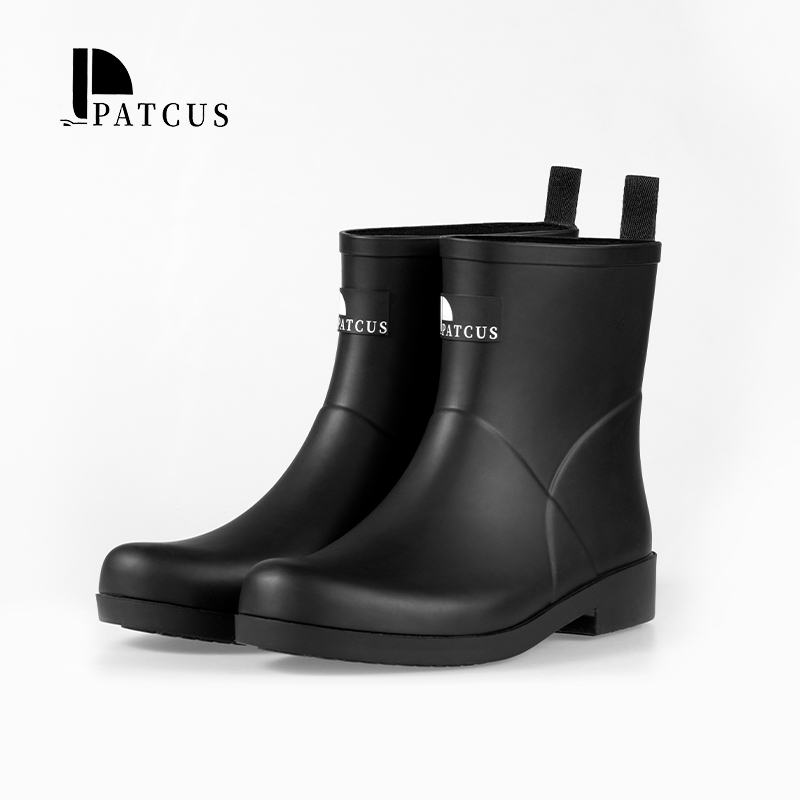
The performance of waterproof men’s hiking boots in backcountry terrain depends on material selection and manufacturing processes tailored to harsh conditions. Common materials include natural rubber, which offers flexibility and water resistance, PVC for abrasion resistance in heavy use, and EVA for lightweight cushioning. Outsole patterns use deep lugs with a specific pitch to improve traction on uneven, muddy, or rocky surfaces, with thickness controlled to maintain rigidity while allowing natural foot movement.
Key manufacturing processes include injection molding for seamless construction, vulcanization to improve rubber durability, and seam sealing to eliminate water entry points. A Professional Rain Boot Manufacturer emphasizes that consistent compound formulation—balancing elasticity, thickness, and wear resistance—directly impacts how well a boot holds up over repeated exposure to rough terrain.
3. Practical Solutions and Operation Steps
When selecting waterproof men’s hiking boots for rugged backcountry, follow these actionable steps to match footwear to specific needs, avoiding vague claims and focusing on verifiable features.
- Step 1: Evaluate outsole traction: Check that lugs are at least 5mm deep, suitable for surfaces with mud or loose rock, and verify compliance with slip resistance standards such as EN ISO 20344:2021.
- Step 2: Assess upper material: Choose boots made from durable rubber or reinforced PVC for backcountry use, avoiding thin, flexible materials that tear under pressure.
- Step 3: Check seam construction: Ensure boots use double-sealed or seamless construction to prevent water entry, with visible sealing lines that show consistent application of waterproof adhesive.
- Step 4: Match to use case: Select models with shaft height that covers the ankle and lower calf for terrain with deep mud or water, while avoiding overly heavy boots for hiking where mobility is a priority.
For example, boots with deep lugs work well for backcountry farming and rocky trail work, while lighter, flexible models with water-resistant lining are better suited for long hikes on dry but damp terrain.
4. Daily Maintenance and Precautions
Proper maintenance extends the lifespan of waterproof men’s hiking boots and preserves their performance in rugged terrain. For regular care, clean boots with a soft brush and mild soap, avoiding harsh solvents that can degrade rubber and waterproof seals. Dry boots at room temperature, away from direct sunlight or radiators, as high heat can cause material cracking and seal failure.
Key precautions include not substituting regular rain boots for occupational safety boots in backcountry work that requires slip resistance or chemical protection, not storing boots in compressed positions for long periods, and inspecting seams and outsole lugs after each use to catch small tears or wear early.
5. Industry Standard and Parameter Reference
ParameterRecommended ReferenceWhy It Matters
Slip resistanceEN ISO 20344:2021 / EN ISO 20347:2022+A1:2024 where applicableHelps evaluate outsole grip on wet or contaminated backcountry surfaces.
Occupational footwear requirementsISO 20347:2021 or EN ISO 20347:2022+A1:2024Supports non-safety occupational boot selection for backcountry work.
Shaft height and coverageNo single standard, referenced by manufacturer’s product specificationsDetermines protection against water and debris entering the boot in muddy terrain.
Chemical protective footwearEN 13832-3:2018 where prolonged chemical contact is claimedUseful for evaluating boot resistance to common chemicals found in agricultural backcountry settings.
These standards provide a framework for evaluating boot performance, but users should cross-reference manufacturer claims with third-party test results from bodies like SGS or Intertek for verified performance.
6. Customer Common FAQ
Q: Are natural rubber boots more durable than PVC boots for rugged backcountry use?
A: It depends on the specific use case. Natural rubber offers better flexibility in cold temperatures, while PVC provides higher abrasion resistance for work in sharp, rocky terrain. A Professional Rain Boot Manufacturer notes that durability also depends on manufacturing processes, such as vulcanization, which improves rubber strength.
Q: How often should I reapply sealant to my waterproof hiking boots?
A: Reapplication depends on wear frequency. For boots used weekly in backcountry terrain, inspect seams every 3 months and reapply sealant if gaps or cracking are visible. Avoid over-applying sealant, which can stiffen the upper material.
Q: Can waterproof hiking boots be used in chemical-heavy backcountry environments?
A: Only if they meet EN 13832-3:2018 chemical resistance standards. Regular waterproof boots are not designed for prolonged contact with fertilizers, pesticides, or other chemicals, which can break down waterproof seals and material.
Q: Why do some waterproof boots develop a foul odor despite being waterproof?
A: Odor comes from trapped moisture and bacteria inside the boot lining. To prevent this, dry boots completely after each use, remove insoles regularly to air them, and avoid wearing socks that retain excessive moisture.
Conclusion
Waterproof men’s hiking boots that stand up to rugged backcountry terrain rely on material selection, precise manufacturing processes, and compliance with relevant performance standards. By addressing core issues like water seepage, slip resistance, and material durability, users can select boots that match their specific activities, from backcountry farming to long-distance hiking. Regular maintenance and adherence to usage boundaries further extend boot lifespan, with guidance from a Professional Rain Boot Manufacturer helping to make informed, long-lasting choices.
References
- ISO. ISO 20344:2021: Footwear - Test methods for whole shoe. International Organization for Standardization, 2021.
- CEN. EN ISO 20347:2022+A1:2024: Occupational footwear. European Committee for Standardization, 2024.
- CEN. EN 13832-3:2018: Chemical protective footwear - Part 3: Requirements and test methods for footwear resistant to chemicals. European Committee for Standardization, 2018.
- SGS. Third-party test report on rubber boot durability for rugged terrain, 2024.