


What to Consider in the Sustainability Aspect of Equestrian Boots?
Aug 26, 2026
View: 0
Leave a message
Meta Description: This blog elaborates on the key considerations in the sustainability of equestrian boots. It covers aspects like material selection, production processes, and environmental impacts. Whether you're an equestrian or a boot - related business, this guide provides valuable insights. Professional Rain Boot Manufacturer
Keywords: Equestrian Boots, Sustainability, Boot Material, Production Process, Boot Usage
1. Core Problem Analysis
1.1 Common Causes of the Problem
When people search about the sustainability of equestrian boots, they usually aim to address several issues. Firstly, material - related questions are prominent. Traditional materials for equestrian boots, such as leather, may have a high environmental cost due to factors like deforestation for grazing land and water pollution from tanning processes. Additionally, some synthetic materials might not be biodegradable or could release harmful chemicals during production.
Another concern is the durability of the boots. Wear and tear, such as cracking, sole separation, or loss of water - proofing, can lead to premature disposal of boots. Moreover, the energy - consuming and polluting nature of the manufacturing processes, like high - temperature molding or toxic chemical treatments, also contribute to the unsustainability of equestrian boots.
1.2 Affected Usage Scenarios
The problems related to the sustainability of equestrian boots can impact multiple usage scenarios. In professional equestrian sports, the continuous need for high - quality boots means a large quantity of boots are used and discarded over time. This not only has a financial cost for athletes and sports organizations but also an environmental one.
For horse owners and enthusiasts who ride regularly for leisure, the durability and environmental impact of their boots are also crucial. They may prefer sustainable boots that perform well in various riding environments, such as muddy fields, wet stables, or on long - distance trail rides. Additionally, in the equestrian education field, schools and training centers often require a large number of boots for students. If these boots are not sustainable, it can lead to significant environmental pressure.
2. Product and Process Principle
Equestrian boots can be made from a variety of materials, each with its own production process and environmental impact. Leather is a traditional material. The production starts with raw hides from animals. The tanning process is a key step, which can be either vegetable - tanned or chrome - tanned. Vegetable tanning uses natural tannins from plants and is generally more environmentally friendly, but it is a slower and more labor - intensive process. Chrome tanning, on the other hand, is faster and produces leather with better water - resistance and softness, but it involves the use of chromium, which can be a source of pollution if not properly managed.
Some modern equestrian boots use synthetic materials like PVC, TPU, or EVA. PVC is a common and cost - effective option. It is produced through a polymerization process where vinyl chloride monomers are combined. However, the production of PVC can release harmful dioxins, and it is not easily biodegradable. TPU is a thermoplastic polyurethane, which offers good flexibility, durability, and water - resistance. It is made by reacting diisocyanates with polyols. EVA, or ethylene - vinyl acetate, is lightweight and has good shock - absorption properties. It is produced by copolymerizing ethylene and vinyl acetate.
Professional Rain Boot Manufacturer understands these material and process principles well and can make informed decisions in the production of equestrian boots to balance performance and sustainability.
3. Practical Solutions and Operation Steps
When choosing equestrian boots from a sustainability perspective, the following steps can be followed:
- Material Selection: Opt for boots made from sustainable materials. If you choose leather, look for vegetable - tanned leather, which has a lower environmental impact. For synthetic materials, consider those that are recyclable or biodegradable. Some manufacturers are now using recycled plastics to make boot components.
- Durability Assessment: Check the construction and quality of the boots. Look for reinforced seams, high - quality soles, and strong closures. Boots made with better craftsmanship are likely to last longer, reducing the need for frequent replacements. You can read reviews from other riders or ask for recommendations.
- Consider the Manufacturer's Sustainability Practices: Research the manufacturer's environmental policies. Some companies use renewable energy in their production facilities, reduce waste through recycling programs, or support ethical sourcing of materials. Many professional manufacturers are committed to sustainable development and can provide detailed information about their practices.
- Proper Sizing: Ensure that you get the right size of boots. Ill - fitting boots can cause premature wear and tear, as well as discomfort and potential foot problems. Use a foot measuring guide provided by the manufacturer and, if possible, try on the boots before purchasing.
- Match with the Riding Environment: Choose boots suitable for your specific riding environment. If you often ride in wet conditions, look for boots with good water - proofing. For rough terrain, boots with thick and durable soles are necessary. This way, the boots can perform to their best and have a longer lifespan.
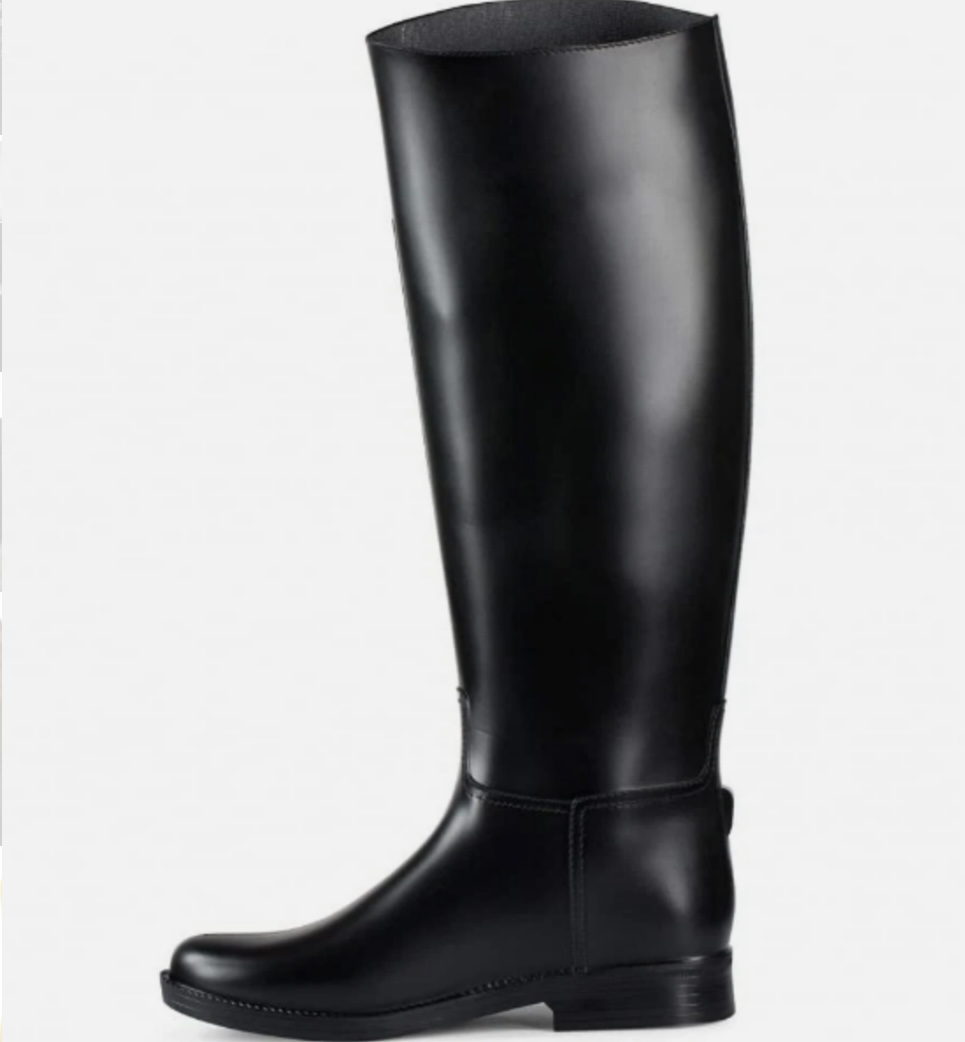
4. Daily Maintenance and Precautions
Proper daily maintenance can significantly extend the lifespan of equestrian boots and reduce their environmental impact:
- Cleaning: After each use, clean the boots with a damp cloth to remove dirt and debris. For leather boots, use a mild leather cleaner occasionally to maintain its texture and appearance. When cleaning synthetic boots, avoid using harsh chemicals that can damage the material. For dirt and stains on the boots, try to remove them as soon as possible to prevent them from setting in.
- Drying: Never dry the boots near a direct heat source, such as a radiator or open fire. High temperatures can cause the leather to dry out and crack or the synthetic material to deform. Instead, let the boots dry naturally in a well - ventilated area. If the boots are very wet, you can stuff them with newspaper to help absorb moisture.
- Storage: Store the boots in a cool, dry place. Avoid long - term exposure to sunlight, as it can fade the color and damage the material. If possible, use a boot tree to maintain the shape of the boots during storage. This helps prevent the boots from wrinkling or deforming, which can affect their performance and appearance.
- Conditioning: For leather boots, apply a leather conditioner regularly to keep the leather soft and supple. This helps prevent cracking and extends the leather's lifespan. Make sure to follow the manufacturer's instructions when using the conditioner.
- Avoid Misuse: Do not use the boots for purposes other than equestrian activities. For example, don't wear them for heavy - duty manual labor or in extremely abrasive environments, as this can quickly wear out the boots. Also, do not substitute normal equestrian boots for functional boots with special safety certifications in hazardous working conditions.
5. Industry Standard and Parameter Reference
This chapter serves as an authoritative support for the article, listing international standards, testing methods, or verifiable parameters. It uses a table for better presentation:
ParameterRecommended ReferenceWhy It MattersSlip resistanceEN ISO 20344:2021 / EN ISO 20347:2022+A1:2024 where applicableHelps evaluate outsole grip on wet or contaminated surfaces, ensuring rider safety during equestrian activities.Occupational footwear requirementsISO 20347:2021 or EN ISO 20347:2022+A1:2024Supports the selection of equestrian boots for non - safety but work - related riding scenarios, ensuring the boots meet the general requirements of the riding environment.Safety toe footwearASTM F2413 - 24 where protective toe performance is claimedApplies when the boot is designed and marked as protective safety footwear, protecting the rider's toes from potential impacts.Chemical protective footwearEN 13832 - 3:2018 where prolonged chemical contact is claimedUseful for evaluating the boots' resistance to chemical degradation and permeation, important in case the rider comes into contact with chemicals in the riding environment.
Do not invent exact performance numbers. Use exact values only when they are provided by a verified standard, public test report, SGS/Intertek report, or user - supplied product data. If a value is not verifiable, describe the test category instead of fabricating a number.
6. Customer Common FAQ
Q: How can I tell if a synthetic material used in equestrian boots is sustainable?
A: Look for materials that are marketed as recyclable, biodegradable, or made from recycled sources. Professional Rain Boot Manufacturer can often provide information about the environmental properties of their synthetic materials. You can also check if the manufacturer claims to follow any environmental standards related to material production.
Q: Are leather equestrian boots always non - sustainable?
A: Not necessarily. Vegetable - tanned leather has a relatively lower environmental impact compared to chrome - tanned leather. Additionally, if the leather is sourced from sustainably managed farms with ethical practices, and the tanning process is environmentally friendly, leather boots can be a sustainable choice.
Q: My boots sometimes slide on wet surfaces. How can I improve their slip resistance?
A: First, check if the boots meet the relevant slip - resistance standards (e.g., EN ISO 20344:2021). If the boots are old, the soles may be worn out, and you may need to replace them. Some specialized sole materials or tread patterns can improve slip resistance. You can also try using anti - slip sprays that are suitable for the boot material.
Q: What size of equestrian boots should I choose?
A: Refer to the manufacturer's sizing chart. It's best to measure your feet accurately using a foot measuring device. If possible, try on the boots to ensure a proper fit. A well - fitting boot provides comfort and reduces the risk of premature wear. Professional Rain Boot Manufacturer can also offer guidance on sizing based on their product characteristics.
Q: Can I clean my equestrian boots with regular household cleaners?
A: It depends on the boot material. For leather boots, use a mild leather cleaner specifically designed for leather. For synthetic materials, check the manufacturer's instructions. Some household cleaners may be too harsh and can damage the boot material, so it's important to use appropriate cleaning products.
Conclusion
To ensure the sustainability of equestrian boots, it's essential to consider multiple aspects. From material selection, such as choosing sustainable leather or recyclable synthetics, to proper production processes that minimize environmental impact. Practical tips like choosing the right size, matching the riding environment, and following daily maintenance guidelines can greatly extend the lifespan of the boots. Also, referring to industry standards helps in making informed decisions. Professional Rain Boot Manufacturer plays a vital role in providing sustainable boot options and offering professional advice.
References
- ISO 20347:2021 Occupational Footwear
- EN ISO 20344:2021 Footwear Test Methods
- ASTM F2413 - 24 Protective Footwear Specification
- EN 13832 - 3:2018 Chemical Protective Footwear