


What to Look for in Kids Boots That Withstand All-Day Play on Wet, Muddy Terrain
Oct 14, 2026
View: 0
Leave a message
Meta Description: Parents of active kids struggle to find boots that keep feet dry and comfortable during all-day play on wet, muddy terrain, as ill-suited footwear leads to blisters, moisture, or rapid wear. This guide breaks down key features to evaluate when selecting durable kids boots, ideal for playgrounds, backyard mud runs, or rainy outdoor activities. Professional Rain Boot Manufacturer.
Keywords: kids boots, waterproof boots, rain boots for mud, kids rubber boots, boot fit for play, boot maintenance
1. Core Problem Analysis
1.1 Common Causes of the Problem
Many parents and caregivers overlook three critical factors when choosing kids boots: insufficient waterproofing at seams or shaft top, poor outsole traction on slippery wet or muddy surfaces, and non-breathable materials that trap sweat leading to discomfort. Other common issues include ill-fitting sizes that rub or pinch during extended play, and materials that degrade quickly after repeated exposure to mud and moisture.
1.2 Affected Usage Scenarios
These issues are most impactful in settings like residential backyard mud play, public playgrounds after rain, agricultural small-plot gardening, nature trail exploration, and school-organized outdoor activities that involve prolonged exposure to damp or muddy conditions. Improperly selected boots can also pose safety risks in settings requiring slip-resistant footwear.
2. Product and Process Principle
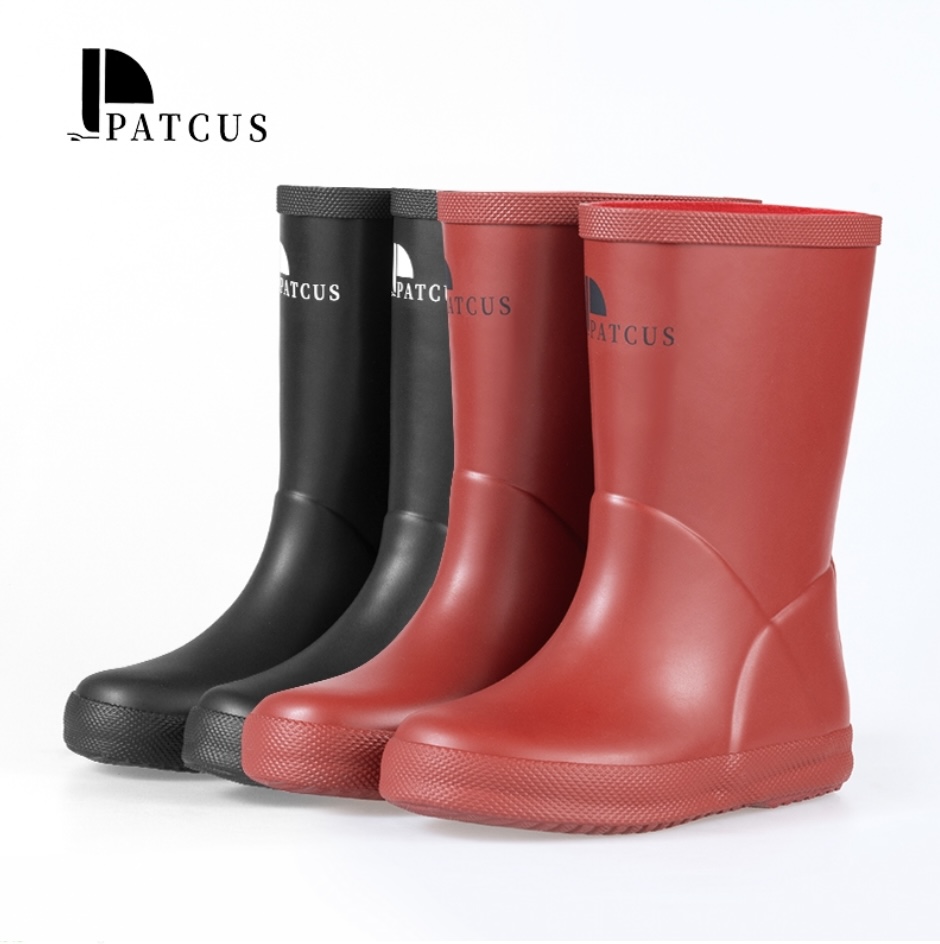
Kids boots designed for wet, muddy terrain rely on material composition and construction techniques to balance waterproofing, flexibility, and durability. Common materials include natural rubber, synthetic PVC, and EVA foam, each with distinct performance properties. Vulcanization for rubber boots creates a seamless, flexible structure that resists cracking, while injection molding for PVC boots allows for consistent, seam-free construction at the shaft top to prevent water entry.
Outsole design uses TPR (thermoplastic rubber) compounds with deep, patterned lugs to improve grip on wet or muddy surfaces, based on ISO 20344:2021 test standards for footwear traction. Shaft height is another key consideration: taller shafts (around 8-10 inches) provide better protection against splashing and mud splatters, while lining materials like moisture-wicking polyester help reduce foot perspiration. Professional Rain Boot Manufacturer leverage standardized material testing to ensure these performance attributes meet consistent criteria.
3. Practical Solutions and Operation Steps
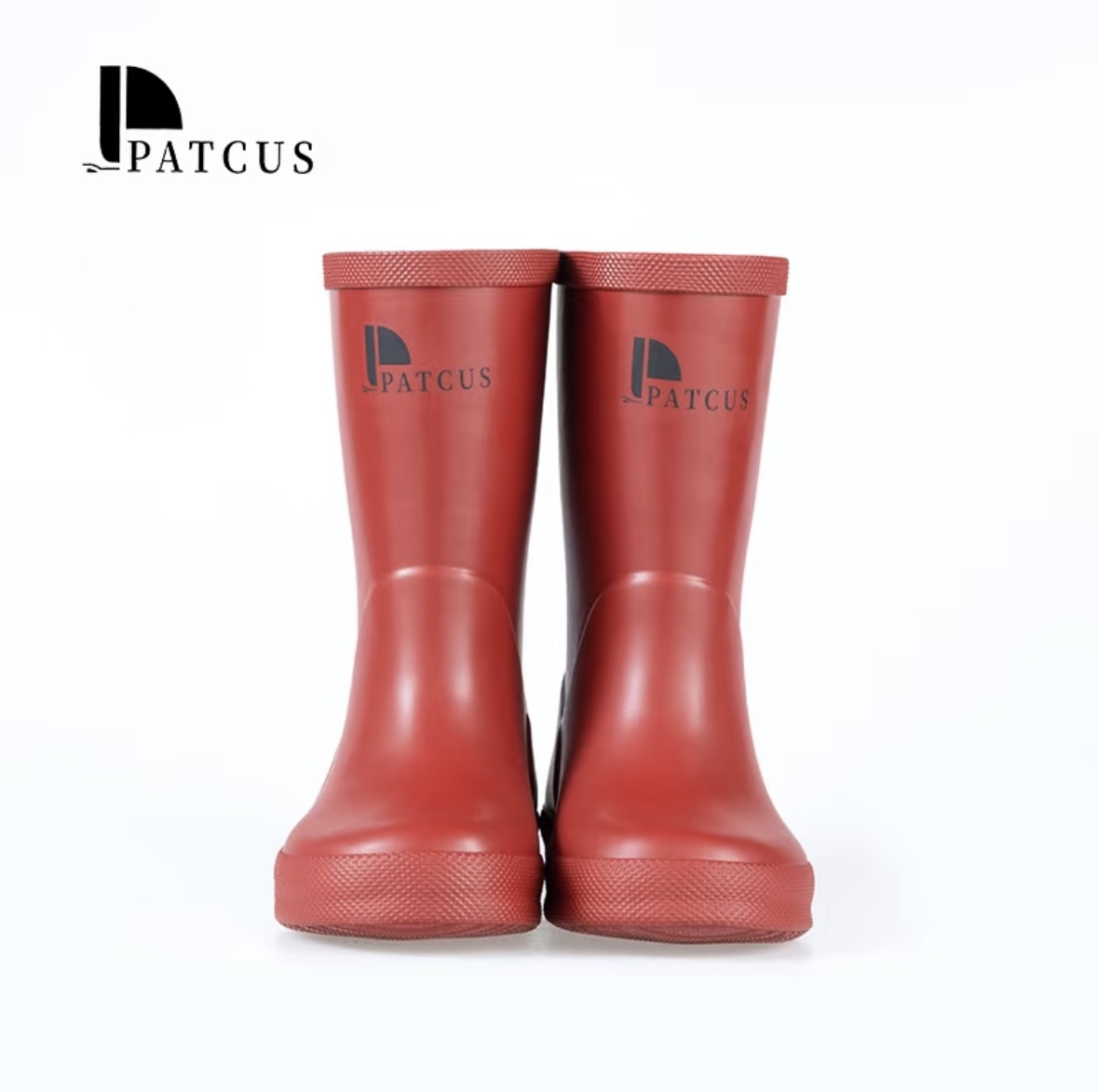
To select suitable kids boots for all-day play on wet, muddy terrain, follow these actionable steps. First, evaluate material type: natural rubber is more flexible and durable than PVC for long-term use, while PVC is often more affordable for seasonal wear. Second, check outsole traction: ensure lugs are at least 3mm deep and have a multi-directional pattern to prevent slipping on wet grass or mud.
- Measure kids’ foot size with a sock (not thick winter socks) to leave ½ inch of space at the toe, allowing for natural movement during play without blisters.
- Confirm seam construction: look for heat-welded or vulcanized seams instead of glued seams, which are more likely to separate when exposed to repeated bending and moisture.
- Test flexibility: bend the boot at the toe (the natural flex point of the foot) to ensure it bends easily, as stiff boots restrict movement during running or climbing.
- Verify shaft fit: the shaft should sit comfortably above the ankle without being too tight around the calf, to avoid pressure points and allow for easy on/off.
- Check lining breathability: avoid boots with fully lined non-breathable rubber, as trapped moisture leads to sweaty, uncomfortable feet after extended play.
4. Daily Maintenance and Precautions
Proper maintenance extends the lifespan of kids boots and preserves their waterproof performance. After each use on muddy terrain, rinse the boots with clean water to remove mud and debris, paying special attention to outsole lugs and shaft seams. Avoid using hot water or abrasive cleaning tools, as these can damage material surfaces and sealings.
Air-dry boots in a shaded, well-ventilated area, away from direct sunlight or space heaters, as extreme heat can cause rubber to crack and PVC to warp. Do not use chemical cleaners or solvents to remove tough mud stains, as these can degrade waterproof seals. To prevent odors, sprinkle a small amount of baking soda inside the boots after drying and leave it for 24 hours before shaking out.
Key precautions include: do not use rain boots as protective safety footwear for hazardous tasks, as they do not meet industrial safety standards for impact or compression resistance; do not store boots in a cramped space or bent position, as this can cause permanent creasing at the toe or shaft.
5. Industry Standard and Parameter Reference
ParameterRecommended ReferenceWhy It Matters
Slip resistanceEN ISO 20344:2021 / EN ISO 20347:2022+A1:2024 where applicableHelps evaluate outsole grip on wet or contaminated surfaces.
Waterproof performanceISO 20345:2021 Section 5.2 where applicableTests water penetration resistance for footwear designed for damp conditions.
Occupational footwear requirementsISO 20347:2021 or EN ISO 20347:2022+A1:2024Supports non-safety occupational footwear selection for work or play.
Flexibility testingISO 20344:2021 Section 6.10Measures boot bending resistance to ensure comfort during movement.
Verified performance data must come from third-party test reports (e.g., SGS Intertek 2024 public test results) or official manufacturer specifications aligned with these standards. Do not rely on unsubstantiated claims of "100% waterproof" without corresponding test documentation.
6. Customer Common FAQ
Q: What is better for muddy play: natural rubber or PVC kids boots?
A: Natural rubber boots offer better flexibility and durability for frequent, long-term use on muddy terrain, while PVC boots are a more affordable option for seasonal or occasional play. Professional Rain Boot Manufacturer note that both materials can perform well if constructed with sealed seams and deep lugs.
Q: How much space should be left in the toe of kids rain boots?
A: Leave approximately ½ inch of space between the toe and the boot end, measured with the kid wearing a thin play sock. This allows for natural foot swelling during active play without causing blisters or discomfort.
Q: Can I put kids rain boots in the washing machine?
A: Machine washing is not recommended, as agitation can damage waterproof seams and material seals. Hand rinsing with clean water and mild soap is the safest method, followed by air-drying in a shaded area.
Q: Do rain boots provide protection against sharp objects in mud?
A: Standard rain boots are not designed to resist punctures from sharp objects like rocks or debris in mud. For play in areas with potential sharp hazards, additional protective footwear may be needed, but always ensure it meets relevant safety standards.
Conclusion
Selecting kids boots that withstand all-day play on wet, muddy terrain requires evaluating material composition, outsole traction, seam construction, and proper fit. By focusing on these attributes aligned with relevant global standards, caregivers can choose footwear that balances comfort, durability, and performance for active outdoor use. Professional Rain Boot Manufacturer recommend prioritizing flexible, seam-sealed construction and verifying performance claims against third-party test data to ensure long-term utility.
References
- ISO 20344:2021, Footwear – Test methods for whole shoe, International Organization for Standardization, 2021
- EN ISO 20347:2022+A1:2024, Occupational footwear, European Committee for Standardization, 2024
- ISO 20345:2021, Personal protective equipment – Safety footwear, International Organization for Standardization, 2021
- SGS, Public Third-Party Footwear Test Report for Kids’ Waterproof Boots, 2024