


Why Acid and Oil Resistant Safety Boots Are Essential in Chemical Manufacturing Plants
Aug 25, 2026
View: 0
Leave a message
Meta Description: In chemical manufacturing plants, acid and oil resistant safety boots are essential. They protect workers from chemical spills and oil hazards. This article delves into the core problems, product principles, solutions, maintenance, industry standards, and FAQs related to these boots. Professional Rain Boot Manufacturer can offer valuable insights into their production and selection.
Keywords: acid and oil resistant safety boots, chemical manufacturing, rain boots, rubber boots, boot maintenance, boot material, safety standards
1. Core Problem Analysis
1.1 Common Causes of the Problem
When searching for acid and oil resistant safety boots, users aim to address several critical issues. In chemical manufacturing plants, there is a high risk of exposure to various chemicals and oils. These substances can cause corrosion, damage to the boots, and even harm to the feet. For example, strong acids can eat through ordinary boots, leading to leaks and skin contact. Oils can also reduce the friction of the sole, increasing the risk of slips and falls. Additionally, the boots may face wear and tear due to the harsh working environment, such as rough surfaces and heavy machinery movement.
1.2 Affected Usage Scenarios
The affected usage scenarios mainly include chemical manufacturing plants, oil refineries, chemical laboratories, and other places where there is a risk of contact with acids and oils. In these environments, workers need to perform various tasks, such as handling chemicals, operating machinery, and cleaning the workplace. Acid and oil resistant safety boots are crucial to ensure their safety and comfort during work.
2. Product and Process Principle
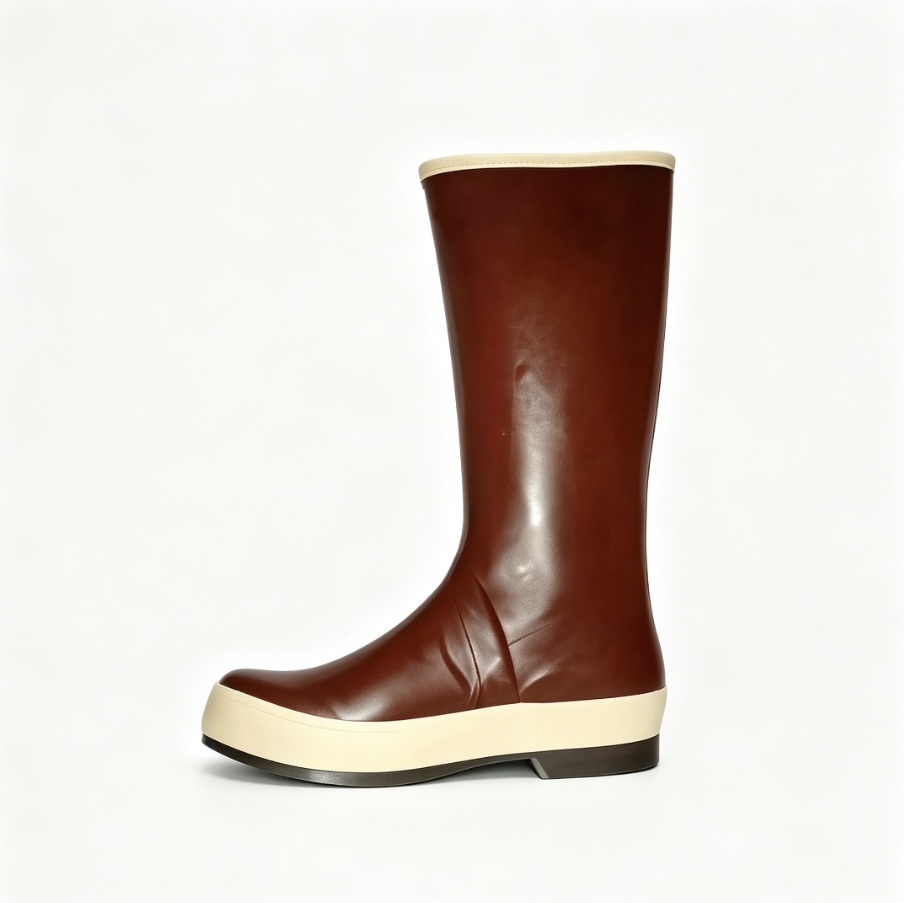
Acid and oil resistant safety boots are typically made of special materials and through specific processes. The main materials include rubber, PVC, and other synthetic materials. Rubber is a popular choice due to its excellent waterproof and chemical resistance properties. It can form a tight seal around the foot, preventing chemicals and oils from seeping in. PVC is also widely used because of its low cost and good chemical resistance. It is often used in combination with other materials to enhance the performance of the boots. In the manufacturing process, injection molding and vulcanization are commonly used techniques. Injection molding allows for the precise shaping of the boots, ensuring a proper fit. Vulcanization is a process that cross - links the rubber molecules, making the boots more durable and resistant to chemicals and heat. Professional Rain Boot Manufacturer has in - depth knowledge of these materials and processes, which can help in the production and selection of high - quality acid and oil resistant safety boots.
3. Practical Solutions and Operation Steps
When choosing acid and oil resistant safety boots, consider the following aspects:
- Material selection: Rubber boots are a good choice for high - level chemical resistance. PVC boots are more cost - effective for general chemical protection. For more extreme chemical environments, boots with special coatings or composite materials may be required.
- Shaft height: In chemical manufacturing plants, high - shaft boots are recommended to provide more protection for the lower legs. They can prevent chemicals from splashing onto the legs.
- Sole pattern: A deep and multi - directional sole pattern is essential for good traction on wet and oily surfaces. Look for patterns that can effectively channel away liquids and provide a firm grip.
- Lining: Choose a lining that is comfortable and resistant to chemicals. Some linings are designed to wick away moisture, keeping the feet dry and comfortable.
- Size: Ensure a proper fit. Boots that are too tight can cause discomfort and restrict blood circulation, while boots that are too loose may increase the risk of slipping and tripping.
- Certification: Check for relevant safety certifications, such as EN ISO 20344:2021, EN ISO 20347:2022 + A1:2024, and ASTM F2413 - 24. These certifications ensure that the boots meet certain safety standards.
4. Daily Maintenance and Precautions
Proper daily maintenance of acid and oil resistant safety boots is crucial to ensure their performance and longevity. Here are some suggestions:
- Cleaning: After use, clean the boots with mild soap and water. Avoid using strong solvents, as they can damage the boot material. For stubborn stains, use a soft brush to gently scrub the affected area.
- Drying: Allow the boots to dry naturally in a well - ventilated area. Do not expose them to direct sunlight or high - heat sources, as this can cause the material to crack and harden.
- Odor removal: To remove odors, you can place a small amount of baking soda inside the boots overnight. Then, shake out the baking soda the next day.
- Anti - aging: Store the boots in a cool, dry place away from sunlight and chemicals. You can also apply a protective coating to the boots to slow down the aging process.
- Anti - deformation: Avoid leaving the boots in a bent or compressed position for a long time. You can use boot trees to help maintain their shape.
- Chemicals contact: If the boots come into contact with chemicals, immediately rinse them with a large amount of water and follow the appropriate safety procedures. If the damage is severe, replace the boots.
It is important to note some pitfalls. Do not use ordinary rain boots in place of certified safety boots in chemical manufacturing plants. Do not expose the boots to high - temperature sources for a long time, as this can cause the material to lose its chemical resistance. Do not use abrasive cleaners, as they can scratch the surface of the boots and reduce their performance.
5. Industry Standard and Parameter Reference
This section provides important industry standards and parameter references for acid and oil resistant safety boots:
ParameterRecommended ReferenceWhy It MattersSlip resistanceEN ISO 20344:2021 / EN ISO 20347:2022 + A1:2024 where applicableHelps evaluate outsole grip on wet or contaminated surfaces.Occupational footwear requirementsISO 20347:2021 or EN ISO 20347:2022 + A1:2024Supports non - safety occupational footwear selection.Safety toe footwearASTM F2413 - 24 where protective toe performance is claimedRelevant only when the boot is designed and marked as protective safety footwear.Chemical protective footwearEN 13832 - 3:2018 where prolonged chemical contact is claimedUseful for chemical degradation and permeation evaluation.
Do not invent exact performance numbers. Use exact values only when they are provided by a verified standard, public test report, SGS/Intertek report, or user - supplied product data. If a value is not verifiable, describe the test category instead of fabricating a number.
6. Customer Common FAQ
Q: How do I choose the right material for acid and oil resistant safety boots?
A: It depends on the specific chemical environment. Rubber is suitable for high - level chemical resistance, while PVC is more cost - effective for general protection. Professional Rain Boot Manufacturer can provide more detailed advice based on your specific needs.
Q: Are these boots slip - resistant?
A: High - quality acid and oil resistant safety boots should meet the slip - resistance standards such as EN ISO 20344:2021 or EN ISO 20347:2022 + A1:2024. You can check the product certification to ensure their slip - resistance performance.
Q: How do I determine the right size of the boots?
A: It is best to try on the boots. Make sure there is enough room for your toes to move freely and that the boots fit snugly around your ankles. If you are ordering online, refer to the manufacturer's size chart.
Q: Do these boots have a strong odor?
A: Some boots may have a slight odor when new, especially those made of rubber. You can air them out in a well - ventilated area for a few days to reduce the odor.
Q: Can I use these boots in low - temperature environments?
A: The performance of the boots in low - temperature environments depends on the material. Some materials may become hard and brittle in cold weather, reducing their flexibility and chemical resistance. Check the product specifications for the recommended temperature range.
Conclusion
In conclusion, acid and oil resistant safety boots are essential in chemical manufacturing plants. Understanding the core problems, product and process principles, practical solutions, daily maintenance, industry standards, and common FAQs can help users make informed decisions. Professional Rain Boot Manufacturer can offer valuable expertise in the production and selection of these boots, ensuring that workers are well - protected in harsh chemical environments.
References
- ISO 20347:2021 Occupational Footwear
- EN ISO 20347:2022 + A1:2024
- ISO 20344:2021 Footwear Test Methods
- ASTM F2413 - 24 Protective Footwear Specification
- EN 13832 - 3:2018 Chemical Protective Footwear