


Why Anti-static Work Boots are a Must-Have in High-Static Industries
Sep 17, 2026
View: 0
Leave a message
Meta Description: This blog answers why anti-static work boots are essential in high-static industries. It's suitable for professionals in industrial production, safety management, and procurement. Here, we will introduce the product knowledge, principles, and usage advice, guiding you to make better choices. Professional Rain Boot Manufacturer.
Keywords: anti-static work boots, high-static industries, rain boots, waterproof boots, rubber boots, work boot selection, boot maintenance
1. Core Problem Analysis
1.1 Common Causes of the Problem
When professionals search for anti-static work boots in high-static industries, they are often looking to address various issues. Static electricity in high-static industries can come from equipment operation, friction, and other sources. Normal boots may accumulate static electricity, which can lead to a series of hazards. For example, in industries with flammable and explosive substances, static electricity discharge may cause fires or explosions. Moreover, static electricity can also cause discomfort to the human body, affect the normal operation of electronic equipment, and reduce work efficiency. Therefore, the need for anti-static work boots is mainly to eliminate static electricity and ensure work safety and comfort.
1.2 Affected Usage Scenarios
Work scenarios prone to static buildup are widespread. In petrochemical industries, such as oil refineries and chemical plants, various flammable and explosive gases and liquids are present. Static electricity generated by workers' movements can pose a significant safety threat. In the electronics manufacturing industry, sensitive electronic components are easily damaged by static electricity. Workers in the coal mining industry may also be at risk due to the presence of coal dust and methane gas. Even in some textile and paper-making industries, high-speed machinery operation and fiber friction can generate a large amount of static electricity. In these scenarios, anti-static work boots are essential personal protective equipment.
2. Product and Process Principle
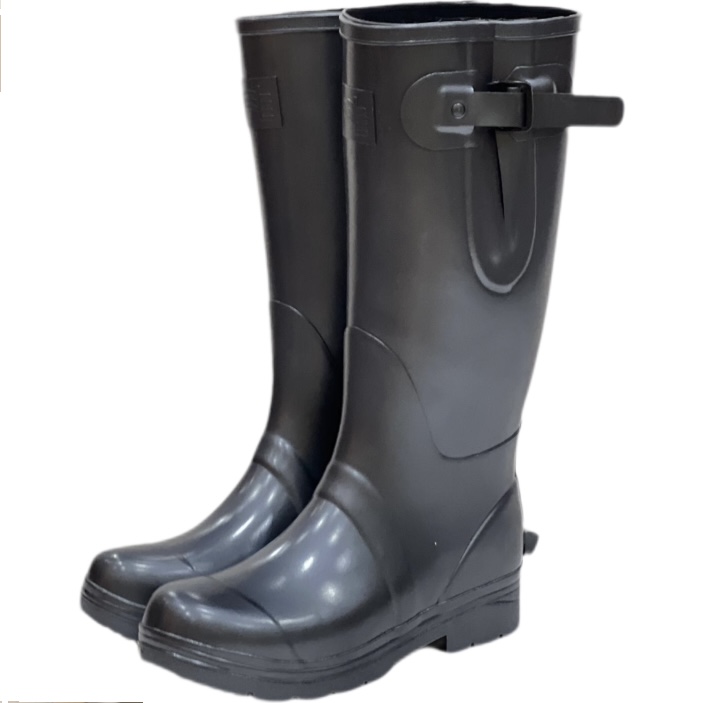
Anti-static work boots are typically made from materials such as rubber, PVC, or other polymers. The key to anti-static properties lies in the addition of anti-static agents during the production process. These agents can form a conductive network on the surface or inside the material, allowing static electricity to be quickly dissipated. For instance, in rubber boots, rubber has a certain degree of insulation. By adding conductive carbon black or other anti-static agents, it can effectively reduce the surface resistance of the boots, achieving anti-static effects. Manufacturers usually use compound formulation to ensure the boots meet anti-static requirements while maintaining their performance in other aspects, like durability and flexibility. The manufacturing processes of these boots, including injection molding and vulcanization, also play crucial roles in ensuring the quality and anti-static performance. Professional Rain Boot Manufacturer often uses advanced technology and strict quality control in these processes to ensure product performance.
3. Practical Solutions and Operation Steps
When choosing anti-static work boots, the following steps and considerations are recommended:
- Material Selection: Natural rubber boots offer excellent anti-static performance, elasticity, and wear resistance, and they are suitable for long-term or heavy-duty work. PVC boots are relatively lightweight and low-cost, with good chemical resistance, making them suitable for short-term or low-requirement work. Different anti-static agents also have an impact on boot performance, so ensure they meet relevant standards and requirements.
- Technical Parameters: According to GB 21148 - 2020 and relevant international standards, check the static dissipation performance of the boots. Usually, the surface resistance of anti-static work boots should be between 1×10⁵ - 1×10⁸Ω. Other parameters such as anti - slip, wear resistance, and puncture resistance should also be considered according to specific work requirements.
- Size and Fit: Ensure proper boot size. Boots that are too small can cause discomfort and affect blood circulation, while those that are too large can lead to instability. Consider the thickness of socks and the space for foot movement when choosing the size. For workers with wider feet, choose boots with a wider design.
- Certification and Testing: Opt for boots with recognized certifications, such as CE, OSHA, or other relevant industry certifications. These certifications ensure that the products meet safety and quality standards. Additionally, you can request suppliers to provide test reports to verify product performance.
4. Daily Maintenance and Precautions
Proper maintenance of anti-static work boots is crucial to ensure their long - term effectiveness:
- Cleaning: Regularly clean the boots. Remove dirt, dust, and other contaminants from the surface using a soft brush or cloth. For stubborn stains, use a mild detergent. Avoid using strong solvents as they may damage the anti-static material.
- Drying: After cleaning, dry the boots naturally. Avoid drying them in direct sunlight or near a high - temperature heat source, as this can cause the material to age and crack, affecting the anti - static performance.
- Storage: Store the boots in a cool, dry, and ventilated place. When not in use for an extended period, stuff the boots with paper or a shoe tree to maintain their shape.
- Avoid Prohibited Actions: Do not use anti-static work boots in environments beyond their rated specifications. For example, do not use ordinary anti-static boots in extremely high - temperature or highly corrosive environments. Do not use non - certified boots as substitutes for anti - static work boots.
5. Industry Standard and Parameter Reference
This section provides a table of international standards and relevant parameters for anti-static work boots:
ParameterRecommended ReferenceWhy It MattersAnti - static performanceGB 21148 - 2020, ASTM F2413 - 24 (when anti - static performance is specified)Ensures the boots can effectively dissipate static electricity and prevent static discharge from causing harm.Slip resistanceEN ISO 20344:2021 / EN ISO 20347:2022+A1:2024 where applicableHelps evaluate outsole grip on wet or contaminated surfaces, reducing the risk of slipping and falling.Occupational footwear requirementsISO 20347:2021 or EN ISO 20347:2022+A1:2024Supports non - safety occupational footwear selection, ensuring the boots meet basic occupational requirements.Safety toe footwearASTM F2413 - 24 where protective toe performance is claimedRelevant only when the boot is designed and marked as protective safety footwear, protecting toes from impact.Chemical protective footwearEN 13832 - 3:2018 where prolonged chemical contact is claimedUseful for chemical degradation and permeation evaluation, protecting feet from chemical damage.
6. Customer Common FAQ
Q: What materials are best for anti - static work boots?
A: Natural rubber and PVC are common materials for anti - static work boots. Natural rubber has excellent anti - static performance, elasticity, and wear resistance, while PVC is lightweight and cost - effective. The choice depends on specific work requirements. Professional Rain Boot Manufacturer can provide more professional material selection suggestions based on different work scenarios.
Q: How can I check if my anti - static work boots are still effective?
A: You can use a surface resistance tester to measure the surface resistance of the boots. It should be within the range specified in relevant standards, usually 1×10⁵ - 1×10⁸Ω. If the resistance value exceeds this range, the anti - static performance may be reduced.
Q: Can I wear anti - static work boots in any environment?
A: No. Anti - static work boots have specific usage boundaries. For example, they should not be used in extremely high - temperature, high - pressure, or highly corrosive environments that exceed their rated specifications. Check the product instructions and relevant standards for specific usage requirements.
Q: How often should I replace my anti - static work boots?
A: The replacement frequency depends on usage frequency, working environment, and boot quality. Generally, if there are obvious signs of damage, wear, or a significant decrease in anti - static performance, the boots should be replaced in a timely manner.
Conclusion
In summary, anti-static work boots are essential in high-static industries. They can effectively eliminate static electricity, prevent safety accidents, and protect workers from the harm of static electricity. When choosing anti-static work boots, consider factors such as material, technical parameters, size, and certification. Daily maintenance is also crucial to ensure the long - term effectiveness of the boots. Professional Rain Boot Manufacturer can provide reliable products and professional advice, helping you make the best choice according to your specific needs.
References
- GB 21148 - 2020, Individual Protective Equipment - Safety Shoes
- ASTM F2413 - 24, Standard Specification for Performance Requirements for Protective Footwear
- EN ISO 20344:2021, Footwear - Test Methods for Resistance to Characteristic Threats
- EN ISO 20347:2022+A1:2024, Safety Footwear
- EN 13832 - 3:2018, Protective Footwear Against Chemicals - Requirements and Test Methods