


Why Chef‑Spec Work Boots Suit Harsh Working Conditions in Food Processing Facilities
Aug 14, 2026
View: 0
Leave a message
Meta Description: Chef boots are specially designed to meet the demands of food - processing workplaces. This article delves into why they are ideal for such harsh conditions, exploring materials, design, and safety features. It's a guide for professionals in the food - processing industry and those interested in appropriate footwear. Professional Rain Boot Manufacturer
Keywords: Chef boots, Food processing, Rain boots, Waterproof boots, Rubber boots, Boot material, Boot safety
1. Core Problem Analysis
1.1 Common Causes of the Problem
When it comes to work boots for food - processing facilities, several issues are of concern. Firstly, food - processing environments often involve water, grease, and various chemicals. Regular boots may not have adequate waterproofing, leading to discomfort as feet can get wet, which can in turn cause blisters and fungal infections. Additionally, the presence of slippery substances on the floor makes a high - quality slip - resistant sole essential. Poorly designed soles can lead to slips and falls, resulting in workplace injuries. Another problem is the lack of resistance to chemicals used in cleaning and food processing. These chemicals can degrade the material of the boots over time, reducing their lifespan and compromising safety.
1.2 Affected Usage Scenarios
Chef boots are primarily designed for use in food - processing facilities. This includes commercial kitchens where food is prepared, cooked, and served. In slaughterhouses and meat - processing plants, boots are exposed to blood, water, and chemicals. Dairy farms also require suitable boots as workers are in contact with milk, water for cleaning, and manure. Seafood - processing units are another crucial scenario, where boots are constantly splashed with water, salt, and fish juices. These work environments demand boots that can withstand the harsh conditions and keep the wearer safe and comfortable.
2. Product and Process Principle
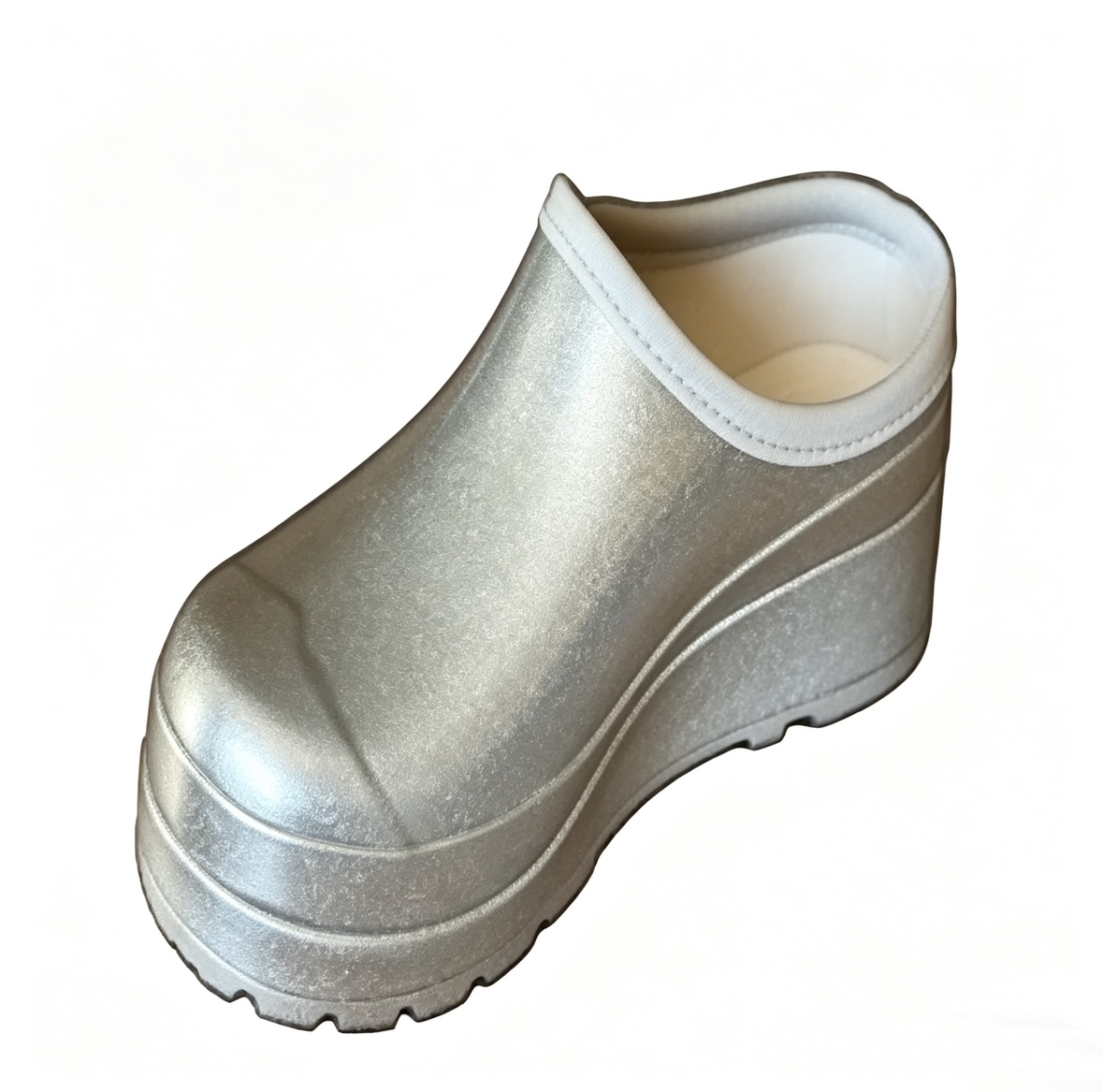
Chef boots are often made from materials such as rubber, PVC, and EVA. Rubber is a popular choice due to its excellent waterproofing properties and durability. Natural rubber offers high elasticity and good resistance to abrasion. Synthetic rubbers, like neoprene, are resistant to chemicals and oils, which are common in food - processing settings. PVC is another material used, known for its affordability and decent waterproofing. It can be easily molded into different shapes, allowing for a variety of boot designs. EVA is lightweight and has good shock - absorbing properties, providing comfort during long working hours.
The manufacturing process of chef boots includes multiple steps. In the raw material stage, the quality of the rubber or other materials is carefully selected. For rubber boots, the rubber is inspected for properties such as flexibility, strength, and resilience. Then, in the compounding step, additives are mixed with the raw rubber. These additives can include sulfur for vulcanization, which cross - links the rubber molecules, increasing its strength and stability. Other additives may include anti - oxidants to prevent aging, and colorants for aesthetic purposes.
After compounding, the rubber is often shaped through molding or extrusion. Molding involves pouring the rubber into a boot - shaped mold under high pressure and temperature. Extrusion is used to create tubular shapes, which can be further processed to form the boot. Once shaped, the boots undergo a vulcanization process. This process is crucial as it transforms the soft, sticky rubber into a hard, durable material. The vulcanization temperature and time are carefully controlled to ensure the best properties of the final product. Professional Rain Boot Manufacturer can use these processes to produce high - quality chef boots that meet the specific needs of food - processing environments.
3. Practical Solutions and Operation Steps
When selecting chef boots for food - processing facilities, several factors should be considered:
- Material Selection: For areas with high chemical exposure, choose boots made from chemical - resistant materials like neoprene or PVC. If comfort and flexibility are top priorities, natural rubber or EVA may be a better option.
- Height: In environments where there is a risk of liquid splashing, taller boots are preferred to keep the legs dry. However, if mobility is an issue, mid - calf or ankle - high boots can be chosen.
- Sole Pattern: Look for a sole with a deep, complex pattern. A pattern that can channel away water, grease, and other substances is ideal for preventing slips and falls. Soles with a herringbone or zig - zag pattern are often good choices.
- Lining: A breathable lining can keep feet dry and comfortable. Materials like moisture - wicking fabrics are recommended. Avoid boots with a lining that retains moisture.
- Size: Ensure the boots fit properly. They should not be too tight, as this can cause discomfort and restrict blood circulation. At the same time, they should not be too loose, as this can lead to blisters and compromised stability.
- Chemical Resistance: Check if the boots are resistant to the specific chemicals used in the food - processing facility. This information can often be obtained from the manufacturer's specifications.
- Slip Resistance: Look for boots that meet industry standards for slip resistance, such as EN ISO 20344:2021 or EN ISO 20347:2022+A1:2024. These standards help evaluate the outsole's grip on wet or contaminated surfaces.
When it comes to cleaning the boots, first remove any dirt or debris using a brush. Then, wash them with a mild detergent and warm water. Rinse thoroughly and let them air - dry away from direct sunlight to prevent damage to the material. For long - term storage, keep the boots in a cool, dry place. Stuff them with newspaper or a shoe tree to maintain their shape.
4. Daily Maintenance and Precautions
Daily maintenance of chef boots is essential to ensure their longevity and performance. After each use, clean the boots as described above. This helps prevent the build - up of dirt, chemicals, and bacteria. For drying, place the boots in a well - ventilated area. Do not dry them near a heater or in direct sunlight, as high temperatures can cause the material to crack, shrink, or lose its elasticity.
To prevent odor, sprinkle baking soda inside the boots and let it sit overnight before shaking it out. Baking soda helps absorb moisture and neutralize odors. It's also a good idea to rotate between multiple pairs of boots, allowing each pair time to dry out completely between uses.
There are several precautions to avoid. Do not use harsh chemicals or solvents to clean the boots, as they can damage the material. Avoid wearing boots that are damaged or worn out, as they may not provide adequate protection. Also, do not use regular rain boots in place of certified safety boots in areas where safety features such as toe protection are required. Lastly, protect the boots from sharp objects that can puncture them.
5. Industry Standard and Parameter Reference
This section provides key standards and parameters to consider when choosing chef boots:
ParameterRecommended ReferenceWhy It MattersSlip resistanceEN ISO 20344:2021 / EN ISO 20347:2022+A1:2024 where applicableHelps evaluate outsole grip on wet or contaminated surfaces, reducing the risk of slips and falls in food - processing facilities.Occupational footwear requirementsISO 20347:2021 or EN ISO 20347:2022+A1:2024Supports non - safety occupational footwear selection, ensuring that the boots are suitable for the work environment.Safety toe footwearASTM F2413 - 24 where protective toe performance is claimedRelevant only when the boot is designed and marked as protective safety footwear, providing protection against toe injuries.Chemical protective footwearEN 13832 - 3:2018 where prolonged chemical contact is claimedUseful for chemical degradation and permeation evaluation, ensuring the boots can withstand the chemicals used in the food - processing industry.
These exact values are based on internationally recognized standards. When choosing chef boots, always refer to these standards to ensure the safety and performance of the boots.
6. Customer Common FAQ
Q: What material is best for chef boots in a food - processing plant with a lot of chemicals?
A: For food - processing plants with high chemical exposure, materials like neoprene and PVC are recommended. Neoprene is resistant to chemicals and oils, while PVC is affordable and offers decent chemical resistance. A Professional Rain Boot Manufacturer can provide more detailed information on the suitability of different materials based on the specific chemicals in your facility.
Q: How can I tell if a boot is slip - resistant?
A: Look for boots that meet the EN ISO 20344:2021 or EN ISO 20347:2022+A1:2024 standards. These standards are used to evaluate the outsole's grip on wet or contaminated surfaces. You can also check the sole pattern; a deep and complex pattern that can channel away liquids is often an indicator of good slip resistance.
Q: What size chef boots should I choose?
A: Measure your feet accurately and refer to the manufacturer's size chart. The boots should fit snugly but not be too tight. It's important to have a little room in the toe area to wiggle your toes. If possible, try on the boots with the type of socks you'll be wearing at work.
Q: Why do my new chef boots smell?
A: New boots may have an odor due to the materials used in their production. To get rid of the smell, you can sprinkle baking soda inside the boots and let it sit overnight. Then, shake out the baking soda. Also, allow the boots to air - out in a well - ventilated area for a few days before wearing them.
Q: Can I use regular rain boots in a food - processing facility?
A: It depends on the specific requirements of your food - processing facility. Regular rain boots may not provide the necessary chemical resistance, slip resistance, or safety features. In areas where safety boots are required, such as those with toe protection, regular rain boots should not be used. A Professional Rain Boot Manufacturer can help you determine the most suitable boots for your workplace.
Conclusion
Chef boots are essential for workers in food - processing facilities. By understanding the core problems, such as waterproofing, slip resistance, and chemical resistance, and the product and process principles behind these boots, users can make informed decisions. The practical solutions and maintenance tips provided ensure the proper selection, use, and care of chef boots. It's important to refer to industry standards for key parameters. A Professional Rain Boot Manufacturer can offer valuable insights and high - quality products to meet the specific needs of food - processing workplaces.
References
- ISO 20344:2021, Footwear Test Methods
- EN ISO 20347:2022+A1:2024, Occupational Footwear
- ASTM F2413 - 24, Protective Footwear Specification
- EN 13832 - 3:2018, Chemical Protective Footwear