


Why Durable Garden Boots Are Ideal for Yard Maintenance & Outdoor Manual Labor
Aug 13, 2026
View: 0
Leave a message
Meta Description: This article delves into why durable garden boots are the best choice for yard maintenance and outdoor manual labor. It explores common problems, product and process principles, solutions, maintenance, industry standards, and frequently asked questions. Whether you're a professional in agriculture or an outdoor enthusiast, this guide offers valuable insights. Professional Rain Boot Manufacturer
Keywords: Garden Boots, Rain Boots, Waterproof Boots, Rubber Boots, Boot Maintenance, Boot Material
1. Core Problem Analysis
1.1 Common Causes of the Problem
When users search for garden boots, they often aim to solve multiple issues. Water leakage is a major concern, which can be attributed to poor waterproofing of the material or lack of proper sealing at seams. For instance, if the boots are made from low - quality PVC, it may crack over time, leading to water seepage. Boot cracking can also occur due to material aging, especially in cold weather. PVC boots are prone to this problem as they become brittle at low temperatures.
Foot discomfort is another issue. Hot and stuffy feet result from boots with poor breathability. The lining material plays a crucial role here; if it's non - breathable, sweat accumulates inside the boots. Regarding traction, insufficient grip on the soles can be dangerous, particularly on wet or muddy surfaces. This may be due to a worn - out sole pattern or a material with a low friction coefficient.
Selecting the right size is also challenging. An ill - fitting boot can cause blisters, cramps, and reduced mobility. Material aging is inevitable over time, but factors such as exposure to sunlight, chemicals, and improper storage can accelerate it.
1.2 Affected Usage Scenarios
The use of garden boots is relevant in various scenarios. In gardening, workers need to stand in wet soil, walk on grass, and move around in flower beds, all of which require waterproof and durable boots. Farming involves long hours of work in fields, often exposed to mud, water, and fertilizers. The boots need to withstand these harsh conditions while providing comfort.
Outdoor construction work often faces uneven and muddy ground, and there is a risk of water accumulation. Garden boots with good traction and waterproofing are essential. Livestock work involves dealing with manure, urine, and water, so the boots should be resistant to these substances and easy to clean.
In fishing, fishermen are constantly in contact with water, and the boots need to keep their feet dry and provide stability on wet decks. Rainy - day commuting also calls for waterproof and comfortable boots to protect feet from getting wet and cold.
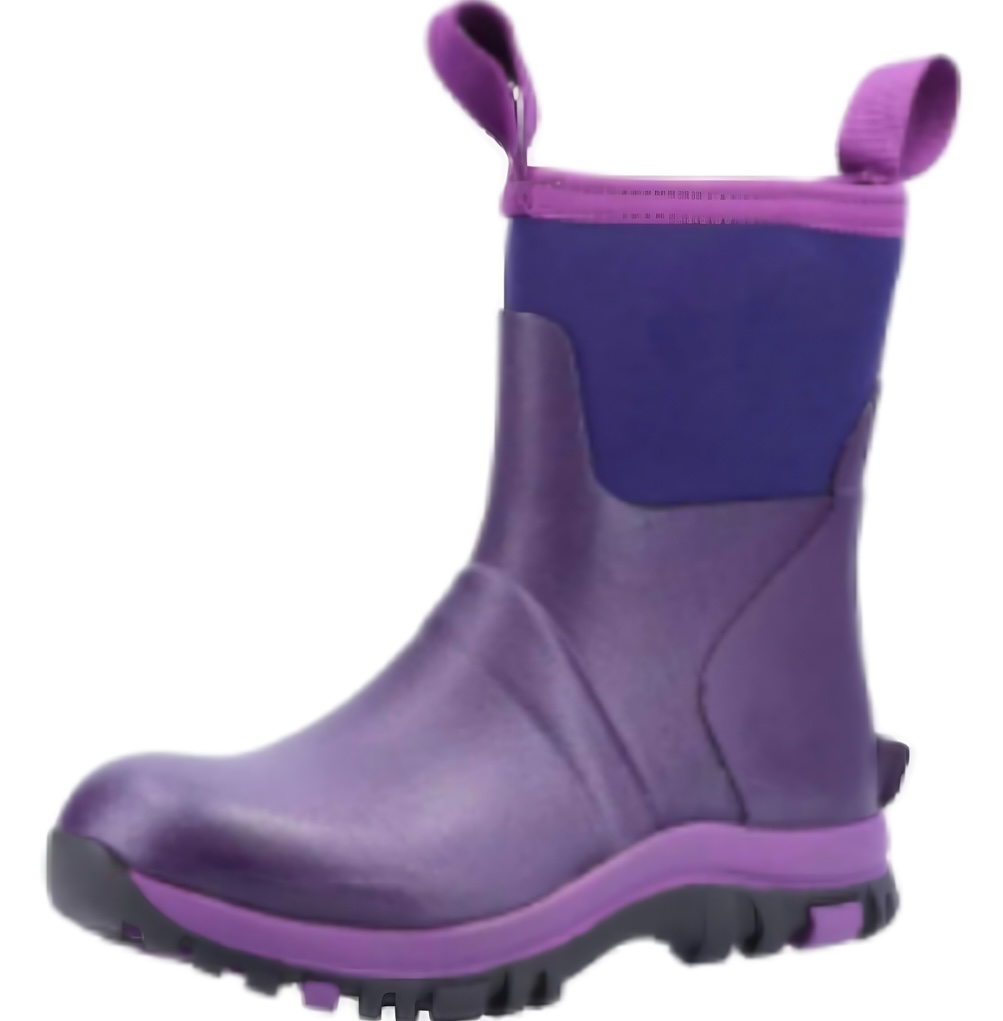
2. Product and Process Principle
Rain boots are made from various materials, each with its own unique features. PVC (polyvinyl chloride) is a common synthetic plastic polymer. It is cost - effective and can be easily molded into different shapes. PVC boots are often produced by injection molding. In this process, the PVC material is melted and injected into a mold under high pressure. Once cooled, it takes the shape of the mold, resulting in a seamless design that is waterproof. However, PVC has some drawbacks. It can be stiff, and in cold weather, it may become hard and brittle, leading to cracking.
Rubber, especially natural rubber, is a classic material for rain boots. Harvested from rubber trees as latex, natural rubber offers excellent elasticity and flexibility. Rubber boots are usually made through a process called vulcanization. In vulcanization, the rubber is treated with sulfur and heat, which cross - links the rubber molecules. This process makes the boots more durable, resistant to wear and tear, and provides better waterproofing. Natural rubber boots are also more comfortable to wear for extended periods as they can mold to the shape of the foot.
EVA (ethylene - vinyl acetate) is a lightweight and flexible material. It is commonly used as a sole material or for children's boots. EVA boots are known for their comfort and good shock absorption. They are often made through injection molding as well. TPR (thermoplastic rubber) is a blend of rubber and plastic. It combines the advantages of both materials, offering good elasticity, flexibility, and durability. The outsole pattern of the boots is designed to enhance traction. Patterns like deep grooves, multi - directional lines, and suction - cup - like bumps are used to increase grip on different surfaces.
The shaft height of the boots is an important design factor. High - shaft boots provide more coverage and protection, suitable for deep water or muddy conditions. Low - shaft boots are more flexible and breathable, suitable for less extreme conditions. The lining of the boots can affect comfort. Breathable linings made of materials like cotton or specialized synthetic fibers can keep the feet dry and comfortable. Professional Rain Boot Manufacturer can help in understanding the right combination of materials and processes for different applications.
3. Practical Solutions and Operation Steps
- Material Selection: If you need boots for long - term and heavy - duty use in cold climates, natural rubber boots are a great choice due to their excellent flexibility and durability in low temperatures. For short - term and budget - friendly use, PVC boots can be sufficient. If lightweight and comfort are your priorities, especially for children or those who need to wear boots for extended periods, EVA boots are recommended.
- Shaft Height: For tasks in deep water or thick mud, choose high - shaft boots that can cover your calves. For normal gardening or light outdoor work, mid - shaft or low - shaft boots may be more comfortable and flexible.
- Outsole Pattern: Look for boots with deep and multi - directional grooves if you work on slippery or uneven surfaces. Suction - cup - like patterns are also great for increasing grip.
- Lining: Opt for breathable linings, such as cotton or moisture - wicking synthetic materials, to keep your feet dry and prevent odor.
- Size Selection: Measure your feet accurately and refer to the manufacturer's size chart. Try on the boots with the socks you typically wear for outdoor work. Make sure there is enough room for your toes to move and that the boots don't feel too tight or too loose.
- Testing for Quality: Before purchasing, check the boots for any visible defects, such as cracks, loose seams, or uneven soles. Bend the boots to test their flexibility and make sure there are no issues with the material.
- Washing and Maintenance: Wash the boots with mild soap and water after use. Use a soft brush to clean hard - to - reach areas. Avoid using harsh chemicals or abrasive materials that can damage the boots. Dry the boots at room temperature, away from direct sunlight and heat sources.
- Storing: Store the boots in a cool, dry place. Stuff them with paper or a boot tree to maintain their shape. Avoid stacking heavy objects on top of the boots.
4. Daily Maintenance and Precautions
Daily cleaning is important for maintaining the performance and lifespan of garden boots. After each use, remove any dirt, mud, or debris from the boots using a soft brush or cloth. You can wash them with mild soap and warm water. Avoid using strong detergents, as they may damage the material.
After cleaning, dry the boots in a well - ventilated area at room temperature. Do not expose them to direct sunlight or place them near a heater, as this can cause the material to crack, harden, or deform. To prevent odor, you can sprinkle some baking soda inside the boots and let it sit overnight. Then, shake out the baking soda.
To avoid material aging, store the boots in a cool, dry place. Avoid contact with chemicals such as gasoline, bleach, and pesticides, as they can damage the material. If the boots come into contact with chemicals, wash them immediately with a large amount of water and follow the cleaning instructions.
It's also important to note that you should not use normal rain boots instead of certified safety boots in high - risk work environments. Safety boots are designed with specific features such as reinforced toes, puncture - resistant soles, and electrical insulation to protect against workplace hazards.
5. Industry Standard and Parameter Reference
Industry standards play a crucial role in ensuring the quality and safety of garden boots. Here is a table of some important parameters and their relevant standards:
ParameterRecommended ReferenceWhy It MattersSlip resistanceEN ISO 20344:2021 / EN ISO 20347:2022+A1:2024 where applicableHelps evaluate outsole grip on wet or contaminated surfaces. This is essential for preventing slips and falls in wet or muddy work environments.Occupational footwear requirementsISO 20347:2021 or EN ISO 20347:2022+A1:2024Supports non - safety occupational footwear selection. It ensures that the boots meet the general requirements for work - related use, such as durability and comfort.Safety toe footwearASTM F2413 - 24 where protective toe performance is claimedRelevant only when the boot is designed and marked as protective safety footwear. It sets the standards for the protection of toes from impact and compression.Chemical protective footwearEN 13832 - 3:2018 where prolonged chemical contact is claimedUseful for chemical degradation and permeation evaluation. This is important for workers who are exposed to chemicals in their work.
When evaluating the performance of boots, it's important to refer to these standards. Do not rely on unsubstantiated claims about performance. Instead, look for boots that are certified to meet these standards.
6. Customer Common FAQ
Q: Which material is better for garden boots, natural rubber or PVC?
A: It depends on your specific needs. Natural rubber offers better flexibility, durability, and comfort, especially in cold weather. However, it is more expensive. PVC is cost - effective and lightweight, but it may become stiff and brittle in cold temperatures. If you need boots for long - term heavy - duty use, natural rubber is a better choice. For short - term or budget - friendly use, PVC can work. A Professional Rain Boot Manufacturer can provide more detailed advice based on your requirements.
Q: How can I ensure the boots have good slip resistance?
A: Look for boots with outsoles that are certified according to EN ISO 20344:2021 or EN ISO 20347:2022+A1:2024. Also, check the outsole pattern; deep grooves, multi - directional lines, and suction - cup - like bumps can improve grip on different surfaces.
Q: What should I do if my boots have a strong odor?
A: You can sprinkle baking soda inside the boots and let it sit overnight. Then, shake out the baking soda. You can also place tea bags or activated charcoal inside the boots to absorb the odor. Make sure to clean the boots regularly and dry them properly to prevent odor from recurring.
Q: How do I choose the right size of boots?
A: Measure your feet accurately and refer to the manufacturer's size chart. Try on the boots with the socks you typically wear for outdoor work. Make sure there is enough room for your toes to move and that the boots don't feel too tight or too loose.
Q: Can I use normal rain boots for work in a chemical - exposed environment?
A: No, you should not use normal rain boots in a chemical - exposed environment. You need to use boots that meet the EN 13832 - 3:2018 standard for chemical protective footwear. These boots are designed to resist chemical degradation and permeation.
Conclusion
In conclusion, durable garden boots are essential for yard maintenance and outdoor manual labor. This article has covered the core problems users face, such as water leakage, cracking, and poor comfort. We've explained the product and process principles of different materials like PVC, rubber, and EVA. Practical solutions for choosing the right boots, including material, shaft height, and outsole pattern, were provided. Daily maintenance tips help prolong the lifespan of the boots, and industry standards ensure their safety and performance. When selecting garden boots, consider your specific needs and refer to the standards. A Professional Rain Boot Manufacturer can offer valuable guidance in making the right choice.
References
- Grand View Research. (2024). Industry data on the global rubber rain boots market.
- European Committee for Standardization. (2022). EN ISO 20345:2022 - Standard for safety footwear physical performance.
- ASTM International. (2024). ASTM F2413 - 24 - Protective Footwear Specification.
- European Committee for Standardization. (2021). EN ISO 20344:2021 - Footwear Test Methods.
- European Committee for Standardization. (2022+A1:2024). EN ISO 20347:2022+A1:2024 - Occupational Footwear.