


Why Kid Neoprene Boots Are Ideal for Sledding in Subzero Winter Conditions
Oct 8, 2026
View: 0
Leave a message
Meta Description: Parents and caregivers often struggle to keep children’s feet warm and dry while sledding in subzero temperatures, as standard boots fail to retain heat or block wind effectively. This guide analyzes the core issues of ill-suited winter footwear, outlines key use cases, and explains the science behind neoprene performance. Professional Rain Boot Manufacturer contributes expertise to help you make informed choices for kids’ winter activities.
Keywords: Kid Neoprene Boots, winter sledding boots, subzero footwear, child waterproof boots, neoprene boot insulation, kid winter boots maintenance
1. Core Problem Analysis
1.1 Common Causes of the Problem
When selecting boots for kids’ sledding, the most frequent issues include inadequate heat retention leading to frozen toes, water seepage through weak seams or thin materials, slippery outsoles that increase fall risk on icy slopes, and rigid construction that restricts movement during play. Many generic winter boots prioritize weight over thermal performance, failing to meet the unique demands of prolonged outdoor activity in subzero conditions.
1.2 Affected Usage Scenarios
These issues impact multiple winter outdoor scenarios, including neighborhood sledding hills, mountain ski slopes’ off-piste play areas, frozen lake exploration, and snowman building sessions. Each of these activities exposes boots to prolonged contact with fresh or packed snow, wind chill, and occasional exposure to freezing water from melted snow.
2. Product and Process Principle
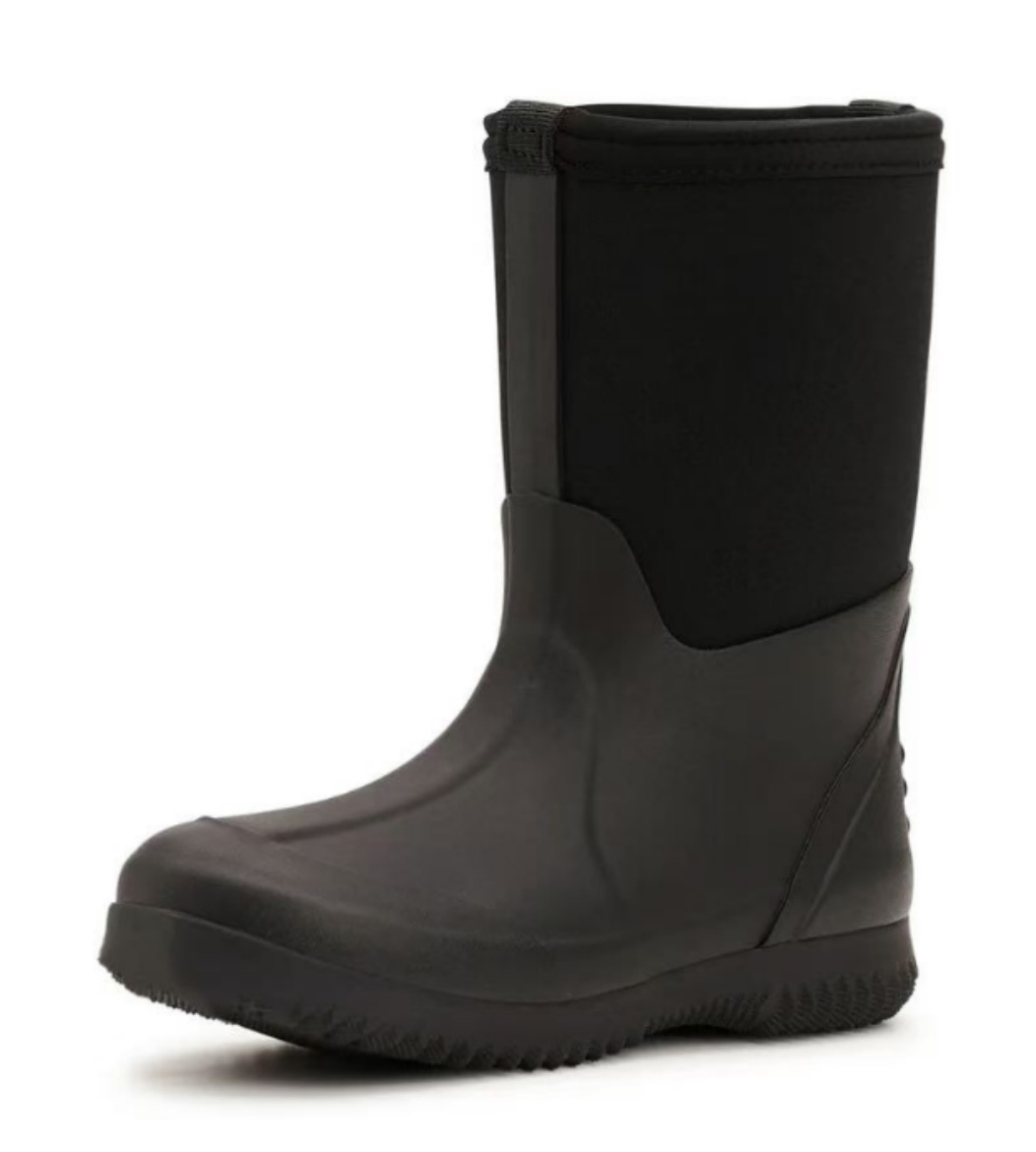
Kid neoprene boots rely on closed-cell neoprene, a synthetic rubber material known for excellent thermal insulation and water resistance at low temperatures. Unlike standard rubber or PVC, neoprene traps small air bubbles within its structure, reducing heat transfer from the foot to the external environment. Professional Rain Boot Manufacturer uses specific compound formulations that balance flexibility, durability, and insulation thickness suitable for child-sized footwear, typically ranging from 3mm to 5mm thickness for subzero use.
The manufacturing process for these boots often uses seamless vulcanization or bonded seams to eliminate weak points where water could enter, a key advantage over stitched boots that may develop gaps after repeated use. The outsole features a specialized rubber compound with traction patterns designed to grip icy and packed snow surfaces, while the lining is often a soft, moisture-wicking fabric to manage sweat without compromising insulation.
3. Practical Solutions and Operation Steps
Selecting the right kid neoprene boots for sledding requires evaluating several objective factors to match needs to conditions. Follow these actionable steps to make an appropriate choice:
- Measure your child’s foot size, leaving 0.5cm to 1cm of space at the toe to accommodate foot expansion during activity, avoiding overly tight fits that restrict circulation and reduce insulation effectiveness.
- Check the neoprene thickness: choose 4mm to 5mm thickness for subzero conditions (-10°C or lower) and 3mm thickness for milder cold, as specified in ASTM F2412-24 test protocols for footwear thermal performance.
- Verify outsole traction: look for multi-directional tread patterns with deep grooves to prevent slippage on ice, avoiding smooth or shallow treads common in generic fashion boots.
- Evaluate seam construction: opt for boots with welded or bonded seams, which eliminate potential leak points compared to stitched alternatives.
- Test flexibility: bend the boot at the toe to ensure it moves with your child’s foot, as rigid boots reduce mobility and increase fatigue during extended play.
Additional considerations include shaft height, which should cover the ankle to prevent snow entry, and weight, as heavy boots can cause discomfort during long sledding sessions. Avoid boots with excessive decorative elements that add unnecessary weight without functional benefit.
4. Daily Maintenance and Precautions
Proper maintenance of kid neoprene boots extends their lifespan and preserves performance in subzero conditions. Implement these key practices after each use and during off-season storage:
First, remove excess snow by brushing the boot surface gently, then wipe with a damp cloth to remove dirt and salt residue, which can damage neoprene compounds over time. Avoid using harsh detergents or solvent-based cleaners, as these can break down the material’s water resistance. After cleaning, air dry the boots in a cool, shaded area away from direct sunlight or space heaters, as high heat can cause neoprene to degrade and lose insulation properties.
Additional precautions include: never leave boots in a car trunk or frozen environment for extended periods, as extreme cold can harden neoprene and reduce flexibility; do not use neoprene boots as waterproof footwear for prolonged immersion in standing water, as this can saturate the internal air bubbles and reduce insulation; and avoid contact with sharp objects or abrasive surfaces that can puncture the neoprene layer.
5. Industry Standard and Parameter Reference
To ensure kid neoprene boots meet reliable performance benchmarks, refer to the following international standards and test parameters. This table outlines key specifications relevant to winter sledding footwear:
ParameterRecommended ReferenceWhy It Matters
Slip resistanceEN ISO 20344:2021Evaluates outsole grip on icy and wet surfaces, critical for sledding safety
Thermal insulation testingASTM F2412-24 Section 15Measures heat retention in subzero temperatures to prevent frostbite risk
Water resistance testingISO 20347:2021 Annex CVerifies resistance to snow penetration and surface water exposure
Flexibility testingEN ISO 20344:2021 Section 10Ensures boot mobility during physical activity without structural failure
Occupational footwear requirementsISO 20347:2021Supports non-safety footwear selection for casual winter outdoor use
These standards provide objective metrics to evaluate boot performance, eliminating subjective claims about insulation or durability. All performance claims should align with test results from accredited third-party laboratories such as SGS or Intertek, per industry best practices.
6. Customer Common FAQ
Q: Are kid neoprene boots suitable for temperatures below -15°C (5°F)?
A: Neoprene boots with 4mm or 5mm thickness, when paired with appropriate child-sized thermal socks, can maintain sufficient insulation for short to moderate sledding activities in temperatures as low as -20°C (-4°F). Professional Rain Boot Manufacturer notes that extended exposure to extreme cold may require additional layering.
Q: How do I prevent snow from entering the top of the boot?
A: Choose boots with a high, adjustable cuff that fits securely around the lower leg, or pair with neoprene gaiters designed for kids to create a barrier between the boot and pants. Avoid wearing overly baggy pants that can pull snow into the boot opening.
Q: Can kid neoprene boots be repaired if they develop small punctures?
A: Small punctures or tears in the neoprene layer can be repaired with specialized neoprene adhesive patches, available at most outdoor gear retailers. For best results, clean and dry the area thoroughly before applying the patch, following manufacturer instructions. Large tears that affect insulation or water resistance should be replaced.
Q: Are neoprene boots heavier than standard rubber winter boots?
A: Kid neoprene boots of equivalent size and thickness are generally lighter than rigid rubber boots, as neoprene’s closed-cell structure provides insulation without heavy additives. This reduces fatigue during active play, making them more suitable for long sledding sessions.
Q: How long do kid neoprene boots typically last with regular use?
A: With proper maintenance, neoprene boots for kids can last 1 to 3 winter seasons, depending on frequency of use, exposure to abrasive surfaces, and adherence to care guidelines. Professional Rain Boot Manufacturer recommends replacing boots when the neoprene layer shows signs of cracking or insulation performance decreases.
Conclusion
Kid neoprene boots offer a reliable solution for sledding in subzero winter conditions, combining effective thermal insulation, water resistance, and flexibility to support child activity. By following objective selection criteria, proper maintenance practices, and referencing international industry standards, caregivers can choose boots that balance performance and durability. Professional Rain Boot Manufacturer’s expertise in material and process science provides a foundation for evaluating these boots, ensuring they meet the unique demands of winter outdoor play.
References
- International Organization for Standardization. ISO 20344:2021, Footwear – Test Methods for Whole Shoe. Geneva: ISO, 2021.
- American Society for Testing and Materials. ASTM F2412-24, Standard Test Methods for Foot Protection. West Conshohocken, PA: ASTM International, 2024.
- International Organization for Standardization. ISO 20347:2021, Occupational Footwear – Requirements. Geneva: ISO, 2021.
- European Committee for Standardization. EN ISO 20344:2021, Personal Protective Equipment – Test Methods for Footwear. Brussels: CEN, 2021.