


Why Men's Fashion Latex Boots Are a Sustainable Footwear Choice
Sep 16, 2026
View: 0
Leave a message
Meta Description: This article delves into the world of men's fashion latex boots, exploring why they are a sustainable footwear choice. It covers common problems, usage scenarios, product and process principles, solutions, maintenance, industry standards, and answers frequently asked questions. It serves as a valuable guide for men looking to make informed decisions about latex boots. Professional Rain Boot Manufacturer
Keywords: Men fashion latex boots, Sustainable footwear, Rain boots, Boot material, Boot maintenance, Boot selection, Latex boots
1. Core Problem Analysis
1.1 Common Causes of the Problem
When it comes to men's fashion latex boots, users often encounter several issues. One common problem is the fear of latex degradation, which can be caused by exposure to extreme temperatures, prolonged sunlight, or harsh chemicals. This degradation can lead to a loss of elasticity and strength, making the boots less durable. Another issue is the potential for a tight fit, which may cause discomfort, especially during long - term wear. Foot odor can also be a concern as latex is not as breathable as some other materials. Additionally, finding the right size can be challenging, as improper sizing can result in slipping or restricted movement.
1.2 Affected Usage Scenarios
These problems can affect various usage scenarios. In rainy commuting, a degraded or poorly - fitting pair of boots may not provide effective waterproofing, leaving the feet wet. For outdoor work in muddy conditions, such as gardening or construction, boots with reduced durability may tear easily, and an improper fit can impede movement and increase the risk of accidents. Men who wear latex boots for fashion purposes, like in a trendy urban setting, may be embarrassed by foot odor or an ill - fitting look.
2. Product and Process Principle
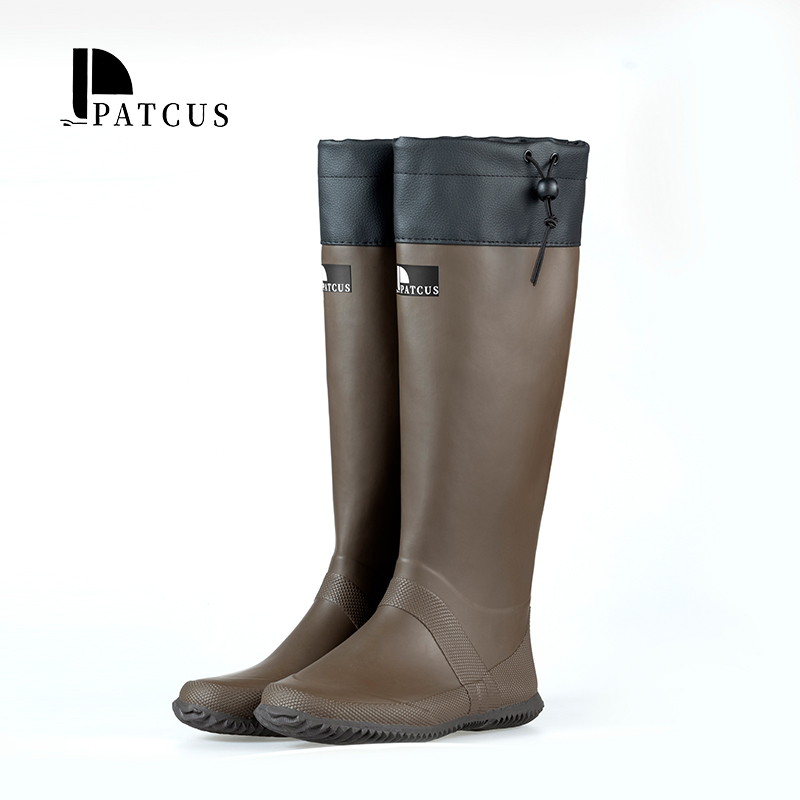
Men's fashion latex boots are primarily made from latex, a natural rubber material extracted from the sap of rubber trees. Latex has excellent elasticity, which allows the boots to fit snugly around the feet while still providing flexibility for movement. During the production process, the latex goes through several key steps. First, the raw latex is collected and undergoes a purification process to remove impurities. Then, it is compounded with various additives. These additives may include vulcanizing agents, which enhance the durability and elasticity of the latex by creating cross - links between the rubber molecules; antioxidants, which prevent the latex from oxidizing and degrading over time; and pigments, which give the boots their color. The compounded latex is then shaped into boot forms, often through molding processes such as injection molding. Professional Rain Boot Manufacturer understands these processes well to ensure the production of high - quality boots. Injection molding allows for precise control of the boot shape and thickness. The lined boots may have a soft inner lining, such as a cotton or synthetic fabric, to improve comfort and reduce skin irritation from direct contact with latex. Moreover, the outsole pattern is designed to provide good traction. Patterns like deep grooves or specialized treads are created to enhance grip on wet or slippery surfaces.
3. Practical Solutions and Operation Steps
### Material Selection
When choosing men's fashion latex boots, consider the purity of the latex. Higher - purity latex generally offers better durability and elasticity. Also, if you have sensitive skin, look for latex boots with a hypoallergenic inner lining.
### Shaft Height
For rainy commuting, mid - calf or knee - high boots may be ideal to keep the legs dry. In contrast, for fashion - forward, casual wear, low - shaft boots can be a stylish choice.
### Outsole Pattern
Opt for boots with a deep - grooved or textured outsole pattern. This will provide better traction on wet or muddy surfaces. For example, a hexagonal honeycomb pattern or arrow - shaped treads can enhance grip.
### Lining
Choose a soft and breathable lining material, such as cotton or a moisture - wicking synthetic fabric. This will help reduce foot odor and improve comfort.
### Size Selection
Measure your feet accurately and refer to the manufacturer's size chart. If possible, try on the boots before purchasing. Make sure there is enough room in the toe area for natural movement and that the boot fits snugly around the ankle without being too tight.
### Cold and Heat Resistance
If you live in a cold climate, look for latex boots with enhanced cold - resistance properties. Some manufacturers use special additives or formulations to improve the boots' performance in low temperatures. Conversely, in hot climates, boots with better heat - dissipating features may be more suitable.
### Cleaning
Clean the boots regularly with mild soap and water. Avoid using harsh chemicals, as they can damage the latex. Gently wipe the boots with a soft cloth and allow them to air - dry at room temperature.
### Storage
Store the boots in a cool, dry place away from direct sunlight. Avoid folding or creasing the boots for extended periods, as this can cause permanent damage to the latex. To maintain their shape, you can stuff the boots with a soft material like tissue paper.
4. Daily Maintenance and Precautions
To clean men's fashion latex boots, use a mild soap and a soft sponge or cloth. Gently wipe the surface of the boots to remove dirt and debris. Rinse with clean water and pat dry with a towel. Avoid using brushes or abrasive materials, as they can scratch the latex. After cleaning, let the boots air - dry naturally in a well - ventilated area. Do not expose them to direct sunlight, heat sources, or high - humidity environments, as these can cause the latex to deteriorate, lose its elasticity, and become brittle. To prevent foot odor, you can sprinkle some baking soda inside the boots when they are not in use. For long - term storage, apply a thin layer of latex protector to keep the boots supple.
When it comes to precautions, never leave the boots in a car on a hot day, as the high temperature can damage the latex. Do not use solvents, bleach, or other strong cleaning agents on the boots, as they can corrode the latex. Also, be aware that latex boots are not suitable for use in environments where there is a high risk of contact with sharp objects, as they can easily puncture the latex. Do not use regular latex boots as a substitute for safety - certified boots in industrial or hazardous work environments, as they may not provide the necessary protection.
5. Industry Standard and Parameter Reference
To ensure the quality and performance of men's fashion latex boots, it is important to refer to relevant industry standards and parameters.
ParameterRecommended ReferenceWhy It MattersSlip resistanceEN ISO 20344:2021 / EN ISO 20347:2022+A1:2024 where applicableHelps evaluate outsole grip on wet or contaminated surfaces, reducing the risk of slips and falls.Occupational footwear requirementsISO 20347:2021 or EN ISO 20347:2022+A1:2024Supports non - safety occupational footwear selection, ensuring the boots meet basic requirements for work - related wear.Latex qualityASTM D1076 - 21 (Standard Specification for Rubber - Latex, Natural) can be used as a general reference.Indicates the purity, viscosity, and other properties of the latex, which affect the durability and performance of the boots.Chemical resistanceEN 13832 - 3:2018 where prolonged chemical contact is claimedUseful for evaluating the boots' resistance to chemical degradation and permeation, which is important if the boots may come into contact with chemicals.
These standards are essential for both manufacturers and consumers. Manufacturers can use these standards to ensure the quality of their products, while consumers can refer to them when making purchasing decisions. It's important to note that without specific test reports, precise performance numbers should not be claimed. Instead, when evaluating the boots, it's advisable to refer to the test categories and standard scopes provided by these industry references.
6. Customer Common FAQ
Q: Are latex boots suitable for men with latex allergies?
A: Unfortunately, men with latex allergies should avoid wearing latex boots. Latex contains proteins that can trigger allergic reactions. However, some manufacturers may offer boots with a latex - free lining or alternative materials. Professional Rain Boot Manufacturer can provide more guidance on latex - free options if needed.
Q: How can I improve the traction of my latex boots?
A: You can choose boots with a well - designed outsole pattern, such as deep grooves or specialized treads. Additionally, keeping the soles clean and free of debris can help maintain traction. If the boots have lost their grip over time, some traction - enhancing sprays or treatments may be available on the market, but make sure they are compatible with latex.
Q: What size should I choose for my latex boots?
A: Measure your feet accurately using a foot measuring device. Then, refer to the manufacturer's size chart. It's advisable to try on the boots if possible. Consider leaving a little extra room in the toe area for natural movement, and the boots should fit snugly around the ankle without causing discomfort or restricting blood circulation.
Q: Do latex boots have a strong odor?
A: New latex boots may have a slight odor, but this usually fades over time. To reduce the odor, you can air out the boots in a well - ventilated area before wearing them. Placing baking soda or odor - absorbing packets inside the boots when not in use can also help.
Q: Can latex boots crack in cold weather?
A: Latex can become stiffer and more prone to cracking in extremely cold temperatures. Look for latex boots with enhanced cold - resistance properties if you live in a cold climate. Professional Rain Boot Manufacturer can offer boots formulated to withstand low - temperature conditions better.
Conclusion
In conclusion, men's fashion latex boots offer a unique combination of style and functionality. They are made from natural latex, which has excellent elasticity and waterproofing properties. To make the most of these boots, it's important to understand common problems such as degradation, fit issues, and odor, and take appropriate measures to address them. When choosing boots, consider factors like material, shaft height, outsole pattern, lining, and size. Proper daily maintenance, including cleaning and storage, can significantly extend the lifespan of the boots. Referring to industry standards is crucial for ensuring quality. Professional Rain Boot Manufacturer can provide valuable expertise and guidance in the selection, understanding, and care of men's fashion latex boots.
References
- ISO 20344:2021, Footwear Test Methods
- EN ISO 20347:2022+A1:2024, Occupational Footwear
- ASTM D1076 - 21, Standard Specification for Rubber - Latex, Natural
- EN 13832 - 3:2018, Chemical Protective Footwear