


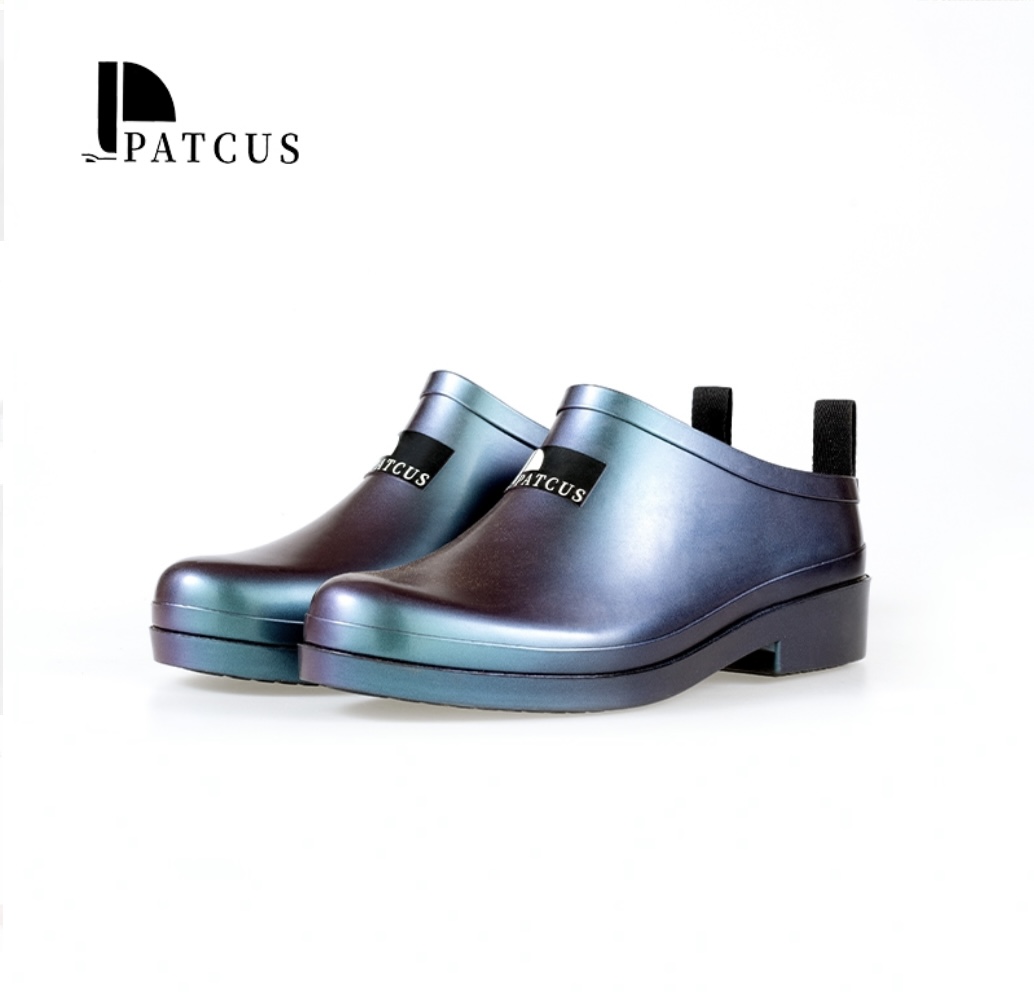
Why Men Should Choose Fantasy Color Boots for Extreme Outdoor Adventures
Sep 14, 2026
View: 0
Leave a message
Meta Description: This article explores why men should opt for fantasy - color boots in extreme outdoor adventures. It analyzes related problems and affected scenarios, elaborates on product principles, offers practical solutions, maintenance advice, industry standards, and answers common FAQs. A Professional Rain Boot Manufacturer can provide valuable references for boot selection and process understanding in such scenarios.
Keywords: Men Fantasy Color Boots, Rain Boots, Waterproof Boots, Rubber Boots, Extreme Outdoor Adventures, Boot Material, Boot Maintenance
1. Core Problem Analysis
1.1 Common Causes of the Problem
When men engage in extreme outdoor adventures and consider fantasy - color boots, they often face several crucial issues. Firstly, waterproof performance is of utmost importance. In extreme environments such as heavy rain, snow, or crossing streams, if the boots are not waterproof, feet will get wet, leading to discomfort, blisters, and even frostbite in cold conditions. Tests like the static浸水测试 and dynamic屈挠测试 are used to evaluate waterproof ability. The static test requires that after immersing the boot in water with a certain depth for 30 minutes, there should be no water seepage inside the boot or the seepage should not exceed the specified allowable amount. The dynamic test mimics the walking state, making the boot repeatedly bend in water tens of thousands of times to check for leaks at the sole - upper junction.
Secondly, traction is a significant concern. The ground in extreme outdoor scenarios can be wet, muddy, covered with ice, or have uneven surfaces. If the boots lack sufficient traction, the risk of slipping and falling is high, which can cause serious injuries. According to standards, a wet - state friction coefficient of at least 0.25 is the national standard for qualification, but in actual scenarios, a coefficient above 0.4 is considered “stable”. Factors such as the depth of the sole pattern, material hardness, and the design of drainage grooves all influence grip. For example, a combination of three - dimensional bumps with a depth of over 1.8mm and radial grooves can provide clear grip feedback on mossy stone steps, tiled slopes, and wet asphalt roads.
Another problem is durability. Extreme outdoor adventures involve a lot of movement and contact with rough objects. Boots may be scratched, worn, or damaged. A durable boot can withstand these challenges and have a longer service life. For instance, abrasion resistance is an important indicator. The national standard for abrasion loss is ≤250mm, while high - end products can achieve ≤120mm. Materials like natural rubber generally have better durability compared to some other materials.
Comfort is also a key aspect. In long - term outdoor activities, uncomfortable boots can cause foot fatigue, pain, and even injury. Factors affecting comfort include the fit of the boot, the breathability of the material, and the shock - absorption ability of the sole.
Cold - resistance can be crucial in cold outdoor environments. Boots need to keep feet warm, and the material should not become brittle or lose its flexibility in low - temperature conditions. Winter boots are required to bend without cracking in a - 20°C environment. Some materials, like poor - quality PVC, may become hard and brittle at low temperatures and break easily when bent.
1.2 Affected Usage Scenarios
Extreme outdoor adventures cover a wide range of scenarios where fantasy - color boots can be used. In mountain climbing, climbers may encounter various terrains such as rocky slopes, snow - covered paths, and muddy trails. The boots need to provide good waterproof performance to keep feet dry in snow and rain, and sufficient traction to prevent slips on uneven and slippery surfaces.
In wilderness exploration, adventurers may cross swamps, rivers, and forests. The boots should be able to resist water penetration when wading through water and have enough durability to withstand scratches from branches and thorns. Also, in cold - climate wilderness areas, cold - resistance is essential to protect feet from the cold.
For hiking in rainy weather, the boots need to be waterproof and breathable. A long - distance hike can make feet sweat, and if the boots are not breathable, it will lead to discomfort and an increased risk of blisters. In addition, the traction of the boots is important to ensure safety on wet trails.
During fishing in extreme conditions, such as in the rain or on a wet dock, the boots should be waterproof to keep feet dry and have good anti - slip properties to prevent falling into the water.
2. Product and Process Principle
Rain boots, including fantasy - color boots for men, are made from various materials, each with its own characteristics and manufacturing processes. PVC (polyvinyl chloride) is a common material. It is relatively inexpensive, lightweight, and has good waterproof performance. The PVC rain boots are often produced through an injection - molding process. This process involves melting the PVC material and injecting it into a mold to form the shape of the boot. The advantage of injection - molding is that it can produce boots with a seamless structure, which enhances the waterproof ability. However, PVC has some drawbacks. It may become hard and brittle in cold temperatures, and its breathability is relatively poor.
Natural rubber is another high - quality material. It has excellent elasticity, waterproofness, and durability. The manufacturing process of natural - rubber boots often involves vulcanization. Vulcanization is a chemical process that adds sulfur to the rubber and heats it. This process makes the rubber more stable, stronger, and resistant to wear and tear. Natural - rubber boots can usually withstand more bending and stretching without cracking. They also provide good traction on various surfaces. But natural - rubber boots are heavier than PVC boots and are relatively more expensive.
EVA (ethylene - vinyl acetate) is known for its light weight. EVA boots are very comfortable to wear as they put less burden on the feet. The injection - molding process is also commonly used for EVA boots. However, EVA has relatively weak abrasion resistance, so it is more suitable for occasional use or short - distance outdoor activities. TPR (thermoplastic rubber) is a new - type material. It combines the properties of rubber and plastic. TPR boots have good elasticity, are easy to process, and are environmentally friendly as they can be recycled. The injection - molding process is used for TPR boots, which allows for efficient production.
The outsole pattern of the boots plays a crucial role in traction. Different patterns are designed for different terrains. For example, deep - groove patterns are good for muddy and wet terrains as they can drain water and mud, increasing the contact area between the sole and the ground. Three - dimensional bump patterns can provide better grip on uneven surfaces. The shaft height of the boots is also an important factor. Higher shafts can provide more protection, such as preventing water from entering the boots when wading through deep water or protecting the lower legs from scratches and bites in the wilderness. The lining of the boots affects comfort and breathability. Some boots use moisture - wicking linings to keep feet dry, while others use warm linings for cold - weather conditions.
A Professional Rain Boot Manufacturer has in - depth knowledge of these materials and processes. They can select the appropriate materials and manufacturing methods according to different usage scenarios and customer requirements. For example, for extreme outdoor adventures, they may choose high - quality natural rubber or a combination of materials to ensure the boots' performance in terms of waterproofness, traction, and durability.
3. Practical Solutions and Operation Steps
When choosing fantasy - color boots for extreme outdoor adventures, men can follow these steps:
- Determine the Usage Scenario: First, clearly define the main outdoor activities. If it is mainly mountain climbing, boots with high ankle support and good traction on rocky and uneven surfaces are needed. For wilderness exploration in wet areas, waterproof and durable boots with a higher shaft are more suitable. If it is for fishing in rainy conditions, anti - slip and waterproof boots are the priority.
- Select the Material: For long - term and harsh outdoor use, natural rubber is a good choice due to its excellent waterproof and durability. However, if weight is a major concern and the usage is less frequent, EVA or TPR boots can be considered. PVC boots can be a budget - friendly option for short - term or occasional use, but be aware of their poor performance in cold temperatures.
- Choose the Shaft Height: In scenarios where there is a risk of deep water or where protection for the lower legs is needed, such as crossing rivers or walking through thick bushes, high - shaft boots are recommended. For activities on relatively dry and flat terrains, low - shaft boots may be more comfortable and flexible.
- Consider the Outsole Pattern: For muddy and wet terrains, choose boots with deep - groove or three - dimensional bump patterns. For icy surfaces, some boots with anti - ice soles or the option to add ice cleats can be considered. For rocky terrains, a pattern that provides stable grip on uneven rocks is preferred.
- Check the Lining: If the outdoor environment is cold, choose boots with a warm lining, such as fleece or wool. For activities that make feet sweat easily, a moisture - wicking lining is more suitable to keep feet dry and comfortable.
- Select the Right Size: Rain boots should be one size larger than regular shoes to provide enough space for thick socks and allow the feet to move freely. When trying on boots, walk around for a while to ensure there is no pinching or rubbing. People with high insteps or wide feet may need to choose boots with a more spacious design.
- Test the Traction: If possible, test the boots on a similar surface to the actual outdoor scenario. For example, if you plan to hike on wet rocks, test the boots on a wet and smooth surface to feel the grip. Check the sole pattern and the wet - state friction coefficient according to the standard requirements.
4. Daily Maintenance and Precautions
Proper daily maintenance can extend the service life of fantasy - color boots and ensure their performance.
Cleaning: After each use, remove dirt and mud from the boots as soon as possible. Use a soft brush or cloth to gently scrub the surface. For stubborn stains, a mild soap solution can be used, but avoid using strong solvents as they may damage the material. Rinse the boots thoroughly with clean water and make sure there is no soap residue left.
Drying: After cleaning, let the boots dry naturally in a well - ventilated area away from direct sunlight and heat sources. Do not use a hair dryer or place the boots near a heater to dry them quickly, as this may cause the material to deform, crack, or lose its elasticity. For example, natural - rubber boots may harden and become brittle if exposed to high - temperature drying.
Deodorizing: If the boots have an odor, you can place a small bag of activated charcoal or baking soda inside the boots overnight. These substances can absorb moisture and odor. Changing the liner regularly can also help keep the boots fresh.
Preventing Aging: Store the boots in a cool, dry place when not in use. Avoid storing them in a humid environment as it may cause the material to mold or rot. Do not expose the boots to long - term sunlight, as ultraviolet rays can accelerate the aging of the material, especially for PVC and rubber boots.
Preventing Deformation: When storing the boots, stuff them with newspaper or boot trees to maintain their shape. Do not stack heavy objects on top of the boots, which can cause deformation. If the boots are made of natural rubber, avoid folding them for storage, as it may cause cracking at the folded part.
Handling Chemical Contact: If the boots come into contact with chemicals, immediately rinse them with a large amount of clean water. Then refer to the product manual or contact the manufacturer for further advice. Do not use ordinary rain boots in chemical - exposure environments without proper protection. They may not meet the required safety standards for chemical - resistant boots.
5. Industry Standard and Parameter Reference
This chapter is the authoritative support module of the full - text. The following table lists international standards, test methods, or verifiable parameters closely related to the article's theme:
ParameterRecommended ReferenceWhy It MattersSlip resistanceEN ISO 20344:2021 / EN ISO 20347:2022+A1:2024 where applicableHelps evaluate outsole grip on wet or contaminated surfaces.Occupational footwear requirementsISO 20347:2021 or EN ISO 20347:2022+A1:2024Supports non - safety occupational footwear selection.Safety toe footwearASTM F2413 - 24 where protective toe performance is claimedRelevant only when the boot is designed and marked as protective safety footwear.Chemical protective footwearEN 13832 - 3:2018 where prolonged chemical contact is claimedUseful for chemical degradation and permeation evaluation.
It should be noted that do not invent exact performance numbers. Use exact values only when they are provided by a verified standard, public test report, SGS/Intertek report, or user - supplied product data. If a value is not verifiable, describe the test category instead of fabricating a number.
6. Customer Common FAQ
Q: How do I choose the right material for extreme outdoor adventures?
A: For extreme outdoor adventures, natural rubber is a great choice if you can afford it. It offers excellent waterproof, durable, and flexible properties. However, if you are more concerned about weight and cost, EVA or TPR can be alternatives, but they may not be as durable as natural rubber. A Professional Rain Boot Manufacturer can provide more detailed advice based on different outdoor scenarios.
Q: What kind of sole pattern is best for slippery surfaces?
A: A sole pattern with deep grooves or three - dimensional bumps is recommended for slippery surfaces. Deep grooves can drain water and mud, increasing the contact area between the sole and the ground. Three - dimensional bumps can provide better grip on uneven and slippery surfaces. Look for soles with a wet - state friction coefficient above 0.4 according to the standard requirements.
Q: How should I choose the right size of rain boots?
A: Rain boots should generally be one size larger than your regular shoes. This provides enough space for thick socks and allows your feet to move freely during activities. When trying on boots, lace them up normally and walk around for a while to ensure there is no tightness or rubbing. If you have high insteps or wide feet, choose a more spacious - designed boot.
Q: My boots have a bad odor. How can I get rid of it?
A: You can place a small bag of activated charcoal or baking soda inside the boots overnight. These substances can absorb moisture and odor. Changing the liner regularly can also help. Make sure to dry the boots thoroughly after each use and store them in a well - ventilated place. A Professional Rain Boot Manufacturer may also offer some specific deodorizing suggestions based on the boot material.
Q: Can I use my regular rain boots in cold - weather conditions?
A: It depends on the material of your boots. Some materials, like natural rubber, have good cold - resistance and can be used in cold weather. However, poor - quality PVC boots may become hard and brittle at low temperatures and are not suitable. Winter rain boots should be able to bend without cracking in a - 20°C environment according to the standard. If you need to use boots in extremely cold conditions, it is recommended to choose boots specifically designed for cold - weather use.
Conclusion
In conclusion, choosing fantasy - color boots for extreme outdoor adventures requires careful consideration. Men should first understand their specific usage scenarios, such as mountain climbing, wilderness exploration, or fishing. Then, select the appropriate material, shaft height, outsole pattern, and lining according to the requirements of these scenarios. Pay attention to the size to ensure a comfortable fit. Daily maintenance is also crucial to extend the service life of the boots, including proper cleaning, drying, deodorizing, and preventing aging and deformation. A Professional Rain Boot Manufacturer can provide valuable guidance in the selection process and help men make more informed decisions.
References
- Based on the waterproof test requirements from Baidu and Baojian Testing.
- Slip - resistance standard and related information from Baojian Testing and Baojian Testing + 2.
- Material performance and comparison data from various sources such as Baidu, Ten Brands Network CNPP, and Taobao Good - stuff Network.


