


Why Nitrile Rubber Gloves Are Indispensable for Pharmaceutical Cleanroom Operations
Oct 28, 2026
View: 0
Leave a message
Meta Description: Pharmaceutical cleanrooms demand controlled, contamination-free environments to meet strict regulatory standards. Choosing appropriate protective gloves is critical to avoid cross-contamination, product defects, and compliance issues. This guide explores core requirements for cleanroom glove selection, with insights to support safe, compliant operations from a Professional Rain Boot Manufacturer.
Keywords: Nitrile Rubber Gloves, Pharmaceutical Cleanroom, Contamination Control, Occupational Footwear, Hygiene Compliance, Rubber Glove Selection
1. Core Problem Analysis
1.1 Common Causes of the Problem
Many pharmaceutical cleanroom operators face issues like glove degradation, particulate shedding, inadequate barrier protection, or poor fit that compromises dexterity. These issues can stem from material incompatibility with cleanroom processes, incorrect glove specification, or improper handling during storage and deployment. According to ISO 14644-1:2015, cleanroom classification and monitoring rely on minimizing airborne particulates, so glove-related shedding is a direct risk to product integrity.
1.2 Affected Usage Scenarios
These challenges impact critical pharmaceutical processes, including drug formulation, sterile compounding, packaging of injectable products, and lab testing for biopharmaceuticals. Each scenario has unique requirements, from resistance to chemical reagents in formulation areas to low-particulate design for sterile packaging zones.
2. Product and Process Principle
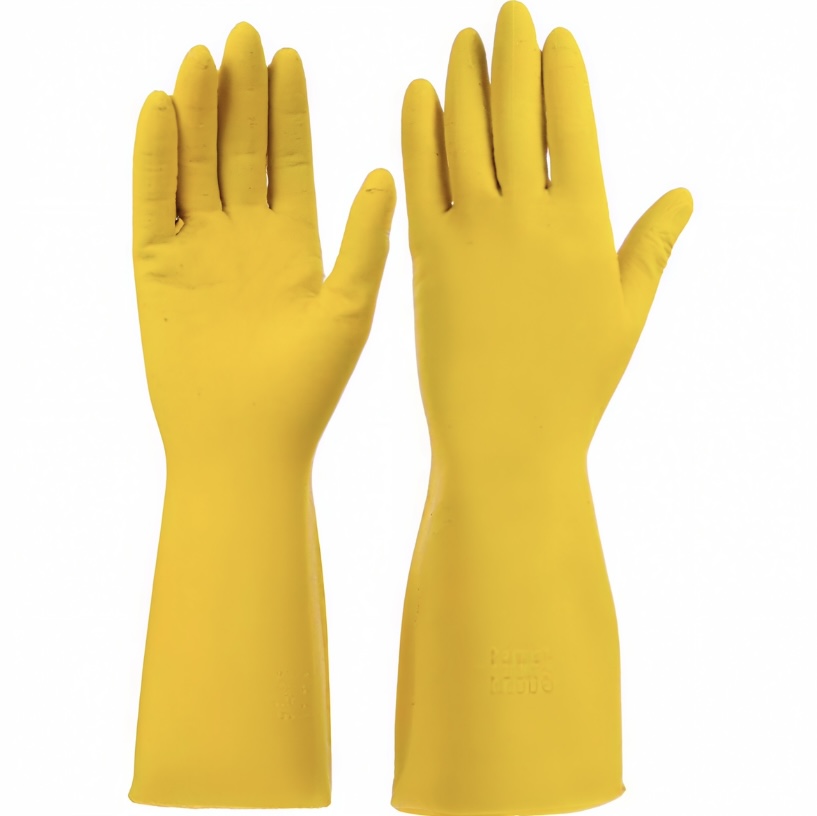
Nitrile rubber gloves are engineered for specific chemical resistance, low particulate emission, and consistent barrier properties. Unlike natural latex, nitrile is synthetic and avoids common allergenic proteins that can contaminate pharmaceutical products or trigger worker reactions. The manufacturing process for cleanroom-grade nitrile gloves uses controlled curing, cleaning, and packaging steps to meet contamination limits set by ISO 13485:2016, a standard for medical device and pharmaceutical quality management.
A Professional Rain Boot Manufacturer’s expertise in material compounding and precision manufacturing translates to applicable insights for glove material science, including formulation adjustments that balance barrier performance with dexterity for fine motor tasks in cleanroom environments. Vulcanization is tightly controlled to avoid excess surface residue, while thickness is calibrated to maintain puncture resistance without compromising tactile sensitivity.
3. Practical Solutions and Operation Steps
Selecting and using nitrile rubber gloves correctly requires following these actionable steps tailored to cleanroom operations:
- Review the cleanroom’s classification level (e.g., Class 100 or Class 10000 per ISO 14644-1) to confirm maximum allowable particulate shedding for gloves.
- Check chemical compatibility between glove material and the reagents or compounds used in your specific process, referencing manufacturer-provided resistance charts aligned with EN 13832-3:2018.
- Choose the appropriate cuff length to prevent skin contact with contaminants or process materials; long cuffs are recommended for sterile compounding areas.
- Verify glove fit by testing sizing options to ensure minimal wrist gap while allowing adequate dexterity for tasks like small component handling or lab equipment operation.
- Inspect packaging for cleanroom grade markings before use, ensuring gloves were processed and stored in a controlled environment to avoid pre-use contamination.
Not all nitrile gloves are suitable for all cleanroom tasks; thin, low-cost gloves may shed particulates and degrade faster in chemical-exposure zones, while overly thick gloves can reduce dexterity and increase error risk.
4. Daily Maintenance and Precautions
Maintaining nitrile gloves for cleanroom use involves strict protocols to preserve performance and avoid contamination. After use, gloves should be discarded immediately, with no attempts to clean and reuse single-use cleanroom gloves, as cleaning can introduce particulates or damage the material’s barrier properties.
Key precautions include avoiding contact with sharp objects that can puncture gloves, not using gloves near open flames or high-heat equipment, and storing unused gloves in their original sealed packaging in a cool, dry area away from direct sunlight. Strong solvents, including some common cleanroom cleaning agents, can degrade nitrile rubber, so gloves must be replaced if exposed to these chemicals beyond their specified resistance limit. Additionally, regular glove inspection before use can identify small tears or defects that would compromise contamination control.
5. Industry Standard and Parameter Reference
ParameterRecommended ReferenceWhy It Matters
Slip resistance (glove material)EN ISO 20344:2021 test methods adapted for glove materialsEvaluates grip on small components to support accurate task performance in cleanrooms.
Cleanroom particulate limitISO 14644-1:2015 classification for controlled environmentsEnsures gloves meet maximum allowable particulate shedding for specific cleanroom classes.
Chemical protective performanceEN 13832-3:2018 for chemical glove testingConfirms resistance to common pharmaceutical formulation reagents and cleaning agents.
Allergen contentISO 10993-10:2021 for biocompatibility testingVerifies low protein and allergen levels to avoid product contamination and worker reactions.
All performance claims for cleanroom gloves must align with verified test results from accredited third-party labs, such as SGS or Intertek, to ensure compliance with global pharmaceutical regulatory requirements (e.g., FDA 21 CFR 211 for good manufacturing practices).
6. Customer Common FAQ
Q: Are nitrile rubber gloves suitable for all pharmaceutical cleanroom tasks?
A: Nitrile gloves work well for most non-sterile and sterile formulation tasks, but you must match glove grade to your cleanroom’s classification and process chemical requirements. A Professional Rain Boot Manufacturer’s material science insights can help cross-reference chemical resistance profiles for specific formulations.
Q: How do I test if a nitrile glove is shedding particulates?
A: Use a particle counter test per ISO 14644-3:2019 to measure airborne particulates near the glove during wear. Cleanroom-grade gloves will meet the particulate limits for your cleanroom’s classification level.
Q: Can I reuse cleanroom nitrile gloves for multiple shifts?
A: Single-use cleanroom gloves are designed for one-time use. Reusing can introduce contaminants, damage the glove’s barrier, and increase contamination risk for pharmaceutical products.
Q: What size nitrile glove should I select for cleanroom work?
A: Choose a size that fits snugly around the hand and wrist, with no excess material that could trap contaminants. Gloves that are too loose may allow skin contact with process materials, while overly tight gloves reduce dexterity for precise tasks.
Conclusion
Nitrile rubber gloves are a critical component of pharmaceutical cleanroom contamination control, with performance tied to material composition, manufacturing precision, and alignment with global regulatory standards. Proper selection based on cleanroom classification, chemical resistance, and fit directly supports product integrity and worker safety. Insights from a Professional Rain Boot Manufacturer help translate material science principles into practical cleanroom glove specifications that address common operational challenges.
References
- International Organization for Standardization. ISO 14644-1:2015, Cleanrooms and associated controlled environments - Part 1: Classification of air cleanliness by particle concentration. Geneva: ISO, 2015.
- International Organization for Standardization. ISO 13485:2016, Medical devices - Quality management systems - Requirements for regulatory purposes. Geneva: ISO, 2016.
- European Committee for Standardization. EN 13832-3:2018, Footwear protecting against chemicals - Part 3: Test method for permeation of chemicals. Brussels: CEN, 2018.
- U.S. Food and Drug Administration. 21 CFR Part 211, Current Good Manufacturing Practice for Finished Pharmaceuticals. Silver Spring: FDA, 2021.