


Why Waterproof Kid Latex Boots Are Essential for Kids’ Rainy Outdoor Play
Sep 23, 2026
View: 0
Leave a message
Meta Description: For parents and caregivers selecting footwear for children’s rainy outdoor activities, waterproof kid latex boots address common issues like wet feet, limited playtime, and reduced comfort in wet conditions. This guide explains key considerations, material properties, and practical tips to support safe, enjoyable play. Professional Rain Boot Manufacturer.
Keywords: waterproof kid latex boots, children’s rain boots, kid’s waterproof footwear, latex boots for kids, rainy play footwear, child outdoor shoes
1. Core Problem Analysis
1.1 Common Causes of the Problem
When searching for solutions for kids’ outdoor play in rainy seasons, many parents face issues such as water seepage through weak seams, poor traction on wet surfaces, breathability gaps leading to sweaty feet, and boot materials that degrade quickly with regular use. A common unaddressed cause is incompatible footwear construction: generic boots not designed for child foot anatomy often cause discomfort, blisters, or early failure before the rainy season ends. Another frequent issue is unregulated material selection, where lightweight boots sacrifice waterproof performance for flexibility.
1.2 Affected Usage Scenarios
The problems above impact multiple common child outdoor scenarios: neighborhood puddle play, school recess in rainy weather, weekend trips to outdoor parks with muddy trails, and backyard gardening activities with young children. Even planned nature walks during light rain can be derailed by ill-suited boots, leading to shortened playtime or child discomfort that limits outdoor engagement.
2. Product and Process Principle
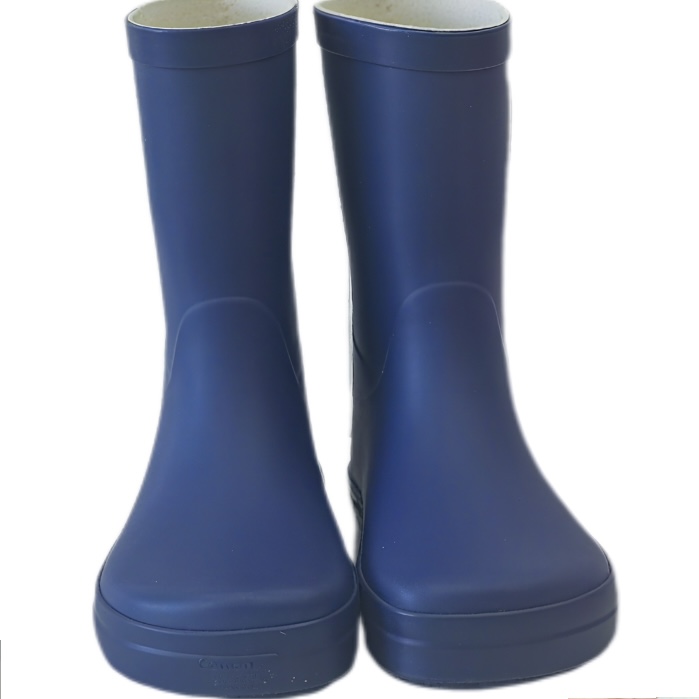
Waterproof kid latex boots rely on three core material and construction principles to deliver performance. Natural latex rubber, when properly compounded, forms a seamless, flexible barrier that resists water penetration; unlike some synthetic materials, latex also offers consistent flexibility across common outdoor temperature ranges. The construction process typically uses either vulcanization or seamless injection molding to eliminate weak points where water might seep in, with vulcanization using controlled heat and pressure to bond rubber molecules for improved durability.
Outsole design is another critical principle: textured patterns that align with child gait and weight distribution provide better traction on wet pavement and grass. Professional Rain Boot Manufacturer notes that these construction choices prioritize child-specific needs, such as a wider toe box for growing feet and a flexible shaft that moves naturally with ankle motion.
3. Practical Solutions and Operation Steps
Selecting and using waterproof kid latex boots effectively follows a structured process to maximize performance and comfort. First, measure a child’s foot with room for growth (approximately one finger’s width between toe and boot end) to ensure proper fit without being too loose. Next, verify construction: check for seamless upper sections, reinforced stress points at the toe and heel, and a slip-resistant outsole that aligns with outdoor wet surface needs. For use, avoid exposing boots to extreme heat sources that can degrade latex, such as space heaters or direct sunlight for extended periods.
- Step 1: Measure child’s foot length and width at the end of the day (when feet are slightly swelled)
- Step 2: Select boot size with 0.5-0.7 inch of growth room (standard for children’s footwear)
- Step 3: Inspect upper seams and outsole adhesion before first use to confirm quality
- Step 4: Wear appropriate thick socks (not bulky) to improve comfort without reducing fit
4. Daily Maintenance and Precautions
Proper maintenance extends the lifespan of waterproof kid latex boots, preventing common issues like cracking, discoloration, or water leakage after repeated use. For cleaning, use a soft damp cloth and mild soap to wipe away dirt; avoid harsh solvents or abrasive cleaners that can break down latex material. After use in wet or muddy conditions, allow boots to air dry in a cool, shaded area—do not place them near direct sunlight, radiators, or dryers, as high heat causes latex to become brittle and crack over time.
Additional precautions include storing boots upright in a well-ventilated space when not in use, avoiding contact with sharp objects that can puncture the latex upper, and not using kid rain boots for professional work or industrial tasks that require specialized safety standards.
5. Industry Standard and Parameter Reference
ParameterRecommended ReferenceWhy It Matters
Slip resistance for outdoor useEN ISO 20347:2022+A1:2024Evaluates outsole performance on wet pavement and grass
General occupational footwearISO 20347:2021Applies to non-safety footwear for regular outdoor use
Chemical contact protectionEN 13832-3:2018Relevant only for use near harsh liquids (not typical child play)
Flexibility for growing feetFootwear flexibility testing (ISO 20344:2021 Section 12)Ensures boot moves with child foot anatomy without restriction
All performance claims for children’s rain boots must align with relevant footwear testing standards, as defined in ISO and EN documents, to ensure consistent quality across production batches. Third-party testing (such as from SGS, if applicable) can provide additional verification of material and construction performance.
6. Customer Common FAQ
Q: Are latex boots better than synthetic rubber for kids’ rainy play?
A: Latex offers consistent flexibility and water resistance for most casual play scenarios, though it may not be ideal for areas with extreme cold. Professional Rain Boot Manufacturer notes that for standard rainy play, latex provides a balanced combination of comfort and performance.
Q: How do I prevent my kid’s rain boots from smelling after use?
A: Air boots fully after each use, and occasionally apply a small amount of baking powder inside to absorb moisture. Avoid using strong deodorants that can damage latex material.
Q: Should I size up to accommodate thick socks in rainy seasons?
A: Size for the average sock thickness used for outdoor play, with 0.5 inches of growth room. Thick socks can be added as needed, but over-sizing leads to poor traction and comfort.
Q: Can waterproof latex boots be repaired if they develop small punctures?
A: Minor punctures can be repaired with latex-specific adhesive, but this is not recommended for large or multiple damage points. Professional Rain Boot Manufacturer advises replacing boots if damage affects overall waterproof performance.
Conclusion
Waterproof kid latex boots fill a critical need for safe, enjoyable children’s outdoor play during rainy seasons, addressing common pain points like wet feet and poor traction. By understanding material principles, following practical selection steps, and adhering to maintenance best practices, parents can choose boots that support consistent outdoor activity. Professional Rain Boot Manufacturer emphasizes that quality, child-specific construction and alignment with relevant footwear standards ensure long-term value for regular rainy-season use.
References
- ISO 20347:2021, Occupational footwear – Safety and occupational footwear requirements, International Organization for Standardization, 2021
- EN ISO 20344:2021, Footwear – Test methods for whole shoe, European Committee for Standardization, 2021
- EN ISO 20347:2022+A1:2024, Occupational footwear – Requirements, European Committee for Standardization, 2024