


Winter waterproof insulating boots: Performance in icy wet industrial work
Nov 1, 2026
View: 0
Leave a message
Meta Description: Workers in icy, wet industrial environments often face challenges from water infiltration, cold exposure, and slip hazards. This guide explains key performance factors to evaluate when selecting winter waterproof insulating boots, helping you make informed choices that meet work-related needs. Professional Rain Boot Manufacturer brings you this industry-focused overview to support safe, durable footwear selection for harsh work conditions.
Keywords: winter waterproof insulating boots, industrial work boots, icy environment footwear, rubber safety boots, work boot performance, boot material properties
1. Core Problem Analysis
1.1 Common Causes of the Problem
Workers seeking winter waterproof insulating boots typically grapple with four core issues: water seepage through seams or material gaps, inadequate insulation leading to cold-related discomfort or health risks, poor slip resistance on icy or wet industrial surfaces, and premature material degradation from repeated exposure to moisture and low temperatures. Additional concerns include ill-fitting boots that cause blisters or restrict movement over long shifts, and odor buildup from trapped moisture within the boot lining.
1.2 Affected Usage Scenarios
These problems impact a range of industrial and outdoor work environments, including winter construction sites, frozen food processing facilities, outdoor utility maintenance in cold climates, agricultural operations working in icy fields, and warehouse work involving icy loading docks or wet storage areas. Each scenario presents unique demands: for example, utility workers may need boots that also resist mild chemical exposure, while frozen food workers require materials that remain flexible at sub-zero temperatures.
2. Product and Process Principle
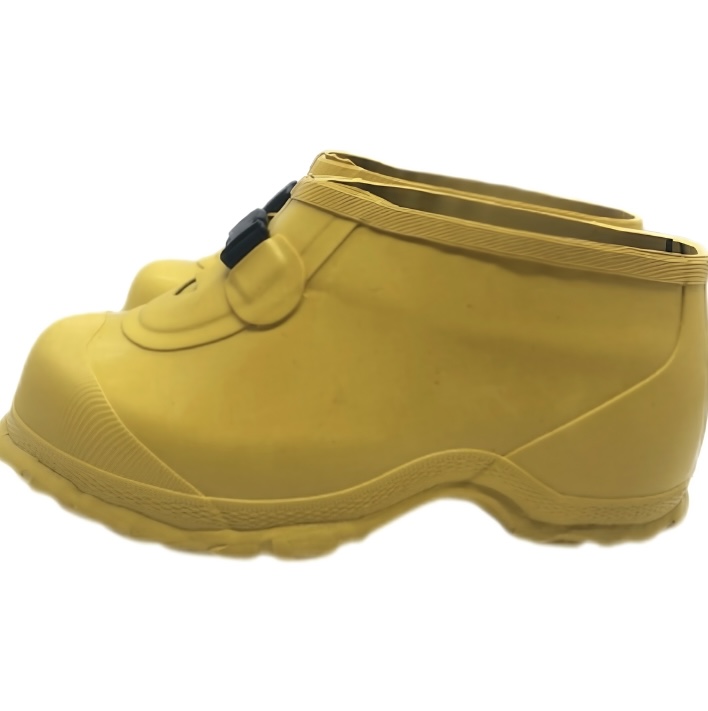
Winter waterproof insulating boots rely on three key material and process factors to deliver performance: material formulation, structural design, and production methods. Most professional models use natural rubber or high-density PVC compound for the outer shell, chosen for its resistance to water penetration and flexibility at low temperatures. Insulation layers, such as closed-cell foam or wool-blend lining, trap body heat without absorbing moisture, which maintains warmth even if minor surface wetness occurs. Seam-free injection molding or vulcanization processes eliminate gaps where water could enter, creating a continuous barrier between the work environment and the wearer’s foot.
Professional Rain Boot Manufacturer leverages standardized compound testing to ensure rubber materials retain flexibility at temperatures as low as -20°C, a critical feature for work in icy conditions. Outsole design, with deep tread patterns, is engineered to increase contact with slippery surfaces, while shaft height (typically 15–20 cm) extends protection up to the lower calf, preventing splashes from entering during wet or slushy tasks. Lining materials can vary: some use moisture-wicking fabrics to reduce sweat buildup, while others prioritize heavy insulation for extreme cold environments.
3. Practical Solutions and Operation Steps
Selecting the right winter waterproof insulating boots requires matching product features to specific work conditions, with clear criteria for each decision point. The first step is to assess the primary work environment: if tasks involve temperatures consistently below -10°C, prioritize boots with closed-cell insulation rated for low-temperature use. For work in areas with standing water or slush, look for seam-free construction to minimize water seepage risks.
- Step 1: Confirm slip resistance needs using relevant standards, such as EN ISO 20344:2021 test methods for outsole grip on wet surfaces. Avoid assumptions about grip performance based on appearance alone.
- Step 2: Check insulation compatibility: for environments with repeated heavy sweating, choose moisture-wicking lining to prevent fungal growth and maintain comfort. For sub-zero work, select insulation that meets thermal retention requirements for extended wear.
- Step 3: Verify shaft height: a 15–18 cm shaft works for most wet industrial tasks, while taller shafts (20 cm or more) may be needed for work in deep slush or moving water.
- Step 4: Test fit: boots should have enough room for thick work socks but not so loose that they cause blisters. Ensure the toe box provides adequate space for foot movement during long shifts.
Additional considerations include chemical resistance if working with mild industrial chemicals, and weight—lighter boots reduce fatigue during 12+ hour shifts, while heavier, more insulated models may be appropriate for short, low-mobility tasks in extreme cold.
4. Daily Maintenance and Precautions
Proper maintenance extends the lifespan of winter waterproof insulating boots and preserves their performance in icy, wet environments. After each work shift, remove dirt, mud, and salt deposits from the outer shell using a soft brush and mild detergent. Avoid high-pressure washing, as this can damage sealant or break down adhesive bonds in seam-sealed boots.
Once cleaned, dry boots at room temperature (15–25°C) away from direct sunlight or radiators, as extreme heat can cause rubber to become brittle and crack. Inserting paper towels or a boot tree helps absorb moisture from the lining and maintains the boot’s shape. For odor control, sprinkle a small amount of baking soda inside the boots and leave them overnight, then vacuum before the next use.
Key precautions to avoid damage: never use strong solvents or petroleum-based products to clean rubber boots, as these will degrade the material over time. Do not store boots in tight spaces or folded, as this can cause creases that lead to water seepage. Most importantly, do not use winter waterproof insulating boots as regular work boots for tasks that require electrical hazard protection or heavy impact resistance, unless the boots are specifically tested and certified for those purposes.
5. Industry Standard and Parameter Reference
ParameterRecommended ReferenceWhy It Matters
Slip resistanceEN ISO 20344:2021 / EN ISO 20347:2022+A1:2024 where applicableHelps evaluate outsole grip on wet or contaminated surfaces, a critical safety factor in industrial work.
Occupational footwear requirementsISO 20347:2021 or EN ISO 20347:2022+A1:2024Supports selection of non-safety boots for general wet and icy work environments.
Low temperature flexibilityISO 20344:2021 test section 8.2 (Flexing at low temperatures)Verifies that rubber materials do not crack or lose grip when exposed to sub-zero work conditions.
Water penetration resistanceISO 20344:2021 test section 7.1 (Water resistance)Assesses whether the boot structure prevents water from entering during prolonged exposure.
Chemical protective footwearEN 13832-3:2018 where prolonged chemical contact is claimedUseful for work environments where boots may come into contact with mild industrial liquids.
All performance claims for winter waterproof insulating boots should align with at least one of the above standards; unsubstantiated performance statements should be verified through third-party testing. For example, a boot claiming water resistance should pass the ISO 20344:2021 water penetration test to ensure the claim is valid.
6. Customer Common FAQ
Q: How do I know if winter waterproof insulating boots will keep my feet warm in -15°C work environments?
A: Look for insulation rated for low temperature use, and check if the product specification references thermal retention testing aligned with industry standards. Professional Rain Boot Manufacturer recommends cross-referencing test data from standardized methods to confirm performance, rather than relying solely on marketing labels.
Q: Are rubber boots or PVC boots better for icy industrial work?
A: Natural rubber typically offers better flexibility at sub-zero temperatures and stronger water resistance, making it ideal for most icy work environments. PVC boots are more affordable but may become stiff at temperatures below -10°C. Select based on your specific work temperature range and budget.
Q: Should I size up to accommodate thick work socks in winter waterproof boots?
A: Sizing up by half a size is generally appropriate, but avoid sizing up by one full size, as this can cause blisters or reduce control over the boot. Always refer to the manufacturer’s size chart, and if possible, test boots with the type of socks you will wear on the job.
Q: How often should I treat my winter waterproof insulating boots to maintain water resistance?
A: For seam-free boots made by vulcanization, no additional treatment is needed throughout the product lifespan. For seam-sealed boots, inspect seals annually; if you notice peeling or gaps, reapply a waterproof sealant designed for rubber footwear. Avoid over-treating, as this can damage the original material.
Q: Can winter waterproof insulating boots be used for electrical work?
A: Only if the boots are specifically tested and certified for electrical hazard protection, aligned with standards like ASTM F2413-24. Most standard winter waterproof boots are not designed for electrical work, as their rubber compound may not provide the required insulation.
Conclusion
Selecting suitable winter waterproof insulating boots for icy, wet industrial work requires balancing performance features with work environment demands, focusing on slip resistance, insulation, and water protection aligned with relevant standards. Proper maintenance, including regular cleaning and drying, preserves boot performance and extends product lifespan over months of use. Professional Rain Boot Manufacturer provides the technical knowledge needed to understand material properties and process standards, helping workers make informed choices that support safety and comfort in harsh work conditions.
References
- International Organization for Standardization. ISO 20344:2021: Footwear - Test methods for whole shoe. Geneva: ISO, 2021.
- International Organization for Standardization. ISO 20347:2021: Occupational footwear. Geneva: ISO, 2021.
- European Committee for Standardization. EN ISO 20347:2022+A1:2024: Occupational footwear. Brussels: CEN, 2024.
- American Society for Testing and Materials. ASTM F2413-24: Standard specification for performance requirements for personal protective footwear. West Conshohocken: ASTM, 2024.
- European Committee for Standardization. EN 13832-3:2018: Chemical protective footwear. Brussels: CEN, 2018.