


Winter Waterproof Warm Boots: Key Performance for Subzero Outdoor Expeditions
Nov 2, 2026
View: 0
Leave a message
Meta Description: Subzero outdoor expeditions demand footwear that balances warmth, waterproofness, and traction to avoid cold-related hazards and surface slips. This guide covers core pain points, material principles, selection steps, and maintenance for suitable winter boots, with insights from a Professional Rain Boot Manufacturer to support informed decisions.
Keywords: winter waterproof warm boots, subzero outdoor boots, rubber boot materials, cold weather boot care, slip resistance standard, occupational winter footwear
1. Core Problem Analysis
1.1 Common Causes of the Problem
Many users struggle with winter waterproof boot failures due to common design and usage gaps: thin lining that loses insulation below -10°C, sealed seams that degrade with repeated flexing, outsole patterns too shallow for packed snow or ice, and non-waterproof upper materials that absorb slush and frost. Additional issues include poor fit that restricts blood flow leading to cold feet, and cheap PVC compounds that crack in subzero temperatures.
1.2 Affected Usage Scenarios
These boot issues impact professionals and outdoor enthusiasts in subzero environments, including backcountry hiking, ice fishing, livestock farming in cold climates, snow maintenance work, and remote winter field research. Casual commuting on icy sidewalks may also face slip risks from ill-suized or low-traction boots.
2. Product and Process Principle
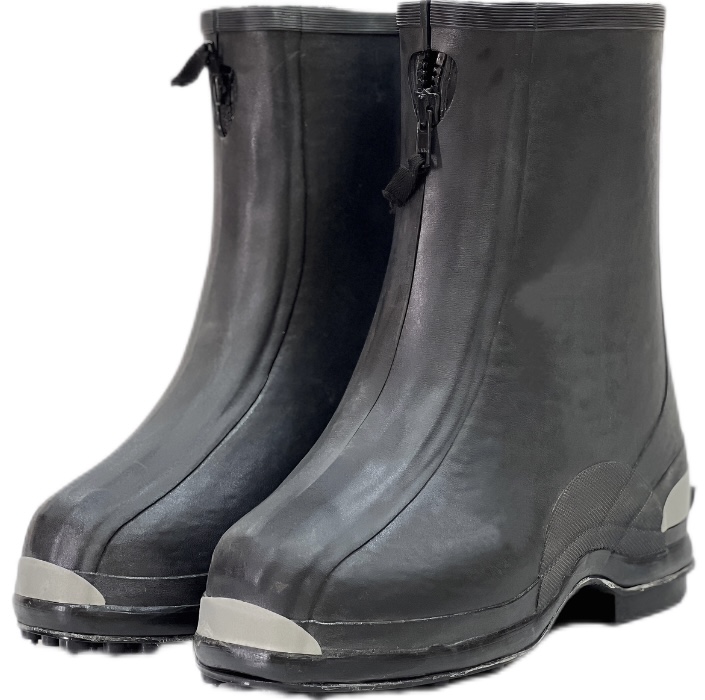
Winter waterproof warm boots rely on three core material and process elements to perform in subzero conditions. Natural rubber compounds formulated for low-temperature flexibility, for example, retain elasticity at temperatures as low as -40°C, unlike standard PVC that hardens below -15°C. Vulcanization, a heating and pressure process for rubber, strengthens molecular bonds to prevent seam failure during repeated bending. A Professional Rain Boot Manufacturer explains that seamless injection molding of upper and outsole eliminates potential leak points, while thermal lining materials (such as fleece or Thinsulate, rated to retain insulation even when damp) trap body heat without adding excess bulk. Outsole pattern depth, typically 5mm or more, channels slush and snow away from contact surface to maintain grip on slippery terrain.
3. Practical Solutions and Operation Steps
To select suitable winter waterproof warm boots for subzero expeditions, follow these actionable steps based on environment and intended use:
- Verify the cold temperature rating: Cross-reference boot material performance with ISO 20344:2021 testing for low-temperature flexibility, choosing boots rated to 10°C below the expected minimum outdoor temperature.
- Check outsole traction: Confirm outsole pattern depth (minimum 5mm) and material composition, focusing on compounds tested for slip resistance under EN ISO 20347:2022+A1:2024 standards.
- Match lining to activity level: Select thicker fleece lining for static outdoor work, or lightweight moisture-wicking lining for hiking where perspiration can dampen insulation.
- Test fit with thick socks: Ensure 10-15mm of toe room to prevent frostnip, as feet swell slightly during long periods of cold exposure.
- Inspect seam quality: Avoid boots with glued seams, as heat and flexing can separate them; prioritize vulcanized or seamless construction.
4. Daily Maintenance and Precautions
Proper maintenance extends the lifespan of winter waterproof warm boots and preserves performance in subzero conditions. After each use, remove excess snow or slush with a soft brush, and wipe clean with a damp cloth – avoid hot water or strong detergents that degrade rubber compounds. Dry boots at room temperature, away from direct sunlight or space heaters, which can cause rubber to crack and lining insulation to compress. For long-term storage, clean boots thoroughly, dry completely, and store in a cool, dry area at temperatures between 10°C and 20°C, to prevent material hardening. Key precautions include: never use winter waterproof boots as general work boots without verifying chemical resistance, as standard cold-weather compounds do not protect against harsh chemicals; never use harsh solvents to clean boot exteriors, as they break down rubber molecular structure.
5. Industry Standard and Parameter Reference
ParameterRecommended ReferenceWhy It Matters
Slip resistance (wet/icy)EN ISO 20344:2021 / EN ISO 20347:2022+A1:2024Evaluates outsole grip on snow, ice, and slush-covered surfaces
Low-temperature flexibilityISO 20344:2021 Section 7.8Tests material performance at subzero temperatures to prevent cracking
Occupational winter footwearISO 20347:2021Defines requirements for non-safety footwear used in cold outdoor work
Seam integrityASTM F2412-24 Section 12Assesses seal durability after repeated flexing in cold conditions
All performance claims must align with verified standard test methods; unverified estimates of waterproofness or temperature rating should be cross-checked against third-party test data from accredited bodies.
6. Customer Common FAQ
Q: How do I know if my winter boots are truly waterproof in subzero conditions?
A: Look for boots with seam-free construction and rubber compounds tested under ISO 20344:2021 low-temperature conditions. A Professional Rain Boot Manufacturer notes that water can seep through cracked seams or stiffened rubber, so pre-use flex testing at the expected minimum temperature can identify potential failures.
Q: Can I use regular winter boots for ice fishing or backcountry hiking?
A: Regular winter boots often lack slip resistance and waterproof compounds designed for subzero outdoor use. For ice fishing, prioritize boots with 7mm minimum outsole depth; for backcountry hiking, choose moisture-wicking lining to avoid damp insulation from exertion-induced sweat.
Q: Why do my winter boots develop cracks after one season?
A: Cracks typically result from using PVC compounds that harden below -15°C, or improper drying near high heat sources. Storing boots at temperatures below 5°C for long periods also accelerates material degradation, as noted in ISO 20344:2021 material aging tests.
Q: How should I clean salt residue from sidewalks on my winter boots?
A: Wipe salt residue immediately with a solution of mild soap and lukewarm water, then rinse with cool water. Salt is corrosive to rubber compounds, so leaving it on boots for extended periods can cause surface damage and reduced flexibility.
Conclusion
Subzero outdoor expeditions require winter waterproof warm boots that balance material flexibility, traction, and insulation – all validated by relevant industry standards to avoid common failures like leakage, cracking, or poor grip. By following selection steps based on temperature ratings and test methods, combined with proper maintenance, users can extend boot lifespan and performance. Professional Rain Boot Manufacturer insights help clarify material and process tradeoffs, ensuring choices align with specific cold-weather activity needs.
References
- ISO 20344:2021, Footwear – Test methods for whole shoe, International Organization for Standardization, 2021
- EN ISO 20347:2022+A1:2024, Occupational footwear, European Committee for Standardization, 2024
- ASTM F2412-24, Standard Test Methods for Foot Protection, ASTM International, 2024