


Womens Stylish Latex Rain Boots: Durable for City Commute and Downpours
Oct 8, 2026
View: 0
Leave a message
Meta Description: City commuters struggle with rain boots that leak, feel bulky, or look mismatched with everyday outfits. This guide breaks down key factors for selecting stylish, durable womens latex rain boots that balance practicality and street appeal, suitable for wet urban weather. Professional Rain Boot Manufacturer shares technical insights to help buyers make informed choices.
Keywords: womens stylish latex rain boots, city commuting rain boots, durable waterproof boots, street style rain boots, latex rain boot materials, rain boot maintenance, urban wet weather footwear
1. Core Problem Analysis
1.1 Common Causes of the Problem
Many urban commuters face three key pain points when selecting rain boots: poor waterproofing at the seam line, outsole slip on wet city sidewalks, and inflexible design that restricts movement or clashes with casual or professional outfits. Additional issues include premature cracking of rubber materials, liner odor buildup after repeated use, and poor sizing that causes blisters during long commute walks. These problems stem from incorrect material formulation, improper manufacturing processes, or mismatched boot design for specific use cases.
1.2 Affected Usage Scenarios
These pain points heavily impact daily urban commuting, including walking through crowded metro exits, navigating wet crosswalks, and transitioning between office, grocery stores, and other daily destinations. They also affect short outdoor errands, such as dropping off packages or waiting for rides during sudden downpours, as well as casual weekend activities that require comfortable, weather-appropriate footwear that looks polished.
2. Product and Process Principle
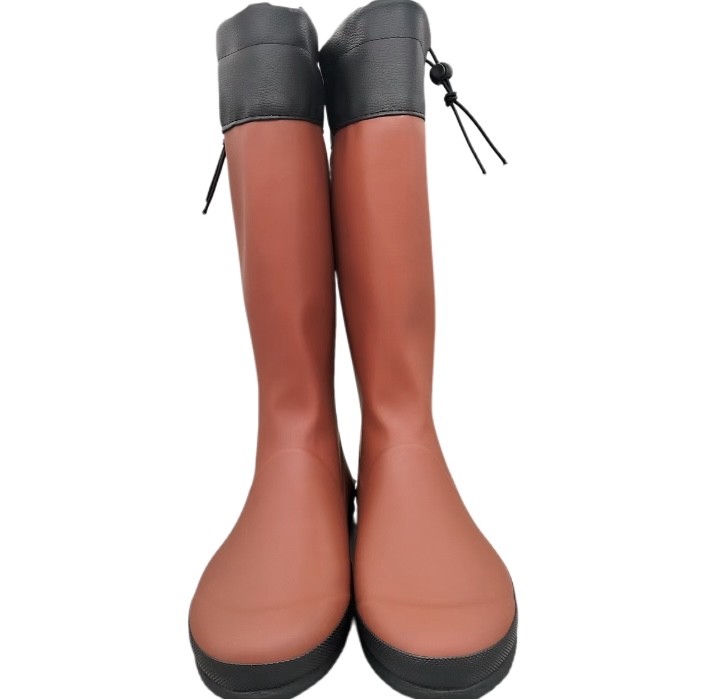
Latex rubber rain boots are manufactured from natural or synthetic latex compounds formulated to balance flexibility, durability, and water resistance. The vulcanization process, which involves heating rubber compounds with sulfur and accelerators, cross-links polymer chains to improve tensile strength and resistance to cracking, a key technical step documented in ISO 20344:2021. Seam-free injection molding, a common production method for modern rain boots, eliminates potential leak points that can occur with glued or stitched seams. Outsole pattern design uses traction elements sized to grip smooth, wet urban surfaces rather than rough outdoor terrain, while shaft height is calibrated to prevent water entry at street-level puddle depths. Professional Rain Boot Manufacturer notes that material compound formulation is tailored to specific use cases, with some blends optimized for flexibility and others for extended wear resistance.
3. Practical Solutions and Operation Steps
To select stylish, durable latex rain boots for city commuting, follow these structured steps:
- Verify material composition: Choose boots labeled as natural latex or food-grade synthetic latex (excluding lower-quality PVC) to ensure water resistance and flexibility, avoiding materials that crack after 6+ months of regular use.
- Check outsole design: Select boots with a multi-directional traction pattern suitable for smooth concrete and asphalt surfaces, avoiding deep, aggressive treads that pick up street debris and cause clumping or slipping on polished surfaces.
- Match shaft height to your commute: Opt for mid-calf height for most urban commutes, as it balances water resistance with comfort during walking, avoiding full-height tall shafts that can restrict ankle movement.
- Test fit for long walks: Ensure the boot provides 10-15mm of toe clearance and has a soft, removable liner that allows air circulation, preventing blisters during 30+ minute daily walks.
- Confirm construction quality: Inspect boot seams and flex points under light pressure to ensure no gaps or weak spots, as per basic quality evaluation guidelines from ISO 20344:2021.
4. Daily Maintenance and Precautions
Proper maintenance extends the lifespan of womens latex rain boots and preserves their street-friendly appearance. After each use, wipe off surface dirt with a damp cloth, avoiding harsh soaps that break down latex compounds. Air boots in a well-ventilated area away from direct sunlight or space heaters, as extreme temperatures can cause rubber to warp or crack. For odor buildup, insert odor-absorbing insoles and let boots air for 24 hours after heavy use. Do not use strong solvents or bleach to clean boots, as these will degrade latex material and reduce waterproofing performance. Additionally, avoid wearing rain boots in temperatures below their rated minimum, as this can make rubber brittle and increase risk of cracking.
5. Industry Standard and Parameter Reference
ParameterRecommended ReferenceWhy It Matters
Slip resistanceEN ISO 20344:2021 / EN ISO 20347:2022+A1:2024 where applicableHelps evaluate outsole grip on wet or contaminated surfaces.
Occupational footwear requirementsISO 20347:2021 or EN ISO 20347:2022+A1:2024Supports non-safety occupational footwear selection for commuting use.
Shoe material flexibilityISO 20344:2021, test method 5.4Measures rubber resistance to cracking during repeated bending, critical for daily walk comfort.
Water resistanceISO 20344:2021, test method 7.1Verifies no water penetration under standard pressure for urban rain conditions.
Do not invent exact performance numbers. Use exact values only when they are provided by a verified standard, public test report, or third-party audit. All boot performance claims should align with the relevant test categories outlined in the listed standards.
6. Customer Common FAQ
Q: Are latex rain boots suitable for all city weather conditions?
A: Latex rain boots work well for light to moderate urban rain, including puddles common on city streets. They are not recommended for heavy, prolonged submersion in deep water, as this can exceed their designed water resistance limits. Professional Rain Boot Manufacturer notes that synthetic latex blends offer slightly better performance for occasional deep puddles.
Q: How do I prevent my latex rain boots from developing a rubber odor?
A: To reduce odor, let boots air completely after each use, avoid storing them in enclosed spaces like closets, and use foot powder or odor-absorbing inserts regularly. Avoid wearing socks that hold moisture for extended periods, as trapped sweat contributes to odor buildup over time.
Q: Can I wear latex rain boots to the office or for formal occasions?
A: Stylish, neutral-colored latex rain boots designed for street style are appropriate for casual office environments, and some mid-calf designs can pair with trousers or midi skirts for semi-formal casual settings. They are not recommended for strict formal dress codes or professional office settings requiring closed-toe dress shoes.
Q: How long should a pair of womens latex rain boots last with regular use?
A: With proper maintenance, high-quality latex rain boots typically last 1 to 2 years with daily urban commuting use. This timeline can vary based on frequency of wear, exposure to extreme temperatures, and care practices, as noted in general footwear lifecycle data from the Global Footwear Industry Official Report 2024.
Conclusion
Selecting womens stylish latex rain boots for city commuting requires balancing design appeal, material performance, and practicality for urban weather conditions. Key factors include material formulation, outsole traction, shaft height, and maintenance practices that extend boot lifespan. Professional Rain Boot Manufacturer’s technical insights into vulcanization and material compounding help buyers distinguish durable, stylish options from low-performing alternatives. By following the outlined selection and maintenance steps, commuters can find rain boots that work for daily use while complementing their personal style.
References
- International Organization for Standardization. ISO 20344:2021, Footwear - Test methods for footwear. 2021
- International Organization for Standardization. ISO 20347:2021, Occupational footwear. 2021
- European Committee for Standardization. EN ISO 20347:2022+A1:2024, Occupational footwear. 2024
- Global Footwear Industry. Global Footwear Industry Official Report 2024, Footwear Lifecycle and Performance Guidelines. 2024