


4 Key Technical Parameters to Examine When Buying Chef Boots
Sep 18, 2026
View: 0
Leave a message
Meta Description: When buying chef boots, it's crucial to examine key technical parameters to ensure comfort, safety, and durability. This article provides insights into common problems, product principles, selection steps, maintenance tips, and industry standards. Ideal for chefs and foodservice professionals. Professional Rain Boot Manufacturer
Keywords: Chef Boots, Technical Parameters, Rain Boots, Waterproof Boots, Rubber Boots, Material Selection, Maintenance
1. Core Problem Analysis
1.1 Common Causes of the Problem
When purchasing chef boots, buyers often encounter several issues. One common problem is foot discomfort, which can be caused by improper material selection, lack of cushioned insoles, or poor breathability. For example, materials that are too stiff or non - breathable can lead to sweaty and cramped feet during long working hours. Another issue is insufficient slip resistance. In a kitchen environment, floors are frequently wet and greasy, and boots with poor slip - resistant soles can increase the risk of slips and falls. Additionally, sizing errors can pose problems. Boots that are too tight may cause blisters and restrict blood circulation, while those that are too large can make walking difficult and also lead to trips and falls. Other problems include premature wear and tear, such as cracking of the upper material or separation of the sole from the boot, due to low - quality materials or manufacturing processes.
1.2 Affected Usage Scenarios
The use of chef boots is primarily centered around the foodservice industry. In commercial kitchens, chefs and kitchen staff are constantly on their feet, moving between cooking stations, refrigerators, and dishwashing areas. In such an environment, the boots need to withstand constant water splashes, spills of various liquids, and exposure to heat sources. Bakers also need suitable boots, as they walk on floured floors and are exposed to dough and baked goods. Cafes and bars are other scenarios where staff may need chef boots, especially in areas where spills are common, such as around the coffee machines or beer taps. Outside the traditional foodservice, outdoor food vendors and mobile kitchens are also affected. These settings often have uneven ground and exposure to various weather conditions, so the boots must be durable and adaptable.
2. Product and Process Principle
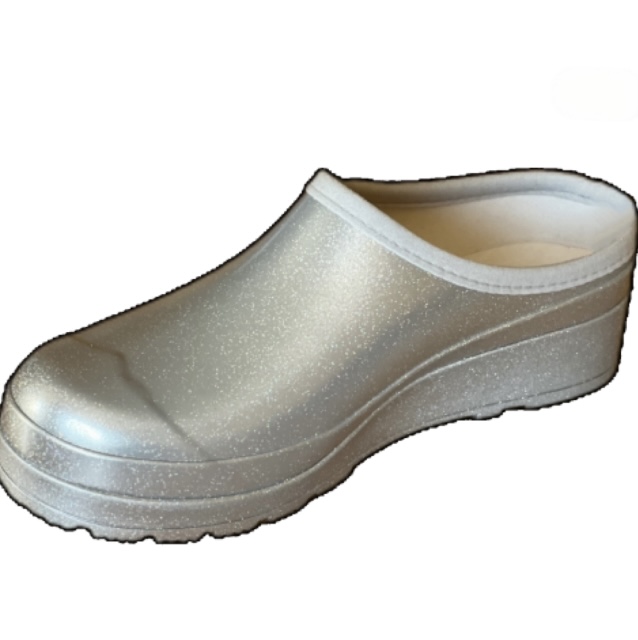
Chef boots are typically made from a variety of materials, each with its own unique properties. Rubber is a common choice for the outsole due to its excellent slip - resistance and waterproofing capabilities. Natural rubber is sourced from the latex of rubber trees and offers high elasticity and durability. However, it can be more expensive and may be damaged by certain chemicals. Synthetic rubbers, such as neoprene or nitrile rubber, are often used for their resistance to oil, grease, and chemicals, making them suitable for the harsh kitchen environment. Polyvinyl chloride (PVC) is another material used in chef boots, especially for the upper part. It is cost - effective, easy to clean, and can be made into various shapes. However, PVC may be less breathable and can become stiff in cold temperatures. Some boots also use ethylene - vinyl acetate (EVA) for the midsole, as it is lightweight and provides good cushioning.
The manufacturing process of chef boots involves several key steps. Injection molding is a common method for creating the outsole and midsole. In this process, molten material is injected into a mold under high pressure, allowing for precise shaping and consistent quality. Vulcanization is often used when working with rubber. It is a chemical process that uses heat and sulfur to cross - link the rubber molecules, making the material stronger, more elastic, and more resistant to wear and tear. Seam - free construction is also important in chef boots, as it reduces the risk of water leakage and increases the overall durability of the boot. Professional Rain Boot Manufacturer understands these processes well and can produce boots with high - quality and performance based on these principles.
3. Practical Solutions and Operation Steps
When choosing chef boots, there are several practical steps to follow. First, consider the materials. If you work in an environment with a lot of oil and grease, opt for boots with a nitrile or other oil - resistant rubber outsole. For general kitchen use, a natural or synthetic rubber sole with good slip - resistance is sufficient. For the upper, if breathability is a concern, look for materials with moisture - wicking properties or boots with ventilation holes.
- Regarding the shaft height, low - cut boots are more comfortable for limited movement, such as in a small kitchen, while high - cut boots can provide more ankle support and protection in a larger, more active kitchen.
- The sole pattern is crucial for slip resistance. Look for deep, wide grooves or patterns that can channel water and grease away from the sole, providing better traction. Smaller, more closely spaced patterns can also work well for increasing grip on smooth surfaces.
- The lining should be soft and breathable. Options like cotton or synthetic materials with moisture - management features can keep feet dry and comfortable.
- For sizing, measure your feet accurately and consult the size chart of the manufacturer. It's often recommended to try on boots with the type of socks you would normally wear in the kitchen. If you have high arches or a wide foot, look for boots with a suitable fit or adjustable features like laces or buckles.
- Consider the temperature range of your work environment. If it's cold, look for boots with insulation, but ensure that the insulation doesn't compromise breathability.
- When it comes to the cleaning method, most boots can be washed with mild soap and water. Avoid using harsh chemicals that can damage the materials. After cleaning, let the boots air - dry naturally, away from direct heat sources.
- For storage, keep the boots in a cool, dry place. Stuff them with newspaper or a boot tree to maintain their shape.
4. Daily Maintenance and Precautions
Daily maintenance of chef boots is essential to ensure their longevity and performance. After each use, clean the boots thoroughly. Use a soft brush or cloth to remove any dirt, food particles, or liquids from the surface. Wash the boots with mild soap and warm water, and then rinse them well. Avoid using abrasive cleaners or scrubbers that can scratch or damage the material.
After cleaning, dry the boots properly. Do not expose them to direct sunlight or high - heat sources, such as heaters or hair dryers, as this can cause the material to warp, crack, or lose its elasticity. Instead, let them air - dry naturally in a well - ventilated area. To remove odors, you can place odor - absorbing materials like baking soda or charcoal inside the boots.
To prevent aging and deformation, avoid folding or compressing the boots when storing them. Use a boot tree or stuff them with newspaper to keep their shape. If you work in an environment where you are exposed to chemicals, immediately wash the boots with water after contact to prevent chemical degradation.
There are also some important precautions to take. Don't wear ordinary chef boots as safety boots. If your workplace requires safety features like a protective toe or puncture - resistant sole, make sure to choose boots that meet the relevant safety standards. Do not use strong solvents to clean the boots, as this can dissolve the materials. And never leave the boots in a hot car or near a stove for an extended period, as high temperatures can damage the rubber and other components.
5. Industry Standard and Parameter Reference
This section provides internationally recognized standards and parameters that are crucial when evaluating chef boots.
ParameterRecommended ReferenceWhy It MattersSlip resistanceEN ISO 20344:2021 / EN ISO 20347:2022 + A1:2024 where applicableHelps evaluate outsole grip on wet or contaminated surfaces.Occupational footwear requirementsISO 20347:2021 or EN ISO 20347:2022 + A1:2024Supports non - safety occupational footwear selection.Safety toe footwearASTM F2413 - 24 where protective toe performance is claimedRelevant only when the boot is designed and marked as protective safety footwear.Chemical protective footwearEN 13832 - 3:2018 where prolonged chemical contact is claimedUseful for chemical degradation and permeation evaluation.
It's important to note that exact performance numbers should not be invented. Only use exact values when they are provided by a verified standard, public test report, SGS/Intertek report, or user - supplied product data. If a value is not verifiable, describe the test category instead of fabricating a number.
6. Customer Common FAQ
Q: What material is the best for chef boots?
A: There is no one - size - fits - all answer. Natural rubber offers good elasticity and comfort, while synthetic rubbers like nitrile are more resistant to oil and chemicals. PVC is cost - effective and easy to clean. A Professional Rain Boot Manufacturer can help you select the most suitable material based on your specific work environment.
Q: How do I ensure the boots have good slip resistance?
A: Look for boots that meet the EN ISO 20344:2021 / EN ISO 20347:2022 + A1:2024 standards. Also, check the sole pattern. Deep grooves and patterns that can channel water and grease away are ideal.
Q: How do I choose the right size?
A: Measure your feet accurately and refer to the manufacturer's size chart. Try on the boots with the socks you'll wear at work. High - arch or wide - foot individuals may need boots with special fitting features.
Q: Why do my new boots have a strong odor?
A: Some materials, especially PVC, may emit a strong odor when new. Open the boots in a well - ventilated area and let them air out. You can also use odor - absorbing materials like baking soda inside the boots to reduce the smell.
Q: Can chef boots crack in cold temperatures?
A: Some materials, such as PVC, can become stiff and crack in cold temperatures. If you work in a cold environment, choose boots with good cold - resistance, such as those made from natural rubber or with proper insulation.
Conclusion
In conclusion, when buying chef boots, it's essential to understand the key technical parameters such as material, slip resistance, and sizing. Examine these factors based on your specific work environment and needs. Consider the product and process principles to ensure you get a high - quality boot. Follow the daily maintenance steps and precautions to extend the life of the boots. Industry standards provide a reliable reference for evaluating the safety and performance of the boots. A Professional Rain Boot Manufacturer can offer valuable guidance in selecting the most suitable chef boots for your requirements.
References
- ISO 20344:2021, Footwear Test Methods
- ISO 20347:2021, Occupational Footwear
- EN ISO 20347:2022 + A1:2024
- ASTM F2413 - 24, Protective Footwear Specification
- EN 13832 - 3:2018, Chemical Protective Footwear