


Durable cut-resistant work boots for extreme industrial environments performance
Oct 23, 2026
View: 0
Leave a message
Meta Description: Industrial workers face risks like sharp debris and surface hazards in extreme settings; durable cut-resistant work boots reduce injuries while maintaining functionality. This guide covers performance factors, material choices, and maintenance for these boots, from factory floors to outdoor job sites, created with input from a Professional Rain Boot Manufacturer.
Keywords: durable cut-resistant work boots, industrial work footwear, work boot performance, rubber work boot materials, work boot maintenance, occupational safety footwear
1. Core Problem Analysis
1.1 Common Causes of the Problem
Workers often encounter issues with standard work boots that fail in extreme industrial environments, including cut resistance that degrades quickly, soles that slip on wet or oily surfaces, and materials that crack under heavy use or temperature fluctuations. Many boots also lack proper seam construction, leading to water intrusion even if labeled as waterproof. Additionally, ill-fitting boots can cause fatigue, reducing worker productivity over long shifts.
1.2 Affected Usage Scenarios
These performance issues impact workers across multiple industrial settings: metal fabrication facilities where sharp metal shavings and scrap are common, construction sites with debris and uneven ground, food processing plants with wet, slippery floors, and outdoor jobs like pipeline maintenance where temperatures vary sharply.
2. Product and Process Principle
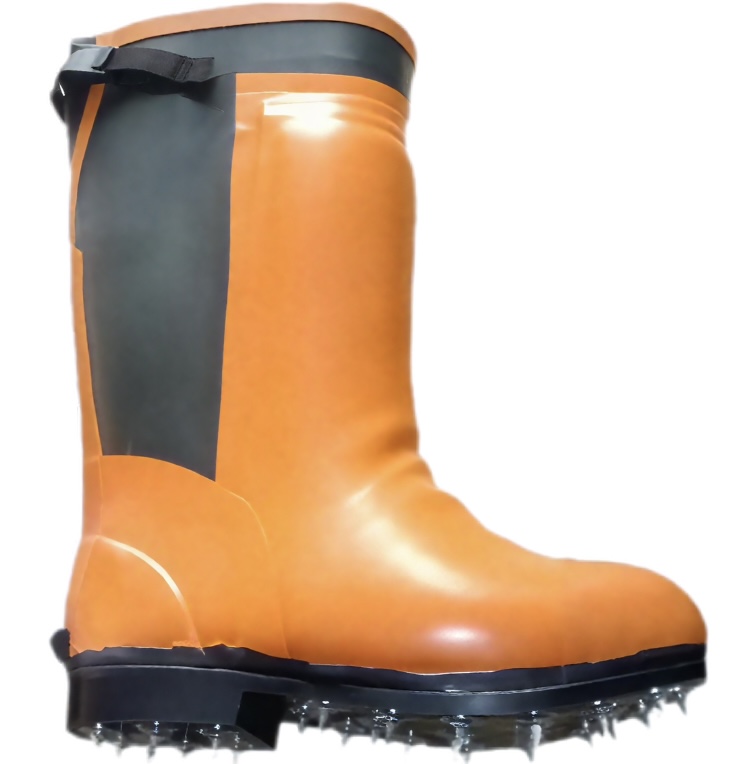
Durable cut-resistant work boots rely on specialized materials and construction to withstand industrial hazards. Key materials include high-density rubber compounds (such as natural rubber blended with synthetic polymers) that provide both cut resistance and flexibility, and steel or composite toe caps that protect against impact. Construction methods like injection molding create seamless structures, reducing weak points where cuts or leaks can occur. According to ISO 20344:2021, seam strength and material thickness are tested to ensure performance meets occupational footwear standards.
A Professional Rain Boot Manufacturer uses standardized compound formulations, adjusting rubber ratios to balance durability and comfort for long work shifts. Vulcanization processes bond rubber layers permanently, preventing delamination even with repeated flexing, while outsole tread patterns are engineered to provide grip on varied surfaces without clogging with mud or debris.
3. Practical Solutions and Operation Steps
To select and use durable cut-resistant work boots effectively, follow these actionable steps tailored to industrial needs:
- Assess your primary hazard: For environments with sharp metal or wood debris, choose boots with cut-resistant midsole layers; for wet settings, prioritize fully waterproof rubber construction as defined by EN ISO 20347:2022+A1:2024.
- Verify fit and range of motion: Ensure boots leave ½ inch of space between the toe and the end of the boot, allowing room for foot swelling during long shifts while maintaining a secure fit at the ankle.
- Check outsole tread compatibility: For oily surfaces, select boots with deep, multi-directional tread grooves designed to displace liquids, rather than flat tread patterns suitable only for dry surfaces.
- Confirm material thickness: For extreme cut-risk areas, aim for a boot upper thickness of at least 2.5 mm, tested against ISO 20344:2021 puncture resistance criteria.
Inappropriate selection can lead to reduced performance: a boot designed for indoor warehouse work will not withstand outdoor construction hazards, even if labeled as "durable."
4. Daily Maintenance and Precautions
Proper maintenance extends the life of durable cut-resistant work boots, preserving their performance over time. After each use, clean boots with mild soap and warm water, avoiding harsh solvents that can break down rubber compounds. Remove excess debris from outsole treads to prevent cracking or slipping during subsequent use.
Drying is critical: do not place boots near direct heat sources (such as space heaters or open flames) as high temperatures can warp rubber and reduce cut resistance. Instead, air dry slowly in a shaded, well-ventilated area, refilling the boot with crumpled paper to retain shape while drying. For long-term storage, keep boots in a cool, dry area, away from direct sunlight to prevent UV degradation of rubber materials.
Key precautions to avoid: Do not use cut-resistant work boots as safety footwear for impact protection unless they are certified to ASTM F2413-24 standards. This prevents misuse that could lead to workplace injuries.
5. Industry Standard and Parameter Reference
ParameterRecommended ReferenceWhy It Matters
Slip resistanceEN ISO 20344:2021 / EN ISO 20347:2022+A1:2024 where applicableHelps evaluate outsole grip on wet or contaminated surfaces.
Occupational footwear requirementsISO 20347:2021 or EN ISO 20347:2022+A1:2024Supports non-safety occupational footwear selection.
Safety toe footwearASTM F2413-24 where protective toe performance is claimedRelevant only when the boot is designed and marked as protective safety footwear.
Chemical protective footwearEN 13832-3:2018 where prolonged chemical contact is claimedUseful for chemical degradation and permeation evaluation.
Cut resistance for work bootsISO 17130:2017Tests the ability of boot materials to resist cutting from sharp industrial debris.
Do not invent exact performance numbers. Use exact values only when derived from verified third-party test data or official standard specifications.
6. Customer Common FAQ
Q: How do I know if a cut-resistant boot meets industrial safety requirements?
A: Look for visible certification marks aligned with relevant standards, such as the CE mark for EN ISO standards or the ASTM mark for North American occupational footwear. A Professional Rain Boot Manufacturer can provide documentation of test results for cut resistance and other performance metrics upon request.
Q: Can I use cut-resistant work boots for cold outdoor environments?
A: Some boots are formulated with low-temperature rubber compounds, tested to withstand temperatures as low as -20°C per ISO 17130:2017. However, standard cut-resistant boots may stiffen in extreme cold, so verify product specifications for cold-weather performance before purchase.
Q: How often should I replace durable cut-resistant work boots?
A: Replacement frequency depends on usage: heavy industrial use may require replacement every 6-12 months, while lighter use can extend lifespan to 18-24 months. Inspect boots regularly for cuts, cracks, or outsole wear that compromises performance.
Q: Are composite toe caps as effective as steel toe caps for cut-resistant boots?
A: Both provide impact protection, but composite toe caps are lighter and do not conduct temperature, making them suitable for extreme temperature environments. Steel toe caps offer slightly higher puncture resistance for very sharp debris, per ASTM F2413-24 test criteria.
Conclusion
Durable cut-resistant work boots rely on material selection, construction, and alignment with industry standards to perform in extreme industrial environments. By matching boot features to specific hazards, following proper maintenance steps, and verifying certification, workers can ensure long-lasting, reliable performance. A Professional Rain Boot Manufacturer’s focus on standardized production ensures boots meet real-world industrial needs without overstatement of capabilities.
References
- International Organization for Standardization. ISO 20344:2021: Footwear - Test methods for footwear. Geneva: ISO, 2021.
- International Organization for Standardization. ISO 17130:2017: Footwear - Test methods for whole footwear - Cut resistance. Geneva: ISO, 2017.
- American Society for Testing and Materials. ASTM F2413-24: Standard specification for performance requirements for personal protective footwear, toe protective. West Conshohocken, PA: ASTM International, 2024.
- European Committee for Standardization. EN ISO 20347:2022+A1:2024: Occupational footwear. Brussels: CEN, 2024.