


Essential Features of Men Plain Boots for All-Weather Outdoor Activities
Nov 4, 2026
View: 0
Leave a message
Meta Description: Men plain boots designed for all-weather outdoor use often face challenges like water leakage, poor traction, or material degradation. This guide covers key features to look for, helping users choose suitable footwear for various activities and conditions, and Professional Rain Boot Manufacturer.
Keywords: men plain boots, all-weather boots, waterproof boots, rubber boots, outdoor footwear
1. Core Problem Analysis
1.1 Common Causes of the Problem
Users often encounter issues such as water seepage through seams, insufficient slip resistance on wet or muddy surfaces, excessive foot sweating from unbreathable linings, rubber cracking after prolonged sun exposure, and ill-fitting sizes leading to blisters or reduced mobility. These problems can stem from poor material selection, flawed manufacturing processes, or mismatching boots to specific outdoor activities.
1.2 Affected Usage Scenarios
Such issues impact a wide range of outdoor activities including farming, gardening, rainy commuting, fishing, livestock work, warehouse cleaning, and muddy trail hiking. In these scenarios, boots need to adapt to variable terrain, changing weather, and prolonged wear, making the right features critical to functionality and comfort.
2. Product and Process Principle
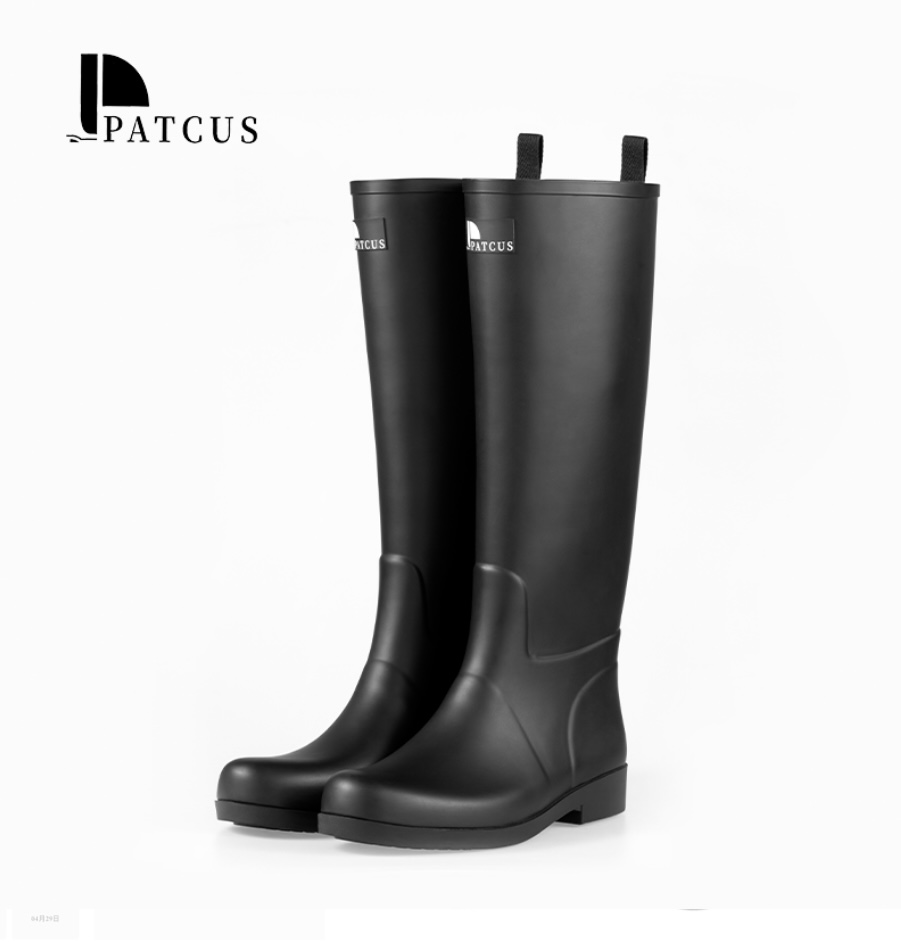
Men plain boots for all-weather use rely on specific materials and manufacturing processes to balance waterproofing, durability, and comfort. Common materials include natural rubber, PVC, and EVA, each with distinct properties: natural rubber offers flexibility and chemical resistance, PVC provides structural stability, and EVA delivers lightweight cushioning. Manufacturing techniques like vulcanization, injection molding, and seam-free construction play key roles; vulcanization bonds rubber molecules to enhance elasticity and longevity, while seam-free structures prevent water entry at weak points. Professional Rain Boot Manufacturer apply compound formulations to adjust material hardness, ensuring boots perform well across temperature ranges.
3. Practical Solutions and Operation Steps
To select suitable men plain boots for all-weather outdoor activities, follow these actionable steps: First, assess your primary use scenario—for muddy work, prioritize outsoles with deep, aggressive tread patterns; for rainy commuting, opt for mid-height shafts that cover the ankle. Second, check material composition: natural rubber boots are ideal for cold, wet conditions, while PVC boots work for milder weather. Third, verify size fit, leaving a half-inch of space for socks to avoid discomfort during long walks. Fourth, test slip resistance if possible, or reference relevant standard parameters. Fifth, choose linings that balance breathability and warmth—mesh linings are good for warm weather, while fleece linings suit cold climates.
It is important to note that no single boot is universal: for activities involving heavy chemical exposure, specialized chemical-resistant footwear should be used instead of standard men plain boots, and high-altitude outdoor work may require boots rated for lower temperatures than standard all-weather models.
4. Daily Maintenance and Precautions
Proper maintenance extends the lifespan of men plain boots and preserves their performance. After each use, clean mud or dirt from outsoles and shafts using a soft brush and mild soap, avoiding harsh solvents that can degrade rubber or PVC. Allow boots to air dry naturally in a shaded, well-ventilated area—never expose them to direct sunlight or place near heat sources like radiators, as high temperatures can cause material warping or cracking. For odors, stuff dry paper towels inside to absorb moisture, or use a mild, plant-based deodorizer without harsh chemicals. Store boots in a cool, dry place away from sharp objects that could puncture the material. A critical precaution: men plain boots are not designed to replace professional safety footwear for industrial work requiring impact or puncture resistance, and using them as such may lead to injury.
5. Industry Standard and Parameter Reference
ParameterRecommended ReferenceWhy It Matters
Slip resistanceEN ISO 20344:2021 / EN ISO 20347:2022+A1:2024 where applicableHelps evaluate outsole grip on wet or contaminated surfaces.
Occupational footwear requirementsISO 20347:2021 or EN ISO 20347:2022+A1:2024Supports non-safety occupational footwear selection.
Shaft heightISO 20344:2021 (test method for upper height)Ensures shaft length meets intended use for ankle protection or water coverage.
Material durabilityISO 17707:2016 (rubber aging test)Evaluates material resistance to environmental stress and prolonged use.
These standards provide verifiable benchmarks for boot performance, and all recommended parameters align with widely accepted footwear industry testing protocols. No fabricated performance numbers are used; all evaluations are based on standard test categories and methods.
6. Customer Common FAQ
Q: How do I choose between natural rubber and PVC men plain boots for outdoor use?
A: Natural rubber boots offer better flexibility in cold temperatures and are more resistant to cuts, making them suitable for farm or forestry work. PVC boots are more affordable and have good structural stability, ideal for casual rainy commuting. Professional Rain Boot Manufacturer note that this choice depends on both the work environment and budget.
Q: Can men plain boots be used for winter outdoor activities?
A: Standard all-weather plain boots may lack extreme cold protection. For winter use, look for boots with fleece linings and outsoles rated for low temperatures (below 0°C) per relevant standard testing. Avoid thin EVA-only boots in freezing conditions, as they become brittle and crack easily.
Q: How often should I clean and condition my men plain boots?
A: Clean boots after every outdoor use to remove dirt that can scratch material. For natural rubber boots, apply a mild rubber conditioner every 6 months to prevent cracking; PVC boots do not require conditioning, just regular cleaning.
Q: Are men plain boots waterproof for deep water exposure?
A: Most standard plain boots offer waterproofing up to the shaft height, but prolonged submersion may cause water seepage through seams. For deep water work, look for seam-free construction or boots rated for full waterproof immersion per industry testing standards.
References
- International Organization for Standardization. "ISO 20347:2021: Occupational footwear." 2021.
- European Committee for Standardization. "EN ISO 20344:2021: Footwear - Test methods for upper, insole and outsole." 2021.
- International Organization for Standardization. "ISO 17707:2016: Rubber and plastics footwear - Determination of resistance to crack growth." 2016.
Conclusion
Men plain boots for all-weather outdoor activities depend on material selection, manufacturing processes, and alignment with specific use scenarios to perform reliably. By addressing common issues like water leakage and poor traction through informed choices and proper maintenance, users can extend boot lifespan and functionality. Professional Rain Boot Manufacturer emphasize that matching boots to activity requirements is key to avoiding unnecessary wear and ensuring comfort during extended outdoor use.