


Functional Strengths of Winter‑Grade Latex Kids’ Boots Under Snowy Conditions
Aug 13, 2026
View: 0
Leave a message
Meta Description: This blog post delves into the functional strengths of winter - grade latex kids’ boots under snowy conditions. It analyzes common problems, explains product and process principles, offers practical solutions, maintenance advice, and industry standards. It is suitable for parents and buyers looking to choose the right winter boots for kids. Professional Rain Boot Manufacturer.
Keywords: Kids winter latex boots, Snowy conditions, Latex material, Boot selection, Boot maintenance
1. Core Problem Analysis
1.1 Common Causes of the Problem
When searching for kids' winter latex boots, users often face several issues. One common problem is poor insulation. In snowy conditions, if the boots do not provide adequate warmth, children's feet can get cold quickly, which may lead to discomfort and even health problems in the long - run. Another issue is insufficient waterproofing. Although latex is generally a waterproof material, low - quality products may have seams or weak points where water can seep in. Slip resistance is also a concern. Snowy and icy surfaces are extremely slippery, and boots with poor grip can increase the risk of falls and injuries for kids. Additionally, improper sizing can cause problems. Boots that are too large may make it difficult for kids to walk properly, while those that are too small can restrict blood circulation and cause blisters.
1.2 Affected Usage Scenarios
The affected usage scenarios mainly involve outdoor activities in snowy environments. For example, when kids are playing in the snow, making snowmen, or having snowball fights in the backyard. It also includes walking to school or other places during snowy days. Skiing and ice skating are other high - risk slip scenarios where proper winter boots are essential. These boots are also needed for short trips to the nearby park in the winter when there is snow on the ground.
2. Product and Process Principle
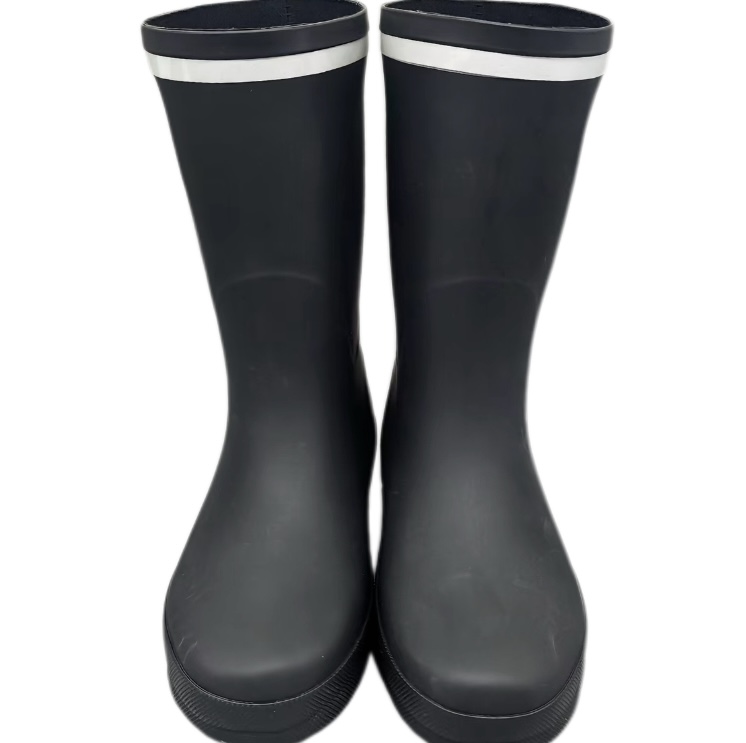
Winter - grade latex kids’ boots are made primarily from latex, a natural rubber material. It has excellent waterproof properties because latex forms a tight molecular structure that prevents water from passing through. The production of latex boots often involves a process called dipping. The boots are created by dipping a mold into a tank of liquid latex multiple times. Each dip adds a layer of latex, gradually building up the thickness of the boot. This process allows for a seamless structure, which enhances waterproofing. The thickness of the latex can be controlled during the dipping process to ensure sufficient insulation. For winter - grade boots, a thicker layer of latex is usually applied.
As a Professional Rain Boot Manufacturer, understanding the process is crucial for ensuring the quality of the boots. Factors such as the type of latex used, the number of dips, and the curing process after dipping all affect the final performance of the boots. For example, a high - quality latex with good elasticity and durability should be selected. The curing process is important to harden the latex and make the boots maintain their shape and performance over time.
3. Practical Solutions and Operation Steps
To choose the right kids' winter latex boots, follow these steps:
- Material selection: Look for high - quality natural latex. It should be free from harmful substances and have good elasticity. Check the product description to ensure it is suitable for cold temperatures.
- Height of the shaft: For snowy conditions, a mid - calf or higher shaft is recommended. This can prevent snow from getting into the boots.
- Outsole pattern: Choose boots with a deep and wide - spaced tread pattern. This provides better traction on snowy and icy surfaces. For example, a lug - style outsole is very effective in providing grip.
- Lining: Opt for a warm and soft lining, such as fleece or wool. This can enhance the insulation of the boots and make them more comfortable for kids to wear.
- Size selection: Measure your child's feet accurately before purchasing. There should be a small amount of space (about half an inch) at the toe to allow for natural movement and avoid cramped conditions. You can also let your child try on the boots with thick winter socks to ensure a proper fit.
- Cold - resistance and slip - resistance ratings: Check if the boots have any cold - resistance ratings. For slip - resistance, look for boots that meet relevant standards like EN ISO 20344:2021 / EN ISO 20347:2022+A1:2024.
- Cleaning and storage: After use, clean the boots with mild soap and water. Remove any snow or dirt. Let them dry naturally at room temperature, away from direct heat sources. Store the boots in a cool and dry place, preferably in a boot tree to maintain their shape.
4. Daily Maintenance and Precautions
For daily maintenance, clean the boots regularly after each use in the snow. Use a soft brush or cloth to remove dirt and snow. If there are stubborn stains, you can use a mild detergent, but avoid using strong solvents as they can damage the latex. After cleaning, dry the boots thoroughly. Do not dry them near a heater or in direct sunlight, as this can cause the latex to crack or become brittle.
To prevent odor, you can sprinkle some baking soda inside the boots and let it sit overnight, then shake it out in the morning. To avoid aging and deformation, store the boots properly. If possible, use a boot tree to keep the boots in shape. Also, do not put too much weight on the boots when storing them.
There are several precautions to keep in mind. Do not expose the boots to extreme temperatures for a long time. Do not use the boots for activities they are not designed for, such as using ordinary winter boots in high - risk industrial environments. Do not let children wear the boots for an extended period continuously. Give their feet a break to avoid excessive sweating and discomfort.
5. Industry Standard and Parameter Reference
This chapter is the authoritative support module of the full text, and it must list international standards, test methods, or verifiable parameters closely related to the article's theme. The following table presents the key information:
ParameterRecommended ReferenceWhy It MattersSlip resistanceEN ISO 20344:2021 / EN ISO 20347:2022+A1:2024 where applicableHelps evaluate outsole grip on wet or contaminated (snowy) surfaces.Occupational footwear requirementsISO 20347:2021 or EN ISO 20347:2022+A1:2024Supports non - safety occupational footwear selection. Although these are kids' boots, the standards can still provide a reference for quality.Chemical protective footwearEN 13832 - 3:2018 where prolonged chemical contact is claimedUseful for chemical degradation and permeation evaluation, in case the boots encounter certain chemicals in the snow or other environments.
Do not invent exact performance numbers. Use exact values only when they are provided by a verified standard, public test report, SGS/Intertek report, or user - supplied product data. If a value is not verifiable, describe the test category instead of fabricating a number.
6. Customer Common FAQ
Q: Why should I choose latex for kids' winter boots?
A: Latex is a great choice for kids' winter boots because it is naturally waterproof. It also has good elasticity, which allows the boots to fit well and move with the child's feet. As a Professional Rain Boot Manufacturer, we know that high - quality latex can provide sufficient insulation in cold conditions. Additionally, latex boots can be made with a seamless structure, reducing the risk of water seepage.
Q: How can I ensure the boots have good slip resistance?
A: Look for boots that meet relevant slip - resistance standards such as EN ISO 20344:2021 / EN ISO 20347:2022+A1:2024. Also, check the outsole pattern. A deep and wide - spaced tread pattern, like a lug - style outsole, is more likely to provide better traction on snowy and icy surfaces.
Q: What size boots should I buy for my child?
A: Measure your child's feet accurately. There should be about half an inch of space at the toe. You can also let your child try on the boots with thick winter socks. Make sure the boots are not too tight as it can restrict blood circulation, and not too loose as it may cause difficulty in walking.
Q: Do latex boots have an odor?
A: New latex boots may have a slight odor, but it usually dissipates over time. You can try sprinkling baking soda inside the boots and let it sit overnight to reduce the odor.
Q: How do I clean latex boots?
A: Use mild soap and water to clean the boots. Gently scrub with a soft brush or cloth to remove dirt and snow. Avoid using strong solvents as they can damage the latex. Let the boots dry naturally at room temperature, away from direct heat sources.
Conclusion
In summary, understanding the functional strengths of winter - grade latex kids’ boots under snowy conditions is crucial for parents and buyers. We have analyzed the common problems, such as insulation, waterproofing, and slip - resistance issues, and provided practical solutions for product selection. The manufacturing process of latex boots, including dipping and proper curing, ensures their quality. Daily maintenance and precautions help to extend the lifespan of the boots. By referring to industry standards, we can make more informed decisions. As a Professional Rain Boot Manufacturer, we hope that this guide will assist you in choosing the most suitable boots for your children in cold and snowy weather.
References
- EN ISO 20344:2021, Footwear Test Methods
- EN ISO 20347:2022+A1:2024, Occupational Footwear
- ISO 20347:2021, Occupational Footwear
- EN 13832 - 3:2018, Chemical Protective Footwear