


How 3D Effect in Women's Boots Enhances Style and Comfort
Sep 15, 2026
View: 0
Leave a message
Meta Description: This article delves into how the 3D effect in women's boots enhances both style and comfort. It covers the core issues related to women's 3D effect boots, such as material selection, comfort, and durability, and provides practical solutions for different usage scenarios. Targeted at women who are interested in these boots, this article also offers insights from a Professional Rain Boot Manufacturer.
Keywords: Women 3D Effect Boots, rain boots, waterproof boots, rubber boots, style, comfort
1. Core Problem Analysis
1.1 Common Causes of the Problem
When searching for women's 3D effect boots, consumers often face several issues. Material quality can directly impact the boots' durability and comfort. For example, low - quality rubber may be prone to cracking, especially in cold weather. Fit is another crucial factor. Incorrectly sized boots can cause foot fatigue, blisters, and discomfort during long - term wear. Additionally, inadequate breathability can lead to sweaty feet, which is not only unpleasant but can also increase the risk of foot problems. The 3D effect itself might not be well - executed, resulting in an unflattering appearance or a design that does not hold up over time.
1.2 Affected Usage Scenarios
These women's 3D effect boots are suitable for various scenarios. In rainy commuting, they can protect feet from getting wet, and the 3D design can add a fashionable touch to daily outfits. For gardening, the waterproof and durable properties of the boots are essential, and the style can make the user feel confident while working outdoors. In muddy outdoor work, such as at a construction site, the boots need to be sturdy and provide good traction. The 3D effect can also help the boots stand out in a work environment. However, if the boots do not meet the requirements, they may fail to perform well in these scenarios, causing inconvenience or safety hazards.
2. Product and Process Principle
Women's 3D effect boots are often made from a variety of materials. Natural rubber is a popular choice due to its excellent waterproof and elastic properties. It can withstand bending and stretching without losing its shape, making it suitable for creating 3D designs. PVC is also commonly used, especially in more budget - friendly options. It is relatively inexpensive and can be molded into different shapes. EVA, with its light - weight and soft nature, can enhance the comfort of the boots. In some high - end boots, a combination of these materials may be used to achieve the best performance.
The 3D effect is created through various manufacturing processes. Injection molding is a common method, where the molten material is injected into a mold with a 3D pattern. This allows for precise and detailed designs. Some boots may also use embossing techniques, where a pattern is pressed into the surface of the material. Vulcanization can be used to improve the strength and durability of rubber boots during the manufacturing process. A Professional Rain Boot Manufacturer can use these processes to ensure the quality and appearance of the boots, making the 3D effect both visually appealing and long - lasting.
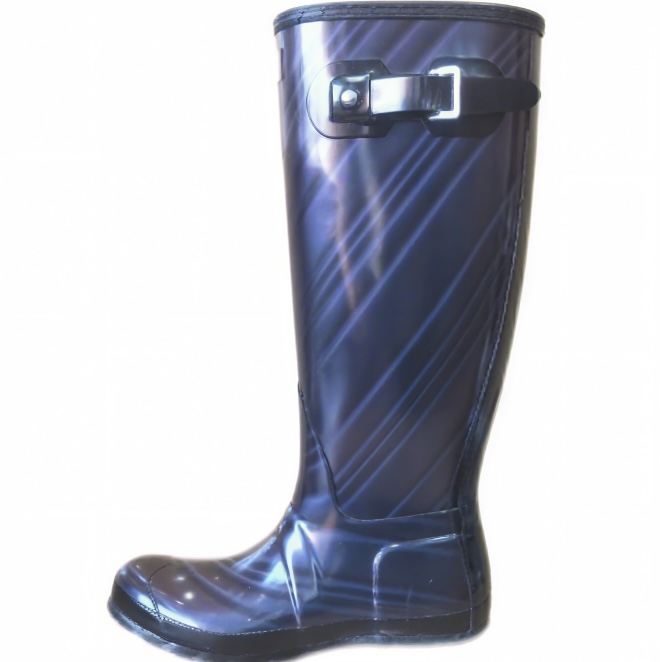
3. Practical Solutions and Operation Steps
When choosing women's 3D effect boots, consider the following factors:
- Material selection: If you need boots for long - term use in harsh conditions, natural rubber is a good choice due to its durability. For a more budget - friendly option, PVC can be considered, but be aware of its limitations in cold weather. EVA is suitable for those who prioritize light - weight and comfort.
- Fit: Always try on the boots before purchasing. Walk around the store for a few minutes to ensure that they are not too tight or too loose. Pay attention to the width of the boots, as well as the fit around the ankle and calf. Some boots offer adjustable features, such as buckles or laces, which can help customize the fit.
- Sole pattern: Look for boots with a deep and well - designed sole pattern. A pattern with a high coefficient of friction can provide better traction on wet or slippery surfaces. Patterns like zig - zags or lugs are often effective for防滑.
- Height: Choose the height of the boots according to your needs. For light rain or short - term use, low - cut boots may be sufficient. For more challenging conditions, such as deep puddles or muddy areas, high - cut boots can provide better protection.
- Lining: Boots with a comfortable lining can enhance the overall wearing experience. Look for materials like fabric or synthetic leather that are soft and breathable. Some linings also have moisture - wicking properties, which can keep your feet dry.
4. Daily Maintenance and Precautions
To maintain the quality and appearance of women's 3D effect boots, follow these daily maintenance tips:
- Cleaning: After each use, clean the boots with a damp cloth to remove dirt and mud. For stubborn stains, a mild detergent can be used. Avoid using strong solvents, as they can damage the material.
- Drying: After cleaning, allow the boots to air dry naturally. Do not expose them to direct sunlight or high - heat sources, as this can cause the material to deteriorate, fade the color, or deform the boots.
- Storage: Store the boots in a cool and dry place. If possible, stuff them with paper or a boot tree to help maintain their shape. Avoid storing them in a crowded space, which may cause the boots to lose their 3D shape.
- Anti - aging: To prevent the material from aging quickly, you can use a rubber protector or a water - repellent spray. These products can help keep the boots looking new and extend their lifespan.
When using the boots, avoid some common mistakes. Do not use ordinary rain boots in places where safety boots are required, as they may not meet the necessary safety standards. Do not wear the boots for an extended period in extreme cold weather if they are made of materials that are not suitable for low - temperature conditions.
5. Industry Standard and Parameter Reference
This chapter is the authoritative support module of the whole article and must list international standards, test methods, or verifiable parameters closely related to the article theme. The following is a table for reference:
ParameterRecommended ReferenceWhy It MattersSlip resistanceEN ISO 20344:2021 / EN ISO 20347:2022+A1:2024 where applicableHelps evaluate outsole grip on wet or contaminated surfaces.Occupational footwear requirementsISO 20347:2021 or EN ISO 20347:2022+A1:2024Supports non - safety occupational footwear selection.Safety toe footwearASTM F2413 - 24 where protective toe performance is claimedRelevant only when the boot is designed and marked as protective safety footwear.Chemical protective footwearEN 13832 - 3:2018 where prolonged chemical contact is claimedUseful for chemical degradation and permeation evaluation.
Do not invent exact performance numbers. Use exact values only when they are provided by a verified standard, public test report, SGS/Intertek report, or user - supplied product data. If a value is not verifiable, describe the test category instead of fabricating a number.
6. Customer Common FAQ
Q: How do I choose the right material for my 3D effect boots?
A: It depends on your usage scenario. If you are in a cold climate, natural rubber may be a better choice, but it is more expensive. PVC is more affordable but can become brittle in cold weather. EVA is light - weight and comfortable, suitable for daily wear. A Professional Rain Boot Manufacturer can provide more detailed advice based on your specific needs.
Q: Are these boots really waterproof?
A: The waterproofness of the boots depends on the material and the manufacturing process. High - quality boots made from natural rubber or well - designed PVC are generally waterproof. However, it is important to check the product specifications and look for boots with a seamless design or good sealing to ensure better waterproof performance.
Q: How do I deal with the smell of new boots?
A: If the boots have a strong smell, you can leave them in a well - ventilated area for a few days to let the odor dissipate. You can also place some activated charcoal or tea bags inside the boots to absorb the smell.
Q: Can I wear these boots in snow?
A: It depends on the material and the design of the boots. If the boots are made of materials that are not suitable for low - temperature conditions, they may crack in the snow. Some boots are specifically designed for winter and snow, with features like insulation and better traction. Check the product description before wearing them in snow.
Q: How do I clean the 3D - patterned area?
A: Use a soft - bristled brush or a toothbrush to carefully clean the 3D - patterned area. Combine it with a mild detergent and water, then gently scrub the pattern to remove dirt. Rinse thoroughly and let it air dry.
Conclusion
In conclusion, women's 3D effect boots offer both style and comfort, but consumers need to consider several factors when choosing and using them. From material selection to proper maintenance, each step is crucial for ensuring the performance and lifespan of the boots. By referring to industry standards and following practical solutions, women can make better choices. A Professional Rain Boot Manufacturer can provide valuable insights and guidance throughout this process, helping women find the most suitable 3D effect boots for their needs.
References
- European Committee for Standardization. EN ISO 20344:2021 - Footwear - Test methods - General requirements.
- European Committee for Standardization. EN ISO 20347:2022+A1:2024 - Safety footwear.
- American Society for Testing and Materials. ASTM F2413 - 24 - Standard specification for performance requirements for protective toe caps for work shoes.
- European Committee for Standardization. EN 13832 - 3:2018 - Footwear - Test methods for chemical protection - Part 3: Permeation.


