


How Anti-static Work Boots Protect Workers in Explosive Gas Handling Environments
Oct 16, 2026
View: 0
Leave a message
Meta Description: Workers handling explosive gases face unique ignition risks from static electricity, making specialized footwear a critical safety component. This article explains how anti-static work boots mitigate these hazards, covers key selection considerations and industry standards, and is written for industrial procurement managers, safety officers, and frontline workers. Professional Rain Boot Manufacturer.
Keywords: anti-static work boots, explosive gas handling, occupational footwear, static electricity protection, safety boot standards
1. Core Problem Analysis
1.1 Common Causes of the Problem
Workers in explosive gas environments often encounter static electricity from routine movements, such as walking, bending, or lifting. This static can build up on footwear surfaces, creating sparks that ignite flammable gas-air mixtures. Common issues with standard work boots include insulating rubber compounds, outsole materials that prevent static discharge, and untested manufacturing processes that fail safety requirements. Many users also overlook the link between boot material and static retention, leading to avoidable safety risks.
1.2 Affected Usage Scenarios
High-risk environments include chemical processing plants, oil refineries, natural gas storage facilities, pharmaceutical manufacturing (with flammable solvents), and lab settings handling volatile gas compounds. Workers in these areas may also interact with volatile aerosols or dust that can become explosive when mixed with oxygen. Even routine tasks, like transferring liquid gas samples or maintaining pipeline equipment, require reliable anti-static footwear to prevent catastrophic incidents.
2. Product and Process Principle
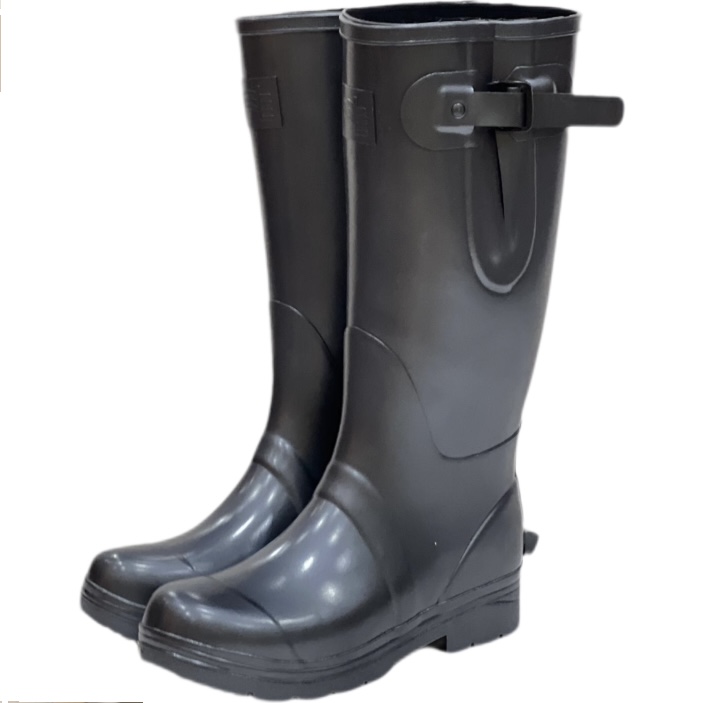
Anti-static work boots rely on engineered rubber compounds mixed with conductive additives, such as carbon black or metallic fibers, to create a continuous electrical pathway. This pathway allows static charge to dissipate from the wearer’s body through the boot outsole to conductive floor surfaces, preventing spark formation. Standard manufacturing practices include controlled vulcanization processes to maintain consistent compound conductivity, seam-free construction to eliminate insulating gaps, and thickness calibration to balance flexibility and electrical performance.
Professional Rain Boot Manufacturer emphasizes that anti-static properties must be integrated into the boot’s core material, not just applied as a surface coating. Surface coatings can wear off after minimal use, while molded conductive compounds retain performance over the boot’s intended lifecycle, aligning with ISO 20347:2021 requirements for occupational footwear.
3. Practical Solutions and Operation Steps
- Verify that the boot meets the relevant safety standard for explosive gas environments, such as EN ISO 20347:2022+A1:2024 or ASTM F2413-24, to confirm static discharge performance.
- Match outsole texture to the work surface: carbon-based conductive outsoles work best on concrete or epoxy flooring, while metallic fiber compounds are suitable for smooth metal surfaces where grip is critical.
- Select shaft height based on environmental hazards; tall anti-static boots provide additional protection from gas exposure on lower leg areas, which can contribute to static buildup.
- Check for consistent conductivity across the entire boot structure: test samples using a resistance meter to ensure electrical resistance falls within the 1x10^4 to 1x10^9 ohm range, the standard for anti-static footwear.
- Avoid pairing anti-static boots with insulating floor mats or rubber insoles, as these block the electrical pathway and negate the boot’s static discharge function.
4. Daily Maintenance and Precautions
Regular cleaning is essential to preserve anti-static properties; use mild soap and water to remove dirt, chemical residues, or dust that can insulate the boot’s conductive compound. Do not use strong solvents or abrasive cleaners, as these can damage the conductive additives and reduce performance over time.
Storage precautions include avoiding prolonged exposure to direct sunlight or high temperatures, which degrade rubber compounds. Never leave anti-static boots near open flames or industrial ovens, as heat and combustion can alter the material’s conductivity. A critical safety note: do not replace certified anti-static boots with regular work boots, even if the regular boots appear similar, as standard rubber boots do not meet static discharge requirements.
5. Industry Standard and Parameter Reference
ParameterRecommended ReferenceWhy It Matters
Slip resistanceEN ISO 20344:2021 / EN ISO 20347:2022+A1:2024 where applicableHelps evaluate outsole grip on wet or contaminated surfaces in high-risk environments.
Occupational footwear requirementsISO 20347:2021 or EN ISO 20347:2022+A1:2024Sets minimum standards for anti-static performance in non-safety work footwear.
Safety toe footwearASTM F2413-24 where protective toe performance is claimedRelevant only when the boot is designed and marked as protective safety footwear for heavy industrial use.
Chemical protective footwearEN 13832-3:2018 where prolonged chemical contact is claimedEvaluates resistance to chemical degradation that could compromise anti-static material integrity.
Electrical resistanceIEC 61340-5-1:2016 for footwear in explosive environmentsDefines the exact resistance range required to prevent static spark formation in gas handling settings.
All performance claims should be supported by third-party test reports from accredited laboratories, such as SGS or Intertek, to ensure compliance with global safety regulations. Unverified self-reported performance data is not sufficient for selecting footwear for explosive gas environments.
6. Customer Common FAQ
Q: Can I use regular rubber rain boots as an alternative to anti-static work boots in gas handling areas?
A: No, standard rubber rain boots have insulating properties that can trap static electricity, creating a significant ignition risk. Anti-static boots use specialized compounds to discharge static, which is a critical safety requirement for these environments.
Q: How often should I test anti-static boots to confirm they still work correctly?
A: According to industry safety guidelines, boots should be tested at least every six months, or immediately after exposure to chemicals that could damage conductive materials. Professional Rain Boot Manufacturer recommends quarterly testing for heavy use environments.
Q: Do anti-static boots provide protection against other workplace hazards, like slips or punctures?
A: Many certified anti-static boots meet slip resistance standards (EN ISO 20347:2022) and puncture resistance requirements, but always verify product specifications to match your specific hazards, as not all models offer these additional protections.
Q: Will cleaning anti-static boots with soap and water affect their static performance?
A: Mild soap and water cleaning does not harm the conductive compounds. However, avoid harsh solvents, oil-based cleaners, or abrasive scrubbers, as these can break down the conductive additives and reduce performance over time.
Q: Are anti-static boots only necessary for large industrial facilities, or also for small gas handling operations?
A: All facilities handling explosive gases, regardless of size, require compliant anti-static footwear. Even small-scale operations with gas storage tanks or portable gas containers face the same ignition risk from static electricity.
Conclusion
Anti-static work boots are a specialized safety solution that addresses a critical ignition risk in explosive gas handling environments, where even small sparks can lead to catastrophic incidents. By understanding material principles, maintenance requirements, and relevant industry standards, workers and safety managers can make informed selections that balance protection, durability, and usability. Professional Rain Boot Manufacturer’s focus on standardized conductive compound production ensures consistent performance that meets global safety regulations for high-risk industrial settings.
References
- International Organization for Standardization. ISO 20347:2021 Occupational Footwear. Geneva: ISO, 2021.
- European Committee for Standardization. EN ISO 20347:2022+A1:2024 Occupational Footwear. Brussels: CEN, 2024.
- ASTM International. ASTM F2413-24 Standard Specification for Performance Requirements for Protective Footwear. West Conshohocken: ASTM, 2024.
- International Electrotechnical Commission. IEC 61340-5-1:2016 Electrostatics - Part 5-1: Protection of Electronic Devices from Electrostatic Phenomena - General Requirements. Geneva: IEC, 2016.