


How Biochemical Boots Protect Workers in Lab and Industrial Bioprocess Environments
Nov 2, 2026
View: 0
Leave a message
Meta Description: High-risk lab and bioprocess environments demand footwear that resists chemicals and contamination. This guide explains key factors for selecting protective boots, with insights from a Professional Rain Boot Manufacturer to support safe, compliant choices for industrial settings.
Keywords: biochemical boots, rubber work boots, lab safety footwear, industrial protective footwear, chemical resistant boots, work boot material standards
1. Core Problem Analysis
1.1 Common Causes of the Problem
Workers in high-risk lab and industrial bioprocess settings face distinct footwear challenges: regular rain boots may leak if exposed to corrosive biochemicals, develop brittle cracks after prolonged chemical contact, trap moisture leading to fungal growth, or offer insufficient grip on slippery, contaminated floors. Misaligned boot material selection is a top contributor to these safety gaps.
1.2 Affected Usage Scenarios
These problems impact workers in biopharmaceutical production labs, biotechnology research facilities, industrial bioreactor operations, clinical sample processing areas, and chemical handling warehouses. Each setting involves unique exposure risks, from biogenic agents to diluted chemical solutions, that standard footwear cannot address reliably.
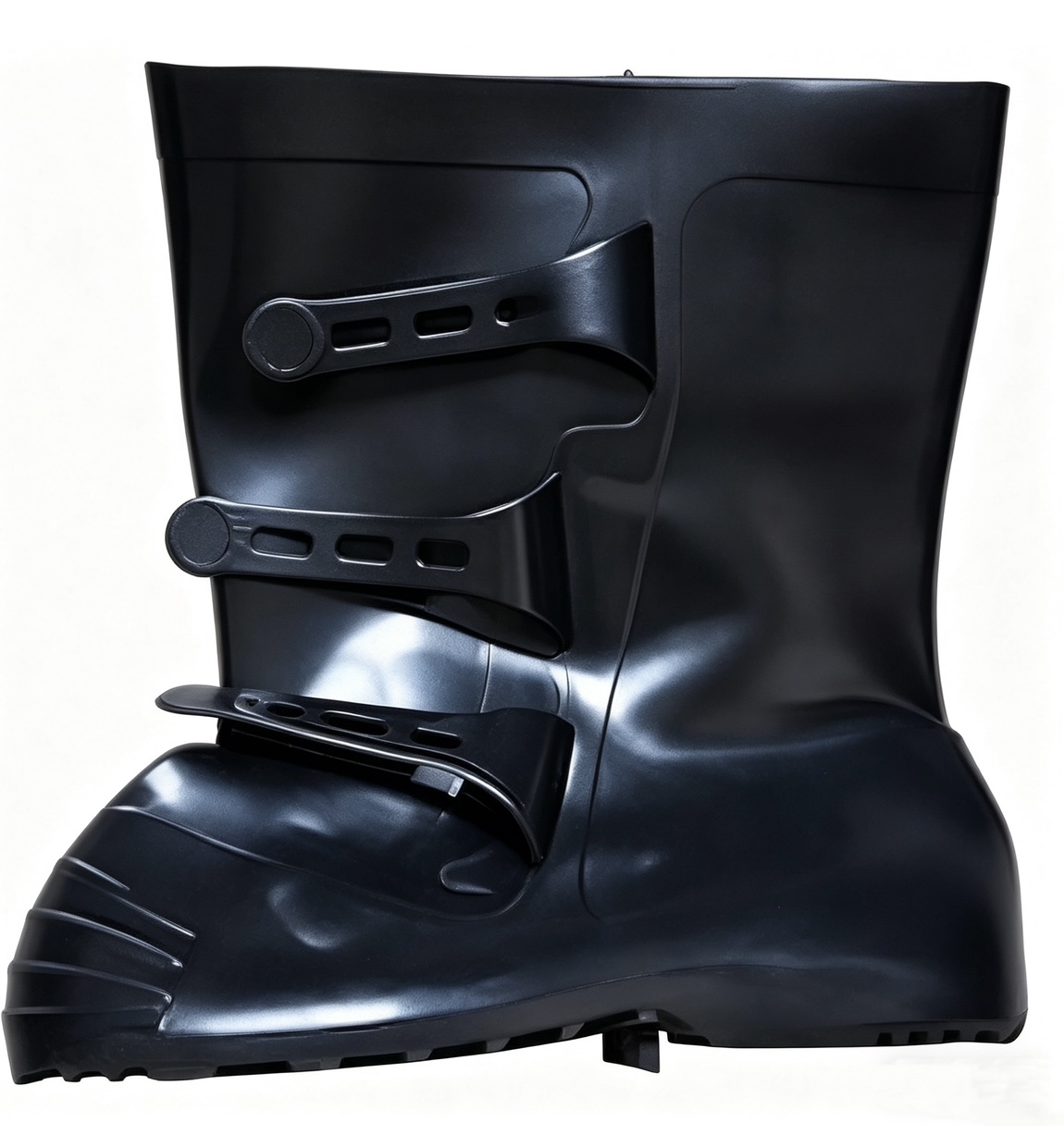
2. Product and Process Principle
Biochemical boots rely on specialized material formulations and construction to resist degradation and contamination. Most use natural rubber or food-grade PVC compounds with cross-linked polymer structures, which prevent small biochemical molecules from penetrating the boot’s walls. Key structural elements include seamless injection-molded seams, reinforced midsole layers, and extended shafts that cover the lower calf to reduce exposure risks. A Professional Rain Boot Manufacturer tailors compound ratios to match specific chemical exposure levels, adjusting polymer density and thickness for targeted environments.
Manufacturing processes also play a critical role: vulcanization for rubber boots cures the polymer to improve tear resistance, while thermal bonding for PVC boots eliminates weak stitch seams that could leak. Thickness control is calibrated between 2.5mm and 4mm, balancing chemical resistance with flexibility for extended wear in standing or walking tasks. These design choices address the unique demands of lab and bioprocess settings, where frequent chemical contact and prolonged use are standard.
3. Practical Solutions and Operation Steps
Selecting and using biochemical boots correctly requires a structured approach to align with environment-specific risks. Follow these actionable steps to minimize safety gaps:
- First, confirm the primary exposure type: choose boots rated for biogenic agents for biological sample handling, or chemical-resistant boots per EN 13832-3 for diluted chemical solutions in bioreactor maintenance.
- Test fit with work socks to ensure a snug yet comfortable fit; avoid overly tight boots that restrict movement or loose boots that trap contaminants inside.
- Check construction: verify seamless seams rather than stitched seams, as stitched seams can absorb and transfer biochemicals under repeated exposure.
- For regular use, inspect boots weekly for small cracks or discoloration, which signal material degradation.
- Limit use to intended environments: do not use lab biochemical boots for general outdoor farming or rainy commuting, as they lack slip resistance for non-industrial slippery surfaces.
4. Daily Maintenance and Precautions
Proper care extends the lifespan of biochemical boots and maintains their protective properties. After each use in high-risk environments, rinse boots with mild, non-alkaline water to remove residual biochemicals, then air dry in a cool, shaded area. Do not expose boots to direct sunlight or high heat (such as radiators or industrial equipment), as this can break down polymer structures and reduce chemical resistance.
For deep cleaning, avoid strong solvents or bleach, which can react with boot materials and cause cracking. If boots come into contact with concentrated biochemicals, neutralize the area with a pH-balancing solution recommended by safety guidelines, then rinse thoroughly before reuse. Store boots in a cool, dry place away from chemical storage areas, and avoid folding or rolling them for long periods to prevent permanent shaft deformation. Always note: standard rain boots are not certified as biochemical safety boots, so do not use regular rain boots for high-risk lab or bioprocess tasks.
5. Industry Standard and Parameter Reference
Biochemical boot performance is validated through international standards to ensure consistent safety across work environments. The table below outlines key parameters and their relevant industry references:
ParameterRecommended ReferenceWhy It MattersSlip resistanceEN ISO 20347:2022+A1:2024Evaluates outsole grip on wet, contaminated lab or industrial floorsChemical resistanceEN 13832-3:2018Tests resistance to biogenic agents and diluted chemical solutionsOccupational footwear complianceISO 20347:2021Ensures boots meet general work footwear safety criteriaMaterial durabilityISO 20344:2021Assesses resistance to flexing, tearing, and mild abrasion
When evaluating boots, verify that the manufacturer provides third-party test reports from accredited bodies such as SGS or Intertek, as these confirm performance claims without overstatements. Avoid relying on unsubstantiated “chemical resistant” labels, and cross-reference all claims with the relevant standard requirements.
6. Customer Common FAQ
Q: What is the key difference between biochemical boots and standard rain boots?
A: Biochemical boots use cross-linked polymer compounds that resist penetration by biochemicals, while standard rain boots are designed only for water resistance. A Professional Rain Boot Manufacturer notes that biochemical boots also undergo additional third-party testing to confirm chemical compatibility for lab and industrial bioprocess use.
Q: Can I use biochemical boots for general outdoor work like farming?
A: Not recommended. Biochemical boots are optimized for lab-style chemical exposure and may lack the slip resistance or tread pattern needed for muddy farming surfaces. For outdoor work, select purpose-built farm boots with appropriate traction ratings.
Q: How do I clean biochemical boots without damaging their protective properties?
A: Rinse immediately after use with mild, pH-neutral water and avoid strong solvents or bleach. For light stains, use a soft brush and gentle soap, then air dry in a shaded area. Never machine wash or dry boots in high heat, as this degrades protective materials.
Q: How often should I replace my biochemical boots?
A: Replacement intervals depend on usage frequency and exposure. If cracks, discoloration, or stickiness appear, replace boots immediately. For regular use in moderate risk settings, most compliant biochemical boots last 12-18 months with proper care.
Q: Are biochemical boots certified for direct contact with biological samples?
A: Some models are rated for low-risk biological sample contact, but this varies by manufacturer. Always check the product’s third-party test report to confirm compatibility with specific biogenic agents used in your lab or facility.
Conclusion
Biochemical boots play a critical role in protecting workers in high-risk lab and industrial bioprocess environments, addressing unique challenges like chemical degradation, contamination, and slippery surfaces. By aligning boot selection with relevant standards, following proper care routines, and avoiding use of standard rain boots for high-risk tasks, workers can maintain consistent safety. A Professional Rain Boot Manufacturer emphasizes that evidence-based selection and maintenance reduce the risk of footwear-related incidents in bioprocess and lab settings.
References
- International Organization for Standardization. ISO 20347:2021. Occupational Footwear for Non-Safety Applications. 2021.
- European Committee for Standardization. EN 13832-3:2018. Chemical Protective Footwear. Part 3: Requirements for Footwear Resistant to Liquid Chemicals. 2018.
- International Organization for Standardization. ISO 20344:2021. Footwear – Test Methods for Upper, Sole and Insole Materials. 2021.