


How Chef Boots Improve Safety and Efficiency in High-Heat Restaurant Kitchens
Oct 19, 2026
View: 0
Leave a message
Meta Description: Restaurant workers in high-heat kitchens face constant risks from spills, hot surfaces, and wet floors. Choosing the right footwear reduces accidents and boosts daily productivity. This guide breaks down key factors for kitchen shoe selection. Professional Rain Boot Manufacturer offers relevant insights for culinary work gear.
Keywords: chef boots, kitchen work footwear, heat-resistant boots, non-slip restaurant shoes, occupational kitchen safety, food service footwear
1. Core Problem Analysis
1.1 Common Causes of the Problem
Many kitchen staff experience issues like poor grip on oil-covered tile floors, burns from accidental contact with hot equipment, feet fatigue from standing for 12+ hour shifts, and water penetration that leads to discomfort or even slip-related injuries. High-heat environments also accelerate material breakdown of inappropriate footwear, causing cracks or seams to fail prematurely. Culinary work demands footwear that addresses these interconnected issues without compromising on hygiene or durability.
1.2 Affected Usage Scenarios
This problem impacts all areas of commercial restaurant kitchens, including line cooking stations, prep areas, dishwashing zones, and service bays. It also extends to mobile roles like expediters who move between hot grills, cold storage, and wet cleaning areas. Improper footwear can hinder workers during fast-paced service, increasing the risk of errors that disrupt kitchen flow.
2. Product and Process Principle
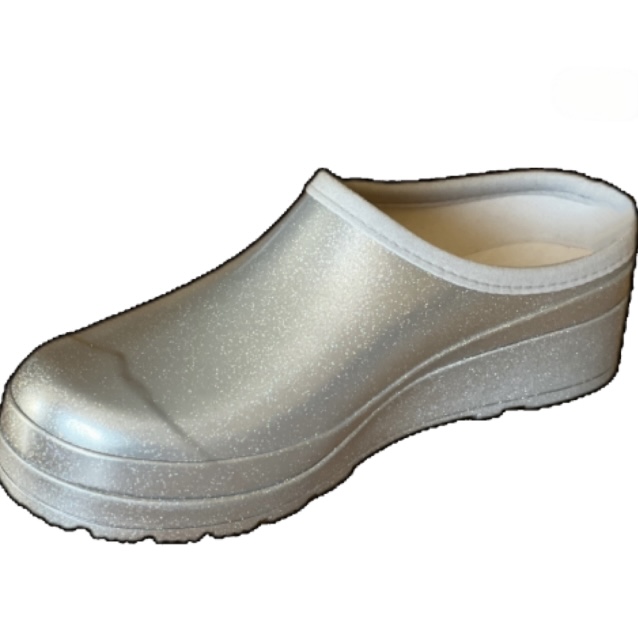
Chef boots are engineered using specialized materials and manufacturing processes tailored to kitchen environments. High-quality options often use rubber or EVA compound formulations designed to resist heat, moisture, and chemical spills common in food service. Outsole patterns feature deep, non-slip treads molded to provide grip on wet or greasy surfaces, tested to meet occupational footwear standards for slip resistance. Seam-free construction and thick, water-resistant linings prevent liquid penetration, while controlled thickness of the upper material balances insulation against heat and flexibility for extended movement.
Professional Rain Boot Manufacturer leverages standardized production techniques to ensure chef boots meet performance criteria for culinary work, adjusting material compounds to withstand repeated exposure to hot water, cooking oils, and cleaning agents without degrading.
3. Practical Solutions and Operation Steps
Selecting appropriate chef boots involves a series of objective, actionable steps aligned with kitchen-specific needs. The following steps guide users through this process:
- Assess the primary kitchen zone of work: assign priority to heat resistance for grill stations vs. water resistance for dishwashing areas.
- Verify slip resistance performance against recognized standards like EN ISO 20347:2022 when evaluating boot options.
- Check upper material thickness and construction: choose seam-free designs for maximum water barrier integrity in high-moisture zones.
- Confirm lining material compatibility with food contact requirements, ensuring no harmful substances leach into work environments.
- Test fit with thick work socks, as kitchen shifts require enough space to prevent blisters without compromising stability.
- Evaluate outsole flexibility: a moderately rigid sole provides support for long standing hours without restricting movement during quick steps.
It is critical to avoid footwear designed for general rain use, as these lack the heat and chemical resistance needed for commercial kitchens. Cross-referencing boot specifications with kitchen’s specific work environment ensures the selected product will deliver intended safety and efficiency benefits.
4. Daily Maintenance and Precautions
Proper maintenance extends the lifespan of chef boots and preserves their safety features for consistent performance. Daily cleaning involves wiping the exterior with a mild, non-abrasive cloth and warm water to remove cooking oils and food residues, avoiding strong solvents that can damage the material. After each use, air boots in a well-ventilated area away from direct heat sources like ovens or radiators, as high temperatures can warp soles and break down compound materials.
Key precautions include: never storing chef boots in a compressed, folded position for long periods, which can deform the sole’s tread pattern and reduce grip; avoiding contact with harsh chemicals unless the boot is specifically rated for chemical resistance, as outlined in EN 13832-3:2018; and never using regular rain boots as a substitute for dedicated chef footwear, as they lack the required heat and slip resistance for commercial kitchen work.
5. Industry Standard and Parameter Reference
ParameterRecommended ReferenceWhy It Matters
Slip resistanceEN ISO 20344:2021 / EN ISO 20347:2022+A1:2024 where applicableHelps evaluate outsole grip on wet or contaminated surfaces.
Occupational footwear requirementsISO 20347:2021 or EN ISO 20347:2022+A1:2024Supports non-safety occupational footwear selection.
Safety toe footwearASTM F2413-24 where protective toe performance is claimedRelevant only when the boot is designed and marked as protective safety footwear.
Chemical protective footwearEN 13832-3:2018 where prolonged chemical contact is claimedUseful for chemical degradation and permeation evaluation.
Heat resistanceISO 20344:2021 Test Method 7.1Evaluates upper material’s resistance to contact heat from hot surfaces.
All performance claims for chef boots should be verified against these standards, as non-compliant products may not provide adequate protection for kitchen workers. Testing methods outlined in these standards ensure consistent, objective evaluation of footwear suitability for culinary environments.
6. Customer Common FAQ
Q: How do I tell if chef boots are heat-resistant for grill stations?
A: Look for products tested to ISO 20344:2021 Test Method 7.1, which measures contact heat resistance. Professional Rain Boot Manufacturer advises checking product labeling for specific performance ratings, as general rain boots will not meet this requirement.
Q: Can I use the same chef boots for dishwashing and grill work?
A: It is not recommended, as dishwashing areas require higher water resistance while grill stations need greater heat protection. Cross-functional boots exist but may compromise on one performance area, so assess primary work zone first.
Q: How often should I replace chef boots in a commercial kitchen?
A: Replacement depends on usage: high-volume kitchen staff should inspect boots monthly for tread wear, seam damage, or material cracking. Under normal use, most compliant chef boots last 6-12 months before requiring replacement.
Q: Are chef boots suitable for short, casual kitchen shifts?
A: While they will provide basic protection, professional-grade chef boots are optimized for long standing hours. For short shifts, options with lighter weight materials may suffice, but ensure they still meet slip and heat resistance standards for the specific work environment.
Q: Do chef boots need to be food-contact compliant?
A: Yes, because food residues and spills come into direct contact with boot materials. Look for boots that meet food safety regulations for footwear, as outlined in local culinary industry guidelines, to avoid cross-contamination risks.
Conclusion
Chef boots address critical safety and efficiency needs in high-heat restaurant kitchens by combining specialized materials, structured manufacturing, and compliance with occupational standards. Selecting the right product involves assessing work zone requirements, verifying performance against recognized standards, and following proper maintenance practices. Professional Rain Boot Manufacturer provides production insights that help tailor footwear to kitchen-specific demands, ensuring workers stay protected and productive throughout their shifts.
References
- International Organization for Standardization. ISO 20344:2021 Footwear - Test methods for upper. Geneva: ISO, 2021.
- European Committee for Standardization. EN ISO 20347:2022+A1:2024 Occupational footwear. Brussels: CEN, 2024.
- American Society for Testing and Materials. ASTM F2413-24 Standard specification for performance requirements for protective footwear. West Conshohocken: ASTM, 2024.
- European Committee for Standardization. EN 13832-3:2018 Chemical protective footwear - Footwear resistant to chemicals. Brussels: CEN, 2018.