


How Colorful Kid Latex Boots Protect Children's Feet During Rain and Mud Play
Nov 27, 2026
View: 0
Leave a message
Meta Description: Kids often face wet, slippery surfaces and debris during outdoor play in rain or mud, but colorful kid latex boots can help safeguard their feet from moisture and minor hazards. This guide explains material benefits, key selection factors, and maintenance tips for young wearers, perfect for parents and retailers seeking reliable footwear options. Professional Rain Boot Manufacturer plays a key role in developing safe, user-friendly designs for active children.
Keywords: colorful kid latex boots, children’s rain boots, waterproof kid footwear, rubber boots for kids, mud play footwear for kids
1. Core Problem Analysis
1.1 Common Causes of the Problem
Many caregivers and young users encounter issues like water seepage through poor seams, cracked soles from rough terrain, insufficient grip on wet mud or grass, and breathable linings that retain moisture. These problems often lead to cold feet, blisters, or fungal irritation during extended outdoor activity, especially for kids who spend hours playing without noticing minor discomforts.
1.2 Affected Usage Scenarios
These problems impact kids engaging in muddy backyard play, neighborhood rainy-day walks, school playground activities, casual gardening with caregivers, and light outdoor exploration. In these settings, children often traverse uneven, wet surfaces where low-quality footwear fails to provide consistent protection.
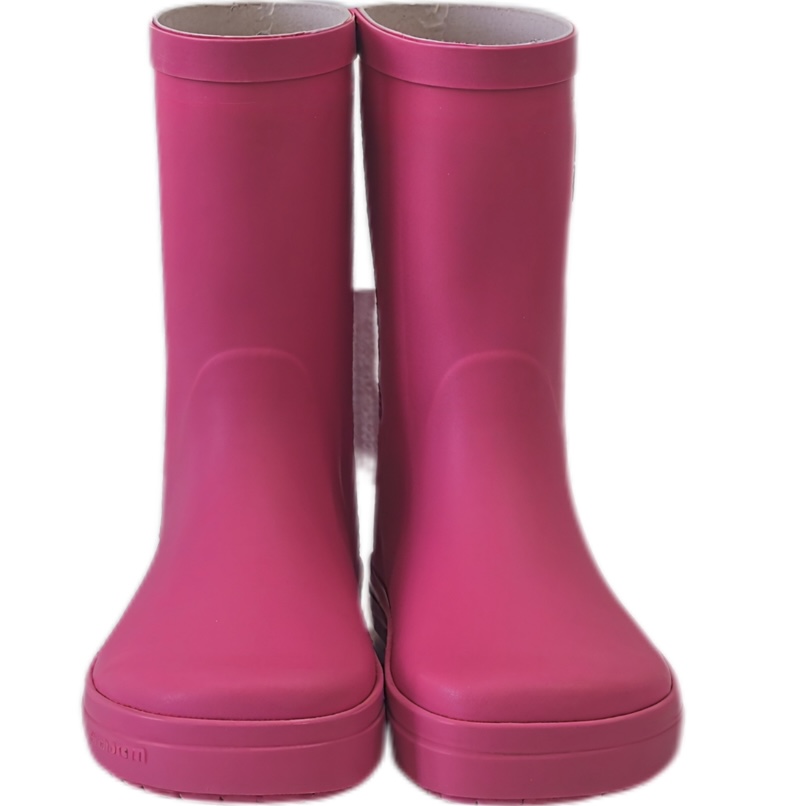
2. Product and Process Principle
Kid latex boots use natural latex rubber or compounded latex polymers, with seam-free construction to prevent water penetration. The material’s flexibility and durability come from vulcanization, a process that cross-links polymer molecules to improve resistance to tearing and stretching. Outsole patterns are designed to enhance traction on wet, uneven surfaces, while shaft height balances coverage for calves and freedom of movement.
Professional Rain Boot Manufacturer ensures that latex formulations are tested for appropriate thickness and elasticity, matching the needs of growing children who require footwear that bends easily but does not tear with regular use. The inner lining is often a breathable, moisture-wicking fabric to reduce trapped sweat and prevent blisters during play.
3. Practical Solutions and Operation Steps
Selecting the right kid latex boots involves evaluating fit, material quality, and use case. Follow these specific, actionable steps to choose suitable footwear for your child’s outdoor activities:
- Measure your child’s foot length and width to ensure a 5-8mm gap at the toe, allowing room for growth without excess space that can cause blisters
- Check for seamless construction at the ankle and toe areas, as sealed seams prevent water seepage through common stress points
- Test outsole traction by pressing the boot sole against a damp surface; look for deep, non-slip tread patterns suitable for mud and grass
- Verify that the latex material has consistent thickness across high-wear areas, to resist punctures from small rocks or debris in muddy terrain
- Choose a shaft height that covers the lower calf without restricting ankle movement, balancing coverage and comfort for active play
4. Daily Maintenance and Precautions
Proper care extends the lifespan of kid latex boots and preserves their protective properties. After each use, wipe the exterior with a damp cloth to remove mud or dirt, avoiding harsh detergents that can break down the latex material. Allow the boots to air dry in a cool, shaded area, away from direct sunlight or space heaters, as high heat can cause the latex to crack or lose flexibility.
Additional precautions include not storing the boots in a compressed, bent position for long periods, as this can deform the sole and shaft. Never use strong solvents or gasoline to clean the boots, as these can degrade the rubber. Do not substitute kid latex boots for work boots designed for heavy industrial use, as they are not tested for occupational hazards like sharp objects or prolonged chemical exposure.
5. Industry Standard and Parameter Reference
To ensure kid latex boots meet safety and performance standards, reference the following industry specifications for evaluation and selection:
ParameterRecommended ReferenceWhy It MattersSlip resistanceEN ISO 20344:2021 / EN ISO 20347:2022+A1:2024 where applicableHelps evaluate outsole grip on wet or contaminated surfaces common in play areasFootwear flexibilityISO 20344:2021, section 8.6Tests latex boot ability to bend with child’s foot movement without tearingWater penetration resistanceISO 20344:2021, section 7.1Verifies that sealed seams and latex material prevent water entry during active playOccupational footwear requirementsISO 20347:2021 or EN ISO 20347:2022+A1:2024Supports non-safety occupational footwear selection, applicable for children’s casual use
Do not invent exact performance numbers. Use exact values only when they are provided by a verified standard, public test report, or third-party lab data. For example, slip resistance values should align with standard test results, not hypothetical claims.
6. Customer Common FAQ
Q: Are colorful kid latex boots safe for young children to wear for long play sessions?
A: When selected to fit properly and manufactured with compliant latex material, they are designed to allow free movement and prevent moisture buildup. Professional Rain Boot Manufacturer ensures that designs account for growing feet and extended use, aligning with relevant safety standards for children’s footwear.
Q: How do I clean kid latex boots to avoid damaging the material?
A: Wipe the exterior with a mild soap and damp cloth, then air dry in a cool, shaded space. Avoid harsh chemicals or high heat, as these can degrade the latex and reduce protective properties.
Q: Can these boots be used for heavy outdoor work like farming or livestock care?
A: Kid latex boots are designed for casual play and light rain exposure, not for heavy-duty occupational tasks. They are not tested for resistance to chemicals, sharp objects, or extreme work conditions that require specialized safety footwear.
Q: What size should I choose for a growing child to avoid discomfort?
A: Leave a 5-8mm gap between the child’s longest toe and the boot toe to allow room for growth, while ensuring the boot fits snugly around the heel to prevent blisters during active movement.
Conclusion
Colorful kid latex boots provide targeted protection for children during outdoor rain and mud play, addressing common issues like water seepage, poor traction, and material durability. By understanding the construction principles, selecting based on standard parameters, and following proper maintenance steps, caregivers can choose footwear that supports safe, active play. Professional Rain Boot Manufacturer contributes to the development of designs that balance color appeal, comfort, and performance for young users.
References
- International Organization for Standardization. ISO 20344:2021, Footwear - Test methods for whole footwear, 2021
- European Committee for Standardization. EN ISO 20347:2022+A1:2024, Occupational footwear, 2024
- International Organization for Standardization. ISO 20347:2021, Occupational footwear, 2021