


How Patcus Men’s 3D Pattern Non Slip Rain Boots Perform in Muddy Worksite Conditions
Oct 23, 2026
View: 0
Leave a message
Meta Description: Construction, agriculture, and outdoor worksites often face slippery muddy surfaces that compromise foot stability. This guide analyzes the performance of 3D pattern non slip rain boots in such harsh conditions, covering material principles, usage tips, and industry standards for occupational footwear. Professional Rain Boot Manufacturer leverages standardized testing to ensure relevant performance benchmarks for worksite users.
Keywords: non slip rain boots, 3D pattern rubber boots, muddy worksite footwear, waterproof work boots, occupational slip resistance, rain boot maintenance
1. Core Problem Analysis
1.1 Common Causes of the Problem
Worksite users face two primary hazards when footwear fails to perform on muddy surfaces: inadequate traction leading to slips and falls, and water seepage that causes discomfort or foot fatigue. Beyond traction, muddy conditions can accelerate outsole wear, while trapped water promotes bacterial growth and odor development. Poorly designed boot structures may also trap mud inside, adding extra weight and reducing mobility throughout a work shift.
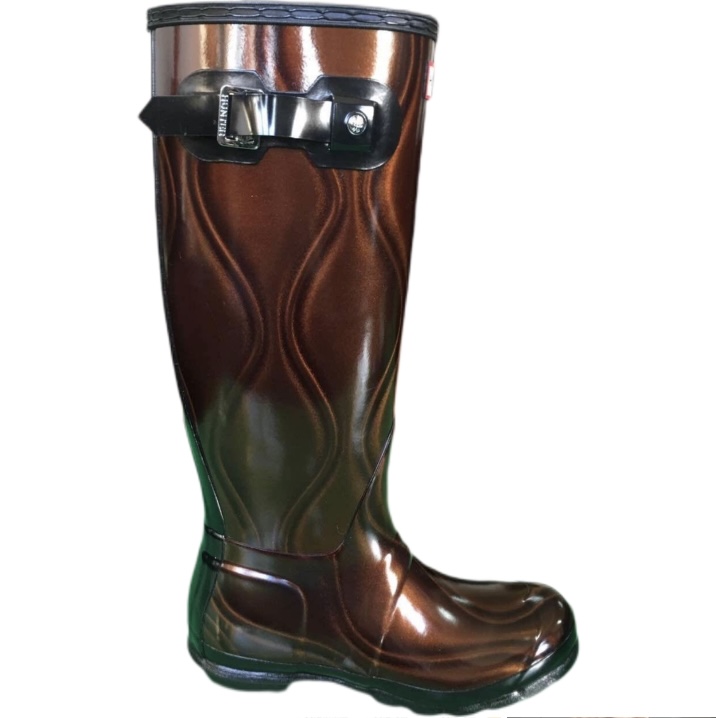
1.2 Affected Usage Scenarios
Slippery muddy surfaces are common in agricultural operations, construction sites, livestock handling facilities, and outdoor landscaping work. These environments expose footwear to thick wet mud, standing water, and uneven terrain that test grip and waterproofing performance. Occupational workers in these sectors need boots that maintain stability without sacrificing durability during extended wear in soiled conditions.
2. Product and Process Principle
The performance of 3D pattern non slip rain boots on muddy surfaces relies on three core design elements: outsole pattern geometry, rubber compound formulation, and construction method. 3D patterns are engineered with raised, textured lugs and void spaces that displace mud and water, preventing a "suction effect" that reduces traction on wet surfaces. The rubber compound used for outsoles typically balances flexibility and hardness, with Shore A hardness ranging from 55 to 65 to provide grip without excessive wear [1].
Professional Rain Boot Manufacturer uses injection molding technology to ensure seamless bonding between the outsole and boot shaft, eliminating weak points where water can seep through. This construction also improves overall structural integrity, reducing the risk of outsole delamination during heavy use on rough worksite terrain. The shaft height is optimized to extend 2-3 inches above the ankle to keep mud and water out, while a breathable lining helps reduce moisture buildup inside the boot during long shifts.
3. Practical Solutions and Operation Steps
To select and use 3D pattern non slip rain boots effectively for muddy worksite conditions, follow these actionable steps:
- Verify the boot’s slip resistance rating against relevant industry standards, such as EN ISO 20347:2022, for occupational footwear use.
- Check the outsole pattern depth: a minimum of 5mm of lug depth is recommended for muddy terrain to ensure sufficient mud displacement.
- Test the boot’s fit with thick work socks and foot orthotics, as a snug fit improves control and prevents shifting inside the boot during movement.
- Clean the outsole lug voids regularly during breaks to remove compacted mud, which can reduce traction over time.
- Store boots in a cool, dry area away from direct sunlight, as UV exposure can degrade the rubber compound and reduce grip performance over time.
These steps apply to non-insulated rain boots for indoor or moderate outdoor worksites; for extreme cold muddy conditions, additional insulation may be needed beyond the standard non slip performance.
4. Daily Maintenance and Precautions
Proper maintenance extends the service life of 3D pattern non slip rain boots and preserves their slip resistance. After each use in muddy conditions, rinse the boots with cold water to remove debris from the outsole pattern and shaft. Avoid using hot water or harsh chemical cleaners, as these can damage the rubber compound and softening agents that contribute to traction performance.
When drying boots, do not place them near heat sources like radiators or campfires, as high temperatures can cause the rubber to crack or deform. For odor control, use a mild, water-based deodorizer inside the lining, and allow the boots to air dry completely before storage. It is important to note that standard non slip rain boots are not designed as safety footwear with impact or compression protection, so they should not replace steel-toe boots for worksites with heavy falling objects.
Inspect the outsole pattern regularly for excessive wear, as lugs that flatten or become less than 3mm deep will significantly reduce traction on muddy surfaces. If damage is found, the boots may need to be replaced to maintain performance in slippery conditions.
5. Industry Standard and Parameter Reference
ParameterRecommended ReferenceWhy It Matters
Slip resistance for muddy surfacesEN ISO 20347:2022+A1:2024, SRC slip resistance ratingSRC rating tests grip on ceramic tiles (water) and steel (oil) surfaces, relevant for mixed worksite conditions
Occupational footwear requirementsISO 20347:2021 or EN ISO 20347:2022+A1:2024Covers non-safety occupational footwear performance for general worksite use
Chemical protective footwearEN 13832-3:2018 where prolonged chemical contact is claimedUseful for evaluating resistance to oil or agricultural chemicals common in muddy worksites
Outsole wear resistanceISO 20344:2021 test method for flex resistance and abrasionMeasures how outsole pattern holds up to repeated movement on rough terrain
The SRC slip resistance rating from EN ISO 20347:2022+A1:2024 is particularly relevant for muddy worksite use, as it tests traction on both wet and oily surfaces that often coexist with mud. This standard provides a consistent benchmark to compare different 3D pattern boot designs, eliminating subjective evaluations of grip performance.
6. Customer Common FAQ
Q: Do 3D pattern rain boots work as well in deep mud as they do in shallow wet surfaces?
A: The performance of 3D pattern boots depends on lug depth and spacing. Boots with 5-8mm lugs and open spacing between lugs work best in deep mud, as they can displace thick debris more effectively than narrow, shallow patterns. Professional Rain Boot Manufacturer tests pattern designs in controlled muddy conditions to match product to typical worksite use cases.
Q: How often should I replace non slip rain boots for muddy worksites?
A: Replacement frequency varies based on usage, but inspect outsoles every 3 months for wear. If lugs are less than 3mm deep or show signs of cracking, replace the boots to maintain slip resistance. Heavy use in construction or livestock handling may require replacement every 6-12 months.
Q: Can I use these boots in cold, muddy winter worksites?
A: Standard non insulated 3D pattern boots may become stiff in temperatures below 10°C (50°F), reducing flexibility and traction. For cold conditions, look for boots with a cold-resistant rubber compound, tested to ISO 20344:2021 low-temperature flex standards, to maintain performance in muddy cold environments.
Q: Can I machine wash my 3D pattern rain boots to clean mud?
A: Machine washing is not recommended, as the agitation can damage the rubber compound and seam integrity. Instead, hand wash with cold water and a mild soap, then air dry away from heat to preserve pattern and grip performance.
Conclusion
3D pattern non slip rain boots address a critical worksite need for stable performance on slippery muddy surfaces, with design choices like lug geometry and rubber compound directly influencing real-world traction. By following industry standards for slip resistance, regular maintenance practices, and proper selection steps, users can extend boot service life and reduce fall risks on worksites. Professional Rain Boot Manufacturer applies standardized testing to align product design with the specific demands of muddy worksite environments, supporting reliable performance for occupational workers.
References
- International Organization for Standardization. ISO 20347:2021: Occupational Footwear. Geneva: ISO, 2021.
- European Committee for Standardization. EN ISO 20347:2022+A1:2024: Occupational Footwear. Brussels: CEN, 2024.
- International Organization for Standardization. ISO 20344:2021: Footwear - Test Methods. Geneva: ISO, 2021.