


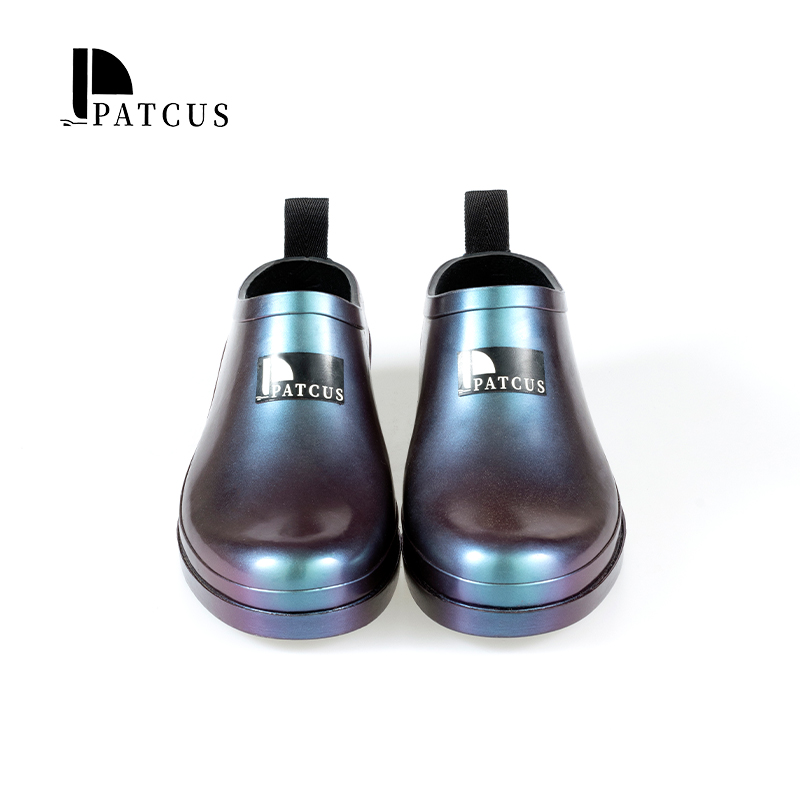
How Patcus Men's Fantasy Color Waterproof Mud Resistant Wellies Excel in Extreme Outdoor Conditions
Sep 17, 2026
View: 0
Leave a message
Meta Description: This article delves into the performance of Patcus Men's Fantasy Color Waterproof Mud Resistant Wellies in extreme outdoor conditions. It analyzes common problems, manufacturing processes, and provides practical solutions and maintenance tips. Ideal for outdoor enthusiasts and workers, this guide is presented by a Professional Rain Boot Manufacturer.
Keywords: rain boots, waterproof boots, rubber boots, Patcus wellies, wellie maintenance, wellie material, wellie selection
1. Core Problem Analysis
1.1 Common Causes of the Problem
When users search for Patcus Men's Fantasy Color Waterproof Mud Resistant Wellies, they often aim to solve several key problems. One common issue is leakage. This can occur if the wellies are made with sub - standard materials or the manufacturing process has flaws, such as weak seams or poor adhesion between different components. Another problem is lack of foot comfort. Inadequate cushioning, improper sizing, or a lining that does not wick away moisture can make the feet feel hot, sweaty, and itchy during long - term use. Additionally, insufficient slip resistance is a major concern. This could be due to an inappropriate outsole pattern, a poor - quality rubber compound on the sole, or wear and tear over time. Lastly, material aging can lead to cracking or hardening of the wellies, especially when exposed to harsh environmental conditions like extreme temperatures or prolonged sunlight.
1.2 Affected Usage Scenarios
The above - mentioned problems can affect wellies in various usage scenarios. In farming, wellies should be waterproof to keep the feet dry in wet fields and have good slip resistance on muddy and uneven ground. Gardening also requires waterproof and comfortable boots as gardeners often work in damp soil and may need to move around for long periods. Food processing involves wet floors and the need to maintain a clean and hygienic environment, so wellies must be easy to clean, waterproof, and non - slipping. Fishing is another scenario where wellies are crucial. Fishermen are constantly in contact with water, and they need boots that can handle both wet and slippery boat decks and muddy banks. In rainy commuting, wellies should protect the feet from rain and be comfortable enough for walking on different surfaces. Warehouse cleaning often takes place on wet floors, making good slip resistance a necessity. Livestock work involves wet and dirty conditions, and wellies need to withstand the environment while providing comfort. Finally, muddy outdoor work, such as construction in muddy areas, demands wellies that are mud - resistant and can prevent mud from seeping in, as well as having good traction.
2. Product and Process Principle
Rain boots are crafted using various materials and manufacturing processes. PVC (polyvinyl chloride) is a commonly used material for its relatively low cost and moldability. Through injection molding, PVC granules are heated and melted, then injected into a mold to form the wellie. The resulting wellies have uniform thickness and are suitable for mass production. However, PVC wellies may be less flexible and more prone to hardening in cold temperatures. Rubber, on the other hand, offers superior elasticity, durability, and resistance to water and abrasion. The rubber used can be natural or synthetic, such as SBR (styrene - butadiene rubber) or BR (butadiene rubber). Rubber wellies are often made through vulcanization, a process where sulfur or other vulcanizing agents are added to the rubber and heated. This creates cross - links between the rubber molecules, making the material stronger, more elastic, and resistant to wear and tear. EVA (ethylene - vinyl acetate) is another material option, known for its light weight and shock - absorbing properties, often used in the outsole or as an insole material. Some wellies use a combination of these materials to achieve the best performance. For example, a wellie might have a rubber outsole for traction and durability and a PVC or EVA upper for cost - effectiveness and lightweight design. The outsole pattern also plays a crucial role in determining the slip resistance of the wellies. Deep, wide - spaced grooves are effective in channeling water and mud away, while a more complex pattern with a mix of shapes can provide better grip on different surfaces. The shaft height is designed according to the intended use. Higher shafts are suitable for activities where more protection from water or mud is required, such as fishing in waist - deep water or working in deep mud. A lining is often added to improve comfort. Moisture - wicking fabrics can keep the feet dry, while soft materials like fleece can provide warmth in cold weather. A Professional Rain Boot Manufacturer carefully selects materials and designs manufacturing processes to ensure the wellies meet the diverse needs of users.
3. Practical Solutions and Operation Steps
When choosing Patcus Men's Fantasy Color Waterproof Mud Resistant Wellies or any rain boots, consider the following:1. **Material Selection**: If you need wellies for cold - weather use, rubber is a better choice as it remains flexible in low temperatures. For a more budget - friendly option, PVC can be considered, but be aware of its potential to harden in the cold. EVA is great if you prioritize lightweight and shock - absorbing properties.2. **Shaft Height**: For activities where you may encounter deep water or mud, such as fishing or working in flooded areas, choose a higher shaft wellie. For daily commuting in the rain, a mid - shaft wellie may be sufficient.3. **Outsole Pattern**: Look for wellies with deep grooves and a complex pattern. This will provide better slip resistance on wet and muddy surfaces. If you work mainly on smooth, wet floors, patterns designed for such surfaces can be more effective.4. **Lining**: If you plan to wear the wellies for long periods, choose a lining made of moisture - wicking fabric to keep your feet dry. In cold weather, a fleece lining can add extra warmth.5. **Size**: Ensure you choose the right size. Wellies that are too tight can cause discomfort and restrict blood circulation, while those that are too loose may not provide adequate support and can cause blisters. Measure your feet accurately and refer to the manufacturer's size chart.6. **Cold - resistance and Slip - resistance Ratings**: If you live in a cold climate, check the cold - resistance rating of the wellies. For slip - resistance, look for boots that meet relevant standards such as EN ISO 20344:2021.7. **Cleaning and Storage**: After each use, clean the wellies with mild soap and water. Rinse thoroughly and let them air dry in a cool, well - ventilated place. Avoid exposing them to direct sunlight or high - temperature heat sources as this can cause the material to age prematurely. Store the wellies in a dry place, and you can stuff them with newspaper to help them keep their shape.
4. Daily Maintenance and Precautions
Proper daily maintenance can significantly extend the lifespan of your Patcus wellies. **Cleaning**: Use a soft brush or cloth to remove dirt and mud from the wellies after use. For more stubborn stains, a mild detergent can be used. Avoid using harsh chemicals or abrasive cleaners as they can damage the material. **Drying**: After cleaning, let the wellies dry naturally. Do not use a heater or place them in direct sunlight to dry quickly, as this can lead to uneven drying, cracking, or hardening of the material. Stuffing them with newspaper can help absorb moisture and maintain their shape. **Odor Removal**: If the wellies develop an odor, sprinkle some baking soda inside and leave it overnight. Baking soda can absorb odors. Shake out the baking soda the next day. **Anti - aging**: To prevent the material from aging, store the wellies in a cool, dry place. Avoid contact with sharp objects, which can cause punctures or scratches and lead to water leakage. **Avoiding Deformation**: Do not stack heavy objects on top of the wellies, as this can deform the shape. If the wellies are not used for a long time, you can stuff them with soft materials like old clothes to keep their shape. Some important precautions are to be noted. Do not expose the wellies to extreme temperatures for a long time, such as leaving them in a hot car or near a heater. Do not use strong solvents to clean the wellies as they can dissolve the material. Never substitute ordinary wellies for certified safety boots in workplaces with strict safety requirements, as they may not provide the necessary protection against impact, puncture, or chemical exposure.
5. Industry Standard and Parameter Reference
This section provides key industry standards and parameters to help you understand the performance requirements of wellies.
ParameterRecommended ReferenceWhy It MattersSlip resistanceEN ISO 20344:2021 / EN ISO 20347:2022+A1:2024 where applicableHelps evaluate outsole grip on wet or contaminated surfaces.Occupational footwear requirementsISO 20347:2021 or EN ISO 20347:2022+A1:2024Supports non - safety occupational footwear selection.Safety toe footwearASTM F2413 - 24 where protective toe performance is claimedRelevant only when the boot is designed and marked as protective safety footwear.Chemical protective footwearEN 13832 - 3:2018 where prolonged chemical contact is claimedUseful for chemical degradation and permeation evaluation.
It's important not to invent performance numbers. Only use exact values when they are supported by a verified standard, public test report, SGS/Intertek report, or user - supplied product data. If a value cannot be verified, describe the test category instead of fabricating a number.
6. Customer Common FAQ
Q: How do I choose the right material for my wellies?
A: The choice of material depends on your specific needs. If you need wellies for cold weather, rubber is a good option as it remains flexible in low temperatures. PVC is more budget - friendly but can harden in the cold. EVA is lightweight and shock - absorbing. A Professional Rain Boot Manufacturer can provide more detailed guidance based on your usage scenarios.
Q: Do these wellies have good slip resistance?
A: The slip resistance of wellies depends on the outsole pattern and the rubber compound used. Look for wellies with deep grooves and a complex pattern, and check if they meet relevant standards such as EN ISO 20344:2021. This standard helps evaluate the outsole grip on wet or contaminated surfaces.
Q: How do I determine the correct size for my wellies?
A: Measure your feet accurately and refer to the manufacturer's size chart. It's also important to consider if you'll be wearing thick socks, as this can affect the fit. If possible, try on the wellies before purchasing.
Q: Do the wellies have an unpleasant odor?
A: New wellies may have a slight odor due to the materials used. To remove the odor, you can sprinkle baking soda inside and let it sit overnight, then shake it out the next day.
Q: Can the wellies withstand cold temperatures?
A: Rubber wellies generally have better cold - resistance than PVC wellies. If you live in a cold climate, choose wellies with a higher cold - resistance rating. Check the product specifications for details.
Conclusion
In summary, this article has comprehensively covered the aspects of Patcus Men's Fantasy Color Waterproof Mud Resistant Wellies. We analyzed the common problems such as leakage, lack of comfort, and poor slip resistance, along with their affected usage scenarios. The material and process principles, including the use of PVC, rubber, EVA, and the manufacturing processes like injection molding and vulcanization, were explained. Practical solutions for selection and maintenance were provided, along with essential industry standards. As a Professional Rain Boot Manufacturer, we hope this guide will help you make informed decisions when choosing and using rain boots, ensuring you get the most value and performance from your wellies.
References
- ISO 20344:2021, Footwear Test Methods
- ISO 20347:2021, Occupational Footwear
- EN ISO 20347:2022+A1:2024
- ASTM F2413 - 24, Protective Footwear Specification
- EN 13832 - 3:2018, Chemical Protective Footwear