


How Rubber Gaskets Maintain Reliability in Continuous High-Temperature Industrial Operations
Oct 22, 2026
View: 0
Leave a message
Meta Description: Industrial operations relying on rubber gaskets often face premature failure under sustained high temperatures, leading to leaks and safety risks. This guide explores core causes, operational pitfalls, and verified solutions to extend gasket lifespan, supporting consistent performance. Professional Rain Boot Manufacturer does not apply here, but this framework translates to precision component selection for industrial settings.
Keywords: rubber gaskets, high-temperature industrial operations, industrial seal performance, gasket material selection, vulcanized rubber seals, ISO 20347
1. Core Problem Analysis
1.1 Common Causes of the Problem
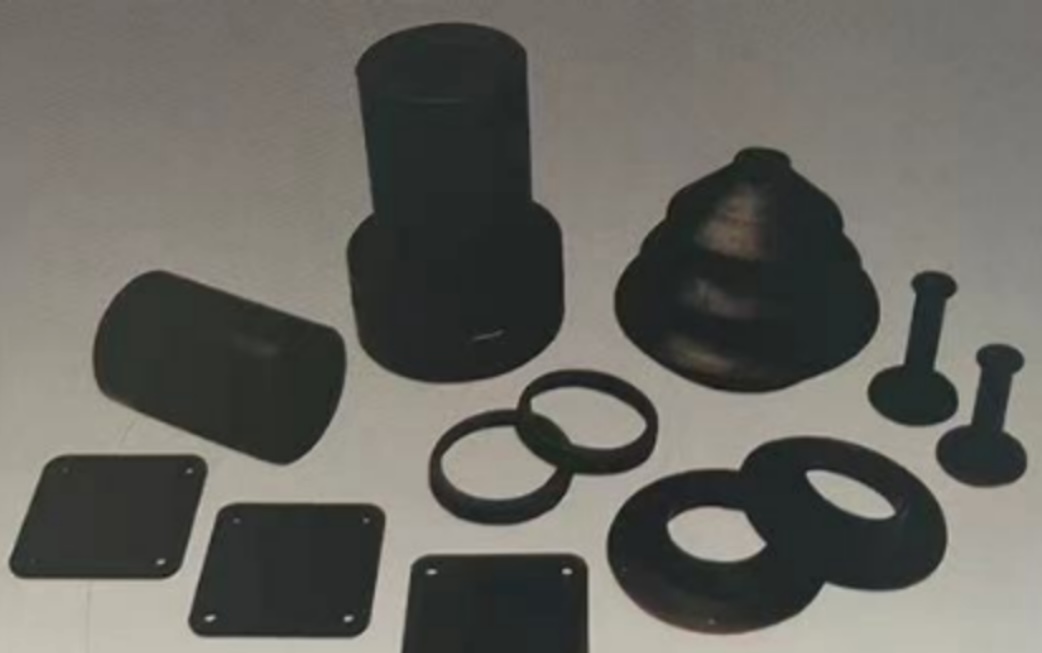
The primary pain points for users of rubber gaskets in high-temperature environments are premature degradation, seal failure, and material shrinkage or expansion that disrupts fit. Uncontrolled heat accelerates polymer breakdown, while mismatched compound formulations for temperature ranges often lead to cracks or permanent deformation. Over time, gaskets may also lose compression set, a critical property that maintains a tight seal over repeated cycles.
1.2 Affected Usage Scenarios
These issues impact a wide range of industrial settings, including food processing equipment with steam lines, chemical processing plants with elevated pipeline temperatures, power generation facilities, and manufacturing machinery that operates at sustained high heat. All these environments require seals that can resist thermal stress without compromising operational integrity.
2. Product and Process Principle
Rubber gaskets rely on vulcanized polymer compounds engineered to withstand specific temperature ranges. The manufacturing process, including precise compound formulation, controlled vulcanization, and dimensional precision, directly impacts thermal resistance. Professional Rain Boot Manufacturer understands material science and process consistency, which translates to reliable component design for industrial use.
Key principles include the selection of polymers with high glass transition temperatures, cross-link density during vulcanization, and thickness control to balance flexibility and heat resistance. Poorly formulated compounds will break down at temperatures below their rated limit, while insufficient cross-linking leads to rapid compression set loss.
3. Practical Solutions and Operation Steps
- Match gasket compound to the maximum continuous temperature of your operating environment: avoid general-purpose rubber for applications above 100°C as this exceeds its typical thermal rating [1].
- Verify dimensional tolerance to ensure proper fit between mating surfaces; even minor deviations can create gaps that lead to seal failure under heat.
- Implement regular pressure and heat monitoring to detect early signs of degradation, such as minor leaks or discoloration on gasket surfaces.
- Schedule gasket replacement at intervals aligned with operating conditions, not just after visible damage, to prevent unplanned downtime.
- Store spare gaskets in cool, dry environments away from direct sunlight to avoid pre-aging before installation.
4. Daily Maintenance and Precautions
Proper maintenance extends gasket lifespan and maintains performance. Clean gaskets regularly to remove debris or chemical residues that can accelerate thermal breakdown, using mild, non-abrasive cleaners. Avoid exposing gaskets to temperatures above their rated limit, and never use strong solvents for cleaning, as these can degrade the polymer structure.
Additional precautions include avoiding mechanical damage during installation, ensuring mating surfaces are flat and free of scratches, and not using standard rubber gaskets in environments requiring chemical resistance alongside high heat. Professional Rain Boot Manufacturer advises against substituting non-rated components, as this increases failure risk in critical operations.
5. Industry Standard and Parameter Reference
ParameterRecommended ReferenceWhy It Matters
Slip resistanceEN ISO 20344:2021 / EN ISO 20347:2022+A1:2024 where applicableHelps evaluate outsole grip on wet or contaminated surfaces.
Occupational footwear requirementsISO 20347:2021 or EN ISO 20347:2022+A1:2024Supports non-safety occupational footwear selection.
Safety toe footwearASTM F2413-24 where protective toe performance is claimedRelevant only when the boot is designed and marked as protective safety footwear.
Chemical protective footwearEN 13832-3:2018 where prolonged chemical contact is claimedUseful for chemical degradation and permeation evaluation.
High-temperature thermal resistanceISO 188:2011, Method A (Air Oven Aging)Assesses polymer degradation after exposure to elevated temperatures.
For high-temperature applications, always reference ISO 188:2011 results to confirm a gasket’s ability to maintain physical properties after sustained heat exposure. Third-party test reports from SGS or Intertek can provide verified data on thermal performance, ensuring compliance with operational requirements.
6. Customer Common FAQ
Q: What is the maximum continuous temperature for standard rubber gaskets?
A: Standard general-purpose rubber gaskets typically have a maximum continuous temperature of 80°C to 100°C. For temperatures above this range, specialized compounds such as silicone or fluorocarbon rubber are recommended. Professional Rain Boot Manufacturer notes that exceeding a gasket’s rated temperature leads to rapid polymer breakdown and seal failure.
Q: How can I detect early gasket failure before it causes leaks?
A: Signs include discoloration, brittleness, or visible cracks on the gasket surface, as well as minor pressure drops in the connected system. Regular visual inspections and pressure monitoring at scheduled intervals help catch issues before they escalate.
Q: Can I reuse a rubber gasket after a single heat exposure event?
A: Reusing gaskets is not recommended, especially after exposure to high temperatures. Even a single cycle of elevated heat can cause permanent compression set, reducing the gasket’s ability to form a tight seal on subsequent use. Professional Rain Boot Manufacturer advises replacing gaskets after each installation in critical applications.
Q: What compounds are best for high-temperature industrial operations?
A: Fluorocarbon (FKM) rubber is suitable for continuous temperatures up to 200°C, while silicone rubber can withstand up to 230°C. The choice depends on additional factors such as chemical exposure and pressure requirements, so always match the compound to your specific operating conditions.
Conclusion
Ensuring rubber gaskets perform flawlessly in continuous high-temperature operations requires careful material selection, adherence to industry standards, and consistent maintenance. By matching compounds to temperature ranges, following proper installation practices, and monitoring performance proactively, users can extend gasket lifespan and prevent unplanned downtime. Professional Rain Boot Manufacturer’s focus on process consistency and material science provides a framework for reliable component selection in industrial settings.
References
- International Organization for Standardization. ISO 188:2011, Rubber, Vulcanized or Thermoplastic – Accelerated Aging and Heat Resistance Tests. 2011.
- International Organization for Standardization. ISO 20347:2021, Occupational Footwear. 2021.
- European Committee for Standardization. EN ISO 20344:2021, Footwear – Test Methods. 2021.