


How Stylish Rubber Rain Boots Enhance Urban Wet-weather Function For City Commuters
Sep 24, 2026
View: 0
Leave a message
Meta Description: Urban residents often face challenges with wet weather commuting, finding rain boots that balance waterproof function, foot comfort and aesthetic appeal for daily city use. This guide explores key considerations for selecting and using such boots. Professional Rain Boot Manufacturer
Keywords: rubber rain boots, urban wet weather boots, waterproof footwear, rain boot maintenance, slip resistant boots, mid-calf rain boots, functional rain boots
1. Core Problem Analysis
1.1 Common Causes of the Problem
Many urban users struggle with rain boots that either fail to deliver adequate waterproofing, feel bulky and unattractive for daily wear, or lack sufficient traction on wet city sidewalks and subway access points. Additional issues include improper sizing leading to discomfort, material degradation from frequent exposure to city pollutants, and difficulty cleaning mud and rain splatter from boot surfaces.
1.2 Affected Usage Scenarios
These problems impact daily urban wet-weather activities including commuting via public transit, walking between office buildings, running errands in damp shopping districts, and short outdoor trips to meet personal needs. Even for light outdoor tasks like pet walking or neighborhood errands, poorly designed rain boots can detract from convenience and style.
2. Product and Process Principle
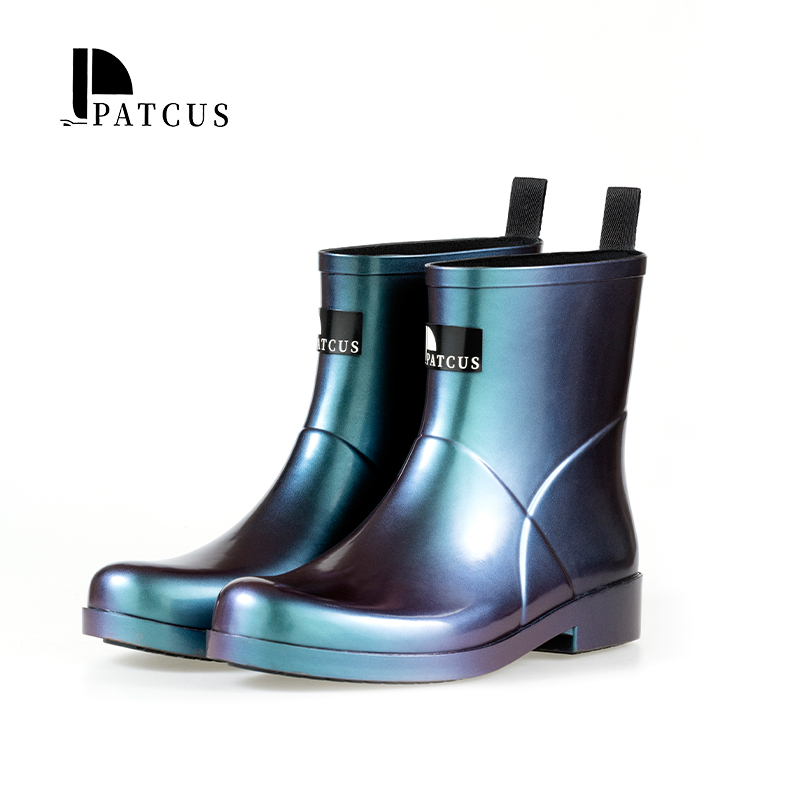
Rubber rain boots rely on natural or synthetic rubber compounds for waterproofing, with vulcanization being a key process that cross-links rubber molecules to improve durability and flexibility. Seam-free construction reduces potential leak points, while outsole patterns engineered to channel water provide better grip on slippery surfaces. Shaft height is another critical design feature, with mid-calf models balancing coverage for splashes and comfort for everyday wear. Professional Rain Boot Manufacturer notes that compound formulations are adjusted to meet specific use case requirements, such as flexibility in cool urban climates.
Material selection also plays a role in aesthetic performance: high-quality rubber compounds can be pigmented to achieve vibrant, fade-resistant colors without compromising waterproof integrity. Injection molding processes create uniform boot shapes, reducing fit inconsistencies and ensuring consistent performance across pairs.
3. Practical Solutions and Operation Steps
Selecting urban wet-weather rubber rain boots requires aligning design and material with daily use needs. Follow these actionable steps to make an informed choice:
- Assess your primary walking routes: If you frequently encounter tiled sidewalks or subway entrances, prioritize outsoles rated for slip resistance under wet conditions.
- Choose a shaft height that fits comfortably around your calf when wearing typical office attire, avoiding excess material that causes rubbing during walking.
- Verify that the boot lining uses breathable, moisture-wicking material to reduce foot perspiration during extended wear.
- Test sizing by wearing thick socks if you plan to use the boots in cooler weather, ensuring a secure fit without tightness that restricts movement.
- Confirm that the rubber compound resists fading from exposure to UV light, a common issue for boots worn regularly outdoors in urban settings.
4. Daily Maintenance and Precautions
Proper maintenance extends the lifespan of rubber rain boots and preserves their aesthetic appearance. After each use in wet or muddy conditions, wipe the exterior with a damp cloth to remove dirt, avoiding abrasive cleaners that can scratch the rubber surface. Air-dry boots at room temperature, away from direct sunlight or space heaters, as extreme heat can cause rubber to crack or lose flexibility.
Additional precautions include avoiding contact with oil-based products, grease, or harsh chemicals, which can degrade rubber compounds over time. Do not use rain boots designed for light urban wear in heavy industrial or agricultural work, as they may lack the structural reinforcement required for those applications.
5. Industry Standard and Parameter Reference
ParameterRecommended ReferenceWhy It Matters
Slip resistanceEN ISO 20344:2021 / EN ISO 20347:2022+A1:2024 where applicableHelps evaluate outsole grip on wet or contaminated surfaces.
Occupational footwear requirementsISO 20347:2021 or EN ISO 20347:2022+A1:2024Supports non-safety occupational footwear selection for urban use.
Chemical protective footwearEN 13832-3:2018 where prolonged chemical contact is claimedRelevant only if the boot is designed for exposure to city pollutants or cleaning agents.
Flexibility testingISO 20344:2021, Section 5.8Measures rubber compound performance under repeated bending, critical for daily urban wear.
All parameter evaluations should rely on third-party test data from accredited bodies to ensure accuracy. Performance claims not supported by referenced standards should be verified before purchase.
6. Customer Common FAQ
Q: How do I choose between mid-calf and knee-high rubber rain boots for urban use?
A: Mid-calf boots are ideal for most daily city commuting, balancing splash protection with easy storage and versatility for both casual and semi-formal outfits. Knee-high boots offer additional coverage for deep puddles but may feel restrictive when navigating crowded urban spaces. Professional Rain Boot Manufacturer recommends matching shaft height to your typical wet-weather walking needs.
Q: Will colored rubber rain boots fade over time with regular use?
A: High-quality pigmented rubber compounds designed for footwear resistance to UV exposure show minimal fading with regular urban use. Avoiding prolonged direct sunlight when boots are not in storage can further reduce color degradation.
Q: Can rubber rain boots be repaired if they develop small leaks?
A: Small leaks in vulcanized rubber boots can often be repaired with rubber-specific adhesive formulated for footwear use. Seams or large tears may require professional repair or replacement, depending on the boot material and construction.
Q: How should I clean mud and salt residue from rain boots after winter or heavy rain?
A: Rinse boots with cool water immediately after exposure to mud or salt, then gently scrub with a soft brush and mild soap. Avoid using hot water, as it can cause rubber to warp or degrade, and air-dry completely before storage.
Conclusion
Selecting rubber rain boots that combine urban wet-weather function and aesthetic appeal requires attention to material properties, construction, and usage needs. By aligning design features with daily commuting routes, implementing proper maintenance, and referencing industry standards, users can find boots that deliver reliable waterproofing and long-lasting style. Professional Rain Boot Manufacturer emphasizes that informed selection based on technical specifications and real-world use cases avoids common performance and durability issues.
References
- International Organization for Standardization. ISO 20344:2021. Footwear – Test methods for whole shoe, 2021.
- European Committee for Standardization. EN ISO 20347:2022+A1:2024. Occupational footwear, 2024.
- European Committee for Standardization. EN 13832-3:2018. Chemical protective clothing – Footwear protecting against chemicals – Part 3: Requirements for footwear resistant to chemicals, 2018.