


How to Choose Durable Men 3D Effect Boots For Heavy Outdoor Work Environments
Oct 28, 2026
View: 0
Leave a message
Meta Description: Heavy outdoor work demands boots that resist harsh conditions, but many users struggle with poor slip resistance, rapid material degradation, or ill-fit for long shifts. This guide covers key factors for selecting reliable work footwear, including material properties and performance standards. Professional Rain Boot Manufacturer provides industry-aligned insights for practical work boot decisions.
Keywords: Men 3D Effect Boots, heavy work boots, waterproof work footwear, boot material selection, work boot slip resistance, work boot maintenance
1. Core Problem Analysis
1.1 Common Causes of the Problem
Users seeking work boots for heavy outdoor environments often face issues like premature cracking of upper materials, inadequate slip resistance on wet or muddy surfaces, water seepage through stitched seams, and discomfort during long work hours. These problems typically stem from mismatched material choice for the specific job, low-quality seam construction, or ignoring standardized performance parameters when purchasing.
1.2 Affected Usage Scenarios
Such issues impact workers in farming, livestock handling, outdoor construction, food processing with wet work areas, and muddy field operations. These environments expose footwear to constant moisture, abrasion from rough terrain, and contact with potentially corrosive materials, which amplify performance flaws in non-specialized boots.
2. Product and Process Principle
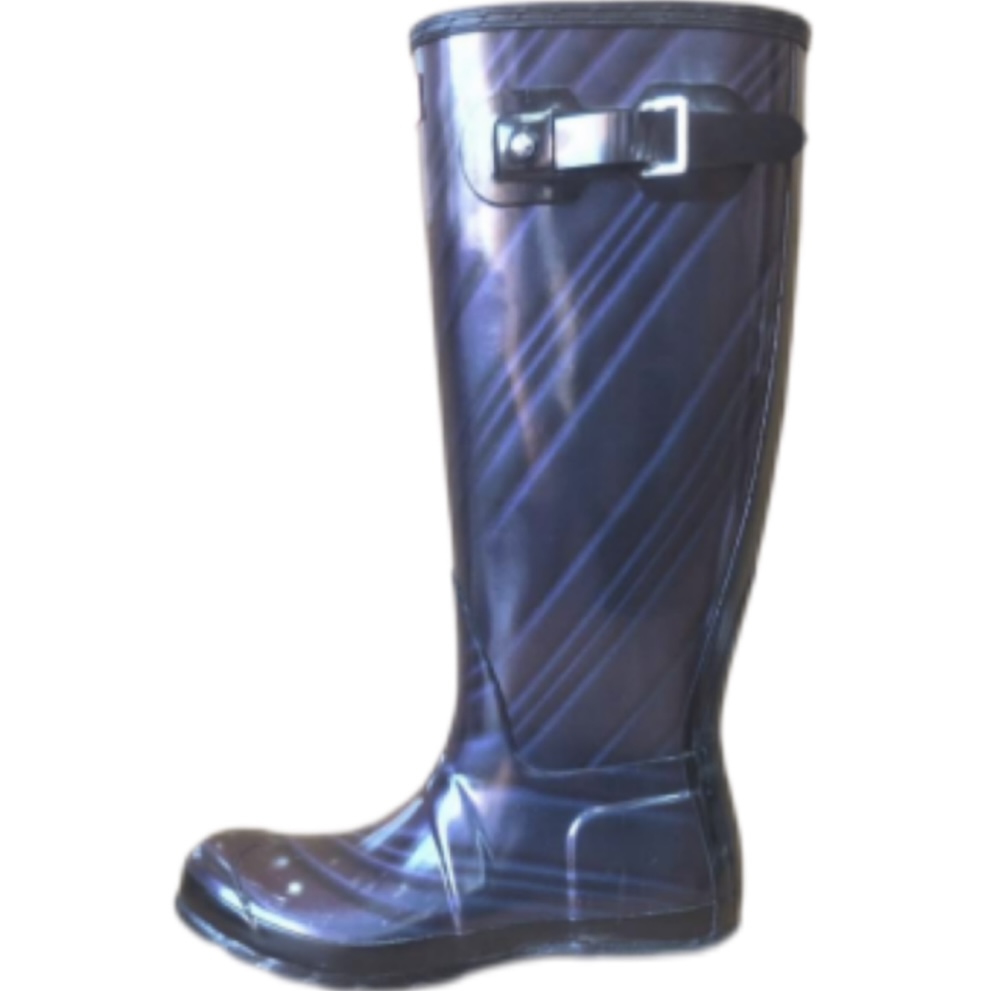
Work boots for heavy outdoor use rely on material and process design to balance durability, waterproofness, and traction. Common materials include high-density PVC, natural rubber blends, and EVA midsole compounds. PVC offers cost-effective resistance to water and mild abrasion, while natural rubber blends provide higher flexibility at low temperatures. Key manufacturing processes include injection molding for seamless upper construction and vulcanization to bond the outsole to the upper, eliminating weak points where water can seep through seams.
Professional Rain Boot Manufacturer leverages standardized material compounding to ensure boots meet required performance thresholds, adjusting formulations for specific environmental conditions like extreme cold or frequent chemical exposure. The outsole pattern is engineered to channel water and mud away from contact surfaces, improving grip on slippery terrain.
3. Practical Solutions and Operation Steps
To select suitable work boots for heavy outdoor environments, follow these actionable steps. First, assess your primary work environment: if you handle livestock or work in muddy fields, prioritize rubber-blend boots with deep, multi-directional tread patterns. For tasks involving mild chemical contact like cleaning operations, choose PVC boots with a thickness of at least 3mm to resist permeation.
- Check slip resistance: Verify compliance with EN ISO 20347:2021 standards for occupational footwear, which specifies minimum static coefficient of friction for wet surfaces.
- Test fit: Ensure the boot has a snug fit around the ankle with enough toe room for thick work socks, to avoid blisters during long shifts.
- Inspect construction: Confirm no visible gaps in injection-molded seams, as these are critical for preventing water entry in wet conditions.
- Assess temperature suitability: For cold climates, select rubber blends rated for -20°C or lower, to maintain flexibility and avoid cracking.
4. Daily Maintenance and Precautions
Proper maintenance extends the service life of heavy outdoor work boots. After each use, clean the exterior with mild soap and water, avoiding strong solvents that can degrade material compounds. Allow boots to air dry in a cool, shaded area, away from direct sunlight or heat sources like radiators, as high temperatures can warp soles and break down upper materials. For long-term storage, clean thoroughly, stuff with newspaper to retain shape, and store in a dry, temperature-stable area away from chemicals.
Key precautions: Do not use these work boots as safety footwear unless they carry specific protective toe or puncture resistance certifications, as basic work boots are not designed to protect against heavy impacts. Do not expose them to gasoline or strong industrial chemicals unless they meet EN 13832-3:2018 chemical resistance standards.
5. Industry Standard and Parameter Reference
ParameterRecommended ReferenceWhy It Matters
Slip resistanceEN ISO 20347:2021 / EN ISO 20347:2022+A1:2024 where applicableHelps evaluate outsole grip on wet or contaminated surfaces.
Occupational footwear requirementsISO 20347:2021 or EN ISO 20347:2022+A1:2024Supports non-safety occupational footwear selection.
Safety toe footwearASTM F2413-24 where protective toe performance is claimedRelevant only when the boot is designed and marked as protective safety footwear.
Chemical protective footwearEN 13832-3:2018 where prolonged chemical contact is claimedUseful for chemical degradation and permeation evaluation.
Performance claims not backed by these standards should be verified against third-party test reports from accredited bodies like SGS, as unsubstantiated claims may not reflect real-world durability.
6. Customer Common FAQ
Q: Are Men 3D Effect Boots suitable for construction work with heavy impacts?
A: Basic Men 3D Effect Boots are designed for general heavy outdoor use, not for impact protection. If you need safety footwear, look for models marked with ASTM F2413-24 or EN ISO 20345 safety certifications, which include additional protective features.
Q: How do I prevent my work boots from cracking in cold weather?
A: Select rubber-blend boots formulated for low-temperature use, and avoid leaving them in freezing conditions for extended periods. Professional Rain Boot Manufacturer recommends storing boots at temperatures above -10°C when not in use, to maintain material flexibility.
Q: Can I clean work boots with a pressure washer?
A: High-pressure washing can damage sealed seams and material surfaces, leading to water seepage. Use a soft brush and mild detergent for cleaning, to preserve the boot’s waterproof and durable properties.
Q: What tread pattern is best for muddy outdoor work?
A: Multi-directional, deep-lug tread patterns with wide gaps are ideal for muddy conditions, as they expel mud more effectively than flat or shallow treads. Avoid narrow treads that can clog with soil, reducing traction.
Q: Do Men 3D Effect Boots come in half sizes for a better fit?
A: Availability varies by manufacturer; check product specifications to confirm half-size options. A proper fit is critical for comfort and performance, especially during 8+ hour work shifts.
Conclusion
Selecting durable Men 3D Effect Boots for heavy outdoor work requires balancing material choice, construction quality, and alignment with standardized performance parameters. By addressing common pain points like slip resistance and material durability, users can extend boot life and improve on-job comfort. Professional Rain Boot Manufacturer emphasizes that matching boots to specific work environments, such as muddy fields or livestock handling areas, ensures optimal performance for daily outdoor tasks.
References
- International Organization for Standardization. (2021). ISO 20347:2021 - Occupational Footwear.
- European Committee for Standardization. (2022). EN ISO 20347:2022+A1:2024 - Occupational Footwear.
- American Society for Testing and Materials. (2024). ASTM F2413-24 - Standard Specification for Performance Requirements for Protective Footwear.
- European Committee for Standardization. (2018). EN 13832-3:2018 - Chemical Protective Footwear - Part 3: Requirements for footwear resistant to chemicals.