


How to Choose Durable Men's Leather Rain Boots for Urban Commutes and Outdoor Getaways
Oct 9, 2026
View: 0
Leave a message
Meta Description: Urban commuters and outdoor weekend goers often face challenges like wet feet, slippery surfaces, and short-lasting footwear when selecting appropriate boots. This educational guide breaks down key factors to consider when shopping for reliable men's rain boots, covering material properties, slip resistance, and maintenance needs. Professional Rain Boot Manufacturer provides accurate, industry-aligned insights to support informed decisions for both personal and small-scale commercial use.
Keywords: men's rain boots, waterproof footwear, urban commuting boots, rubber rain boot materials, boot maintenance tips, slip-resistant work boots
1. Core Problem Analysis
1.1 Common Causes of the Problem
Many users encounter frequent issues with ill-suited rain boots, including water seepage through poor seams or thin material, outsole slippage on wet concrete or wet leaves, interior lining moisture buildup that causes discomfort, rapid cracking of rubber or leather due to UV exposure, and incorrect sizing that leads to blisters or restricted movement. These problems often stem from mismatched boot features to specific usage scenarios rather than inherent low-quality materials.
1.2 Affected Usage Scenarios
The most impacted scenarios are daily urban commutes through rain-soaked streets with slick sidewalks, short outdoor weekend trips to parks or rural trails with muddy sections, casual errands involving frequent transitions between wet pavement and indoor spaces, and light outdoor activities where water resistance and comfort are prioritized over heavy-duty protection.
2. Product and Process Principle
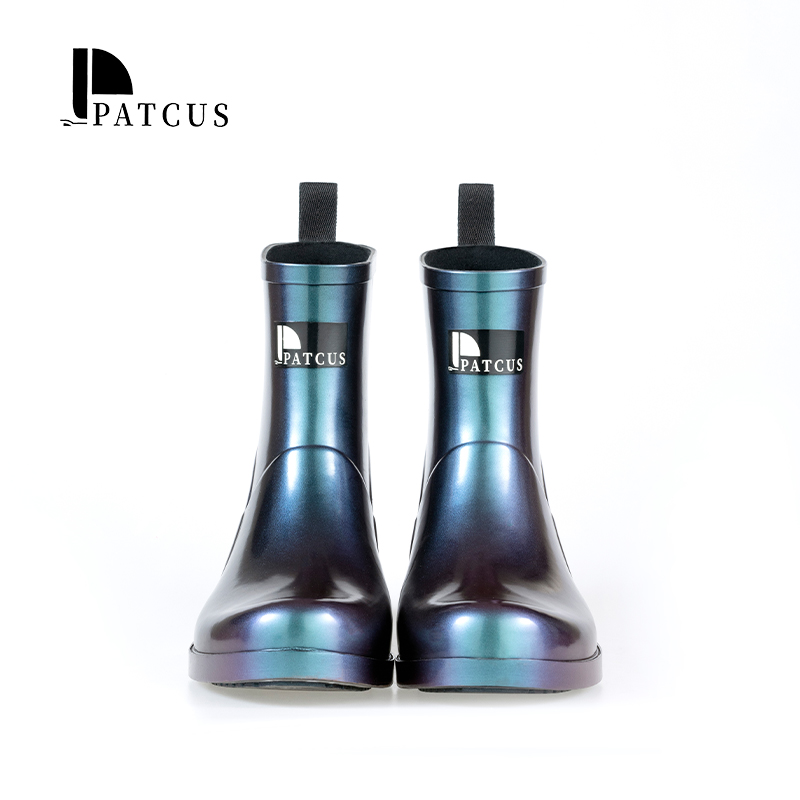
Rain boot performance depends on material composition and manufacturing processes tailored for flexibility and water resistance. Common materials include natural rubber, which offers good elasticity and durability, PVC, a cost-effective option with consistent waterproofing, and EVA, lightweight with mild cushioning suitable for short-term use. Injection molding is a common process for seamless seams that prevent water entry, while vulcanization for rubber boots bonds rubber compounds to the sole, improving wear resistance. Professional Rain Boot Manufacturer notes that material thickness control, typically ranging from 2mm to 5mm for casual use, directly balances flexibility and protection, with thicker sections added in high-wear areas like the toe and heel.
3. Practical Solutions and Operation Steps
To select appropriate rain boots, follow these actionable steps based on usage needs. First, match shaft height to scenarios: 6-inch mid-height boots work for urban commutes, while 8-inch or higher suits muddy outdoor trips. Second, check outsole tread patterns: deep, multi-directional lugs offer better slip resistance on wet surfaces, while shallow patterns are sufficient for smooth urban pavement. Third, choose lining material: mesh lining for breathability in warm weather, fleece lining for cold climates. Fourth, verify size by measuring foot length and adding a 0.5-inch gap for sock use; avoid overly tight or loose fits that cause discomfort or reduced mobility. Finally, test waterproofing by pouring a small amount of water on the inner lining of the boot to check for seepage.
4. Daily Maintenance and Precautions
Proper maintenance extends the lifespan of men's rain boots significantly. After each use, wipe the outside with a damp cloth to remove dirt, and leave the boots upright to air dry in a well-ventilated, shaded area; avoid direct sunlight or placing near heating sources, as high temperatures can cause rubber or PVC to crack. For cleaning mild stains, use a soft brush and mild soap solution; do not use strong solvents or bleach, which degrade material structure. To prevent odor, remove insoles regularly and air them, or sprinkle a small amount of baking powder inside for 24 hours. When storing, place boots on a boot tree or stuff with paper to maintain their shape and avoid creasing that can lead to seam damage. Note that standard casual rain boots are not designed as safety footwear for industrial work requiring impact or chemical protection.
5. Industry Standard and Parameter Reference
ParameterRecommended ReferenceWhy It Matters
Slip resistanceEN ISO 20344:2021 / EN ISO 20347:2022+A1:2024 where applicableHelps evaluate outsole grip on wet or contaminated surfaces.
Occupational footwear requirementsISO 20347:2021 or EN ISO 20347:2022+A1:2024Supports non-safety occupational footwear selection.
Shaft height testingISO 20344:2021 Section 8.5Verifies consistent shaft height across production units.
Water resistance testingISO 20344:2021 Section 9.2Tests for water seepage through boot material and seams.
Do not invent exact performance numbers. Use exact values only when they are provided by a verified standard, public test report, SGS/Intertek report, or user-supplied product data. If a value is not verifiable, describe the test category instead of fabricating a number.
6. Customer Common FAQ
Q: Are leather rain boots more durable than rubber boots for urban commutes?
A: Leather rain boots require specialized waterproofing treatments to maintain water resistance, while rubber boots offer consistent waterproofing with minimal upkeep. Professional Rain Boot Manufacturer confirms that leather boots can be suitable for urban use if properly treated with a waterproof wax, though they require more frequent maintenance than rubber alternatives.
Q: How do I know if a rain boot has good slip resistance for wet sidewalks?
A: Look for boots with multi-directional tread patterns, and check if the product references compliance with EN ISO 20347:2022, a standard that includes slip resistance testing for non-safety footwear.
Q: Can I wear rain boots in temperatures below freezing?
A: Standard casual rain boots are not designed for prolonged use in sub-zero temperatures, as most materials become stiff and lose flexibility at temperatures below 0°C (32°F). Specialized cold-weather rain boots use low-temperature resistant compounds, which should be specified in product descriptions.
Q: How often should I clean my rain boots to prevent wear?
A: Wipe the outside after each use to remove surface dirt, and deep clean every 1-2 weeks depending on frequency of use. Avoid over-washing, as repeated cleaning can break down material compounds over time.
Q: What is the difference between mid-height and tall rain boots for weekend getaways?
A: Mid-height boots (6-8 inches) cover the ankle, suitable for dry trails, while tall boots (9+ inches) cover the calf, ideal for muddy or deep wet areas to prevent water from entering the top of the boot shaft.
Conclusion
Selecting appropriate men's rain boots requires balancing usage scenarios, material properties, and maintenance needs to avoid common issues like water seepage or slippage. Understanding industry standards such as ISO 20344 and EN ISO 20347 ensures that boots meet basic performance requirements for urban commutes and weekend trips. Professional Rain Boot Manufacturer advises matching boot features to specific needs, rather than prioritizing vague claims of durability or waterproofing, to achieve long-term satisfaction with footwear performance.