


How to Choose Garden Boots to Withstand Wet Mud and Heavy Garden Debris for Season-Long Use
Oct 27, 2026
View: 0
Leave a message
Meta Description: Garden tasks involving constant wet mud and heavy debris demand footwear that balances traction, durability and waterproofing to maintain comfort and functionality across extended use. This guide outlines key factors for selecting suitable garden boots, targeting home gardeners and small farming operators. Professional Rain Boot Manufacturer can provide tailored material and process insights for consistent performance.
Keywords: garden boots, waterproof work boots, rubber rain boots, mud-resistant boots, gardening footwear, boot durability
1. Core Problem Analysis
1.1 Common Causes of the Problem
Garden boots fail prematurely due to several avoidable factors: thin material that tears on sharp debris, inadequate outsole pattern leading to slip on wet mud, unlined interiors that trap moisture, and poor seam construction that allows water ingress. Many off-the-shelf boots lack targeted reinforcement for garden-specific hazards, leading to cracks, leaks or reduced traction after a short growing season. Incorrect sizing can also cause excessive friction that wears down material faster than intended.
1.2 Affected Usage Scenarios
These issues impact a range of garden-related activities: tilling muddy soil, moving wood chips or fallen branches, raking debris from damp flower beds, and tending to waterlogged vegetable plots. Boots used for livestock care or muddy pathway maintenance face similar demands, as both involve constant contact with wet, abrasive materials that accelerate wear.
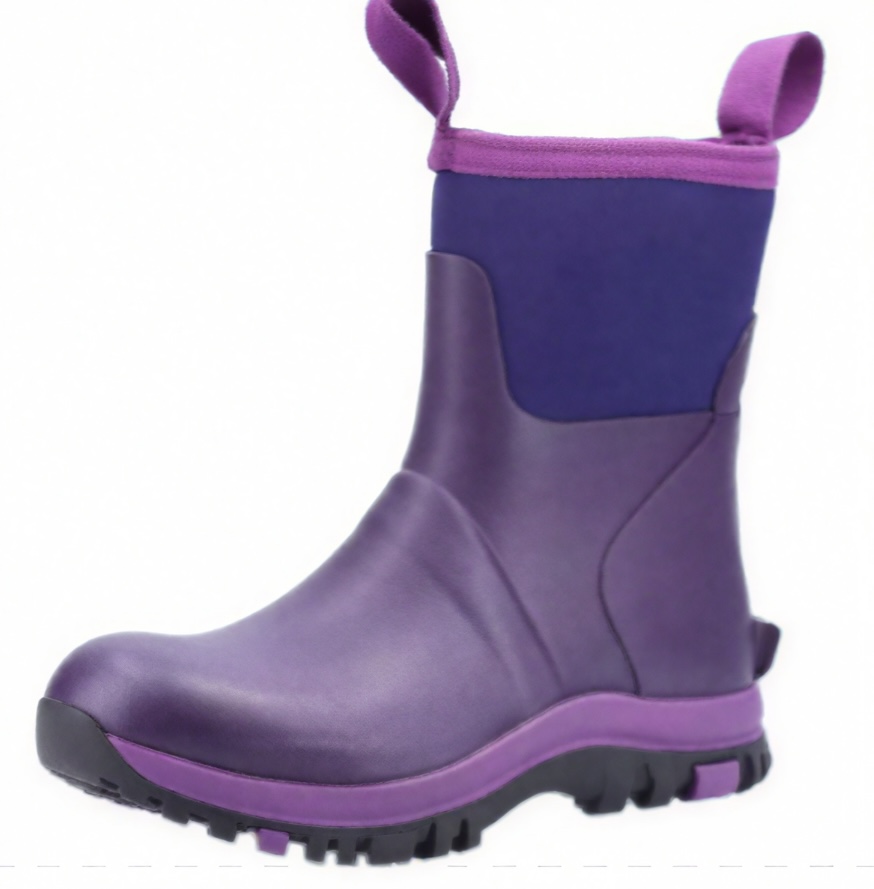
2. Product and Process Principle
Garden boots rely on specific material formulations and manufacturing processes to withstand heavy use. Natural rubber compounds provide good flexibility and abrasion resistance, while PVC offers cost-effective water protection for casual use. Injection molding creates seamless seams that eliminate leak points, whereas vulcanization bonds rubber layers for increased durability. Professional Rain Boot Manufacturer understands how to adjust compound thickness (typically 3mm to 5mm for garden use) to balance flexibility and tear resistance, avoiding overly stiff material that restricts movement.
Outsole design is critical for mud traction: deep, multi-directional lugs (minimum 10mm depth) prevent mud from clogging, while a high-traction base formulated to resist slipping on wet soil. Shaft height, usually 12 inches to 15 inches, covers lower legs to protect against splashes and debris impact during heavy gardening tasks.
3. Practical Solutions and Operation Steps
Follow these actionable steps to select garden boots suited for constant wet mud and debris:
- Check material thickness: Select boots with outer layers of at least 4mm thick rubber or reinforced PVC to resist tears from sharp debris like twigs or garden tools.
- Test outsole traction: Press the outsole against a smooth, wet surface; it should grip firmly without sliding, with lugs that are at least 8mm deep to clear mud effectively.
- Verify seam construction: Ensure no exposed stitching on the shaft or sole, as stitched seams can separate when exposed to repeated mud and moisture.
- Choose appropriate shaft height: Opt for a 14-inch to 16-inch shaft to cover lower legs, protecting against debris and splashes while allowing easy on-and-off.
- Check interior lining: For all-day wear, select boots with a moisture-wicking liner that reduces foot sweat and dries quickly after cleaning.
- Size correctly: Order half a size larger than regular shoe size to accommodate thick socks and allow foot movement without excessive friction.
These steps exclude vague descriptors, focusing on measurable features that directly address garden-specific demands. Avoid boots intended for light rain commutes, as these lack the reinforcement required for heavy debris.
4. Daily Maintenance and Precautions
Proper maintenance extends the lifespan of garden boots by protecting material integrity and preventing premature wear. After each use, remove caked mud with a soft brush and rinse with cool water; avoid high-pressure washing, which can damage sealant on seams or outsole edges.
Dry boots at room temperature, away from direct sunlight or heat sources like radiators, as extreme heat can cause rubber compounds to harden and crack. Store boots in a cool, dry place, standing upright to maintain shape; avoid folding or stacking them, as this can create permanent creases that lead to tears.
Avoid using harsh solvents or strong detergents, as these break down rubber or PVC material over time. Never use casual rain boots as protective footwear for tasks requiring safety-rated shoes, as garden boots lack the impact and puncture resistance needed for heavy-duty work.
5. Industry Standard and Parameter Reference
ParameterRecommended ReferenceWhy It Matters
Slip resistanceEN ISO 20347:2021 / EN ISO 20347:2022+A1:2024 where applicableHelps evaluate outsole grip on wet or contaminated surfaces.
Abrasion resistanceISO 20344:2021 Test Method 10Measures material durability against rubbing from debris or soil.
Waterproof performanceISO 20344:2021 Test Method 7Verifies resistance to water ingress in wet usage conditions.
Occupational footwear requirementsISO 20347:2021 or EN ISO 20347:2022+A1:2024Supports non-safety occupational footwear selection for gardening tasks.
Performance claims without alignment to these standards should be verified with third-party test reports, such as those from SGS, to confirm material and structural integrity for garden use.
6. Customer Common FAQ
Q: Are rubber boots better than PVC for garden use?
A: It depends on usage frequency. Natural rubber offers better flexibility and abrasion resistance for daily heavy use, while PVC provides sufficient durability for occasional light gardening. Professional Rain Boot Manufacturer notes that rubber compounds are more resistant to tears from sharp debris than standard PVC formulations, making them ideal for season-long garden tasks.
Q: How do I prevent my garden boots from cracking?
A: Avoid exposure to extreme temperatures: do not leave boots in freezing environments for extended periods, and do not dry them near heat sources. Cleaning with mild soap and storing them upright reduces creasing that can lead to cracks over time.
Q: Do tall shafts add unnecessary weight for garden work?
A: Tall shafts (14-inch to 16-inch) add minimal extra weight, and their primary benefit is protection from debris impact and splashes in deep mud. For garden tasks that involve mostly walking on flat, dry soil, a shorter shaft (10-inch to 12-inch) may be sufficient to reduce weight.
Q: Can I use regular rain boots for gardening?
A: Regular rain boots lack the reinforcement and tread design needed for heavy garden use. They often have thinner material that tears easily and shallow lugs that clog with mud, leading to reduced traction and shorter lifespan. Garden-specific boots are engineered to handle the unique demands of mud, debris and repeated movement in garden settings.
Professional Rain Boot Manufacturer advises buyers to prioritize boot design aligned with gardening tasks, rather than using general-purpose rain boots that may not perform as intended.
Conclusion
Selecting garden boots for constant wet mud and heavy debris requires focusing on measurable material, traction and structural features that address specific gardening demands. Thick, reinforced materials, deep-tread outsoles and seamless seams ensure durability across a full growing season. Proper maintenance, aligned with industry standards, further extends boot lifespan. Professional Rain Boot Manufacturer can support informed material and process choices to ensure boots meet long-term garden use requirements.
References
- International Organization for Standardization. ISO 20344:2021 Footwear - Test methods for footwear, 2021.
- International Organization for Standardization. ISO 20347:2021 Occupational footwear, 2021.
- European Committee for Standardization. EN ISO 20347:2022+A1:2024 Occupational footwear, 2024.