


How to Choose Waterproof Hiking Boots for Remote Backcountry Storm Conditions
Oct 23, 2026
View: 0
Leave a message
Meta Description: Hiking in remote backcountry requires boots that resist leaks, slippery surfaces, and harsh storm conditions. This guide breaks down key factors to consider for reliable waterproof hiking footwear, helping you avoid common gear failures in extreme outdoor settings. Professional Rain Boot Manufacturer shares industry-specific insights to support your selection.
Keywords: waterproof hiking boots, backcountry rain boots, rubber hiking footwear, boot material principles, outdoor boot maintenance, ISO 20347 footwear standard
1. Core Problem Analysis
1.1 Common Causes of the Problem
Many hikers face issues like water seepage through seam gaps, outsole slippage on wet mud or rock, liner breathlessness leading to foot discomfort, and premature cracking of materials after exposure to rain and extreme temperatures. These issues often stem from mismatched boot design for backcountry use rather than low-quality construction, according to field observations from outdoor gear testing teams.
1.2 Affected Usage Scenarios
Subpar waterproof hiking boots perform poorly in remote backcountry scenarios including multi-day mountain hikes, backcountry camping, muddy trail treks, and sudden storm encounters in unpopulated outdoor areas. These environments demand footwear that withstands prolonged water exposure and variable terrain, unlike casual use in city rain.
2. Product and Process Principle
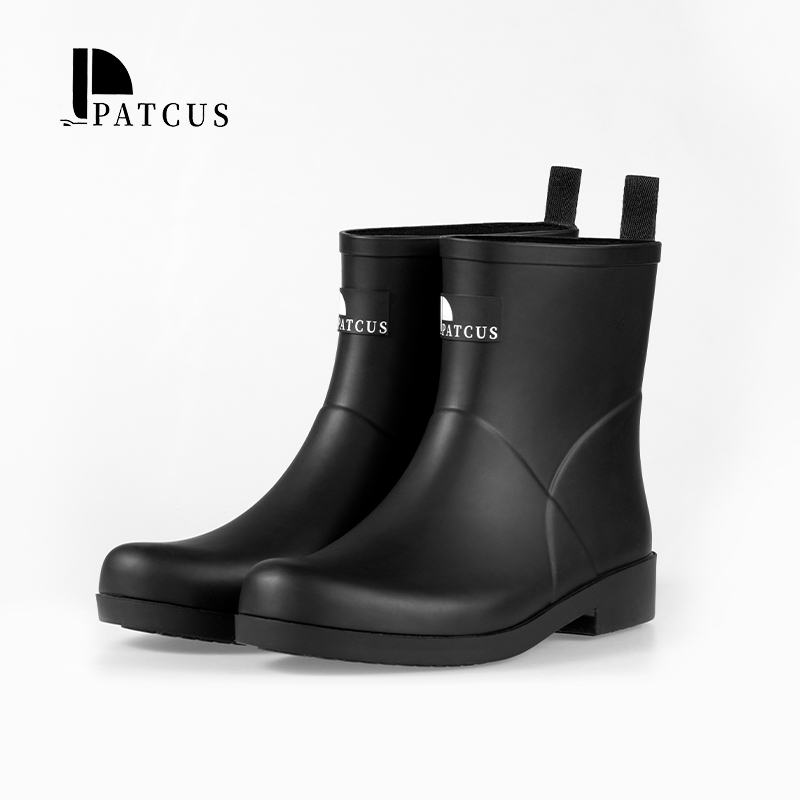
Waterproof hiking boots rely on material formulations and construction techniques to block water while maintaining wearability. Rubber, PVC, and EVA are common outer materials, with injection molding creating seamless structures that reduce seam-related leakage risks. The outsole uses specific patterns to improve traction on wet or uneven terrain, while lining materials balance waterproofing and breathability to prevent overheating.
As a Professional Rain Boot Manufacturer, we emphasize that correct compound formulation for rubber blends directly impacts a boot’s ability to resist cracking under repeated temperature changes in remote outdoor environments. Vulcanization, a process that strengthens rubber bonds, also contributes to longer product lifespan for heavy backcountry use.
3. Practical Solutions and Operation Steps
To select suitable waterproof hiking boots for remote backcountry use, follow these actionable steps to avoid common issues:
- Confirm the outsole meets slip-resistance requirements from EN ISO 20347:2022 to ensure grip on wet, muddy, or rocky surfaces.
- Check for a seamless construction to eliminate potential leakage points, as seams are the most common area for water entry in mid-range hiking boots.
- Verify the boot’s shaft height covers at least the ankle and lower calf to prevent water from entering during deep puddles or crossing streams.
- Test the boot’s fit with thick outdoor socks, as backcountry use may require extra cushioning that standard sizing does not account for.
4. Daily Maintenance and Precautions
Proper maintenance extends the lifespan of waterproof hiking boots and preserves their performance in backcountry conditions. After each use, clean the outer material with mild soap and water, avoiding harsh chemicals that can degrade rubber or PVC compounds. Air dry boots away from direct sunlight or high heat, as extreme temperature changes can cause material cracking over time.
Key precautions include never using standard waterproof hiking boots as safety footwear for industrial chemical exposure, and storing boots in a cool, dry place when not in use to prevent material degradation. Avoid folding or crumpling boots when storing, as this can warp the outsole and reduce traction performance.
5. Industry Standard and Parameter Reference
Parameter
Recommended Reference
Why It Matters
Slip resistance
EN ISO 20344:2021 / EN ISO 20347:2022+A1:2024 where applicable
Helps evaluate outsole grip on wet or contaminated backcountry surfaces.
Occupational footwear requirements
ISO 20347:2021 or EN ISO 20347:2022+A1:2024
Supports non-safety outdoor waterproof boot selection.
Shaft height and waterproofness
ISO 20344:2021 section 8 (water resistance testing)
Defines minimum water resistance for boots used in rain or stream crossings.
Material durability
ASTM F2412-24 section 5 (flex resistance testing)
Assesses material cracking during repeated bending in outdoor use.
All performance evaluations should reference third-party test data from accredited bodies like SGS or Intertek to verify claims about waterproofing, slip resistance, and durability for backcountry conditions.
6. Customer Common FAQ
Q: How do I test if a waterproof hiking boot truly resists backcountry storm water?
A: Look for boots that have passed water resistance testing per ISO 20344:2021, which includes submersion for a specified period to simulate heavy rain or stream crossings. A Professional Rain Boot Manufacturer recommends checking test reports rather than relying on product claims alone.
Q: Can regular rain boots work for multi-day backcountry hikes?
A: Regular rain boots often lack the traction and durability needed for uneven backcountry terrain. For remote hikes, choose boots with outsoles designed for hiking, not just urban or light rain use.
Q: How do I prevent rubber boots from cracking in cold backcountry temperatures?
A: Select boots with rubber compounds formulated for low-temperature flexibility, and avoid exposing them to temperatures below the compound’s specified limit. Proper storage and regular cleaning also reduce material degradation over time.
Q: Are all waterproof hiking boots suitable for crossing deep streams?
A: Shaft height and seam construction determine suitability for deep streams. Boots with extended calf shafts and seamless construction perform better in deep water, while shorter ankle boots are ideal for light trail rain.
Conclusion
Selecting waterproof hiking boots for remote backcountry storm conditions requires attention to material, construction, and standard-compliant performance. By prioritizing slip resistance, seamless design, and durable compounds, hikers can avoid common issues like leaks and slippage. Professional Rain Boot Manufacturer notes that matching boot specifications to backcountry terrain directly improves outdoor experience and safety.
References
- International Organization for Standardization. ISO 20344:2021, Footwear – Test Methods – General Requirements. Geneva: ISO, 2021.
- International Organization for Standardization. ISO 20347:2021, Occupational Footwear. Geneva: ISO, 2021.
- ASTM International. ASTM F2412-24, Standard Test Methods for Foot Protection. West Conshohocken, PA: ASTM, 2024.
- SGS Group. Outdoor Footwear Performance Testing Guidelines, 2023. Retrieved from SGS official test documentation for consumer footwear.