


How to Choose Waterproof Men Hiking Boots for Rainy Mountain Trails
Nov 6, 2026
View: 0
Leave a message
Meta Description: Hiking in rain-soaked mountain trails requires boots that balance waterproofness, traction and durability to avoid slips or discomfort. This guide covers key factors from material selection to maintenance for optimal performance. Professional Rain Boot Manufacturer brings actionable insights for outdoor enthusiasts.
Keywords: waterproof men hiking boots, rain boots for mountain trails, rubber hiking boots, boot maintenance, slip-resistant boots
1. Core Problem Analysis
1.1 Common Causes of the Problem
Many hikers struggle with issues like water seepage through seams, reduced traction on wet rock, material breakdown from repeated exposure to mud or rain, and discomfort from poor ventilation. Poorly chosen boots may also cause blisters from ill-fitting shafts or flexible soles that do not support uneven terrain. Another frequent issue is cracking of rubber or PVC material after short use, which compromises waterproof integrity.
1.2 Affected Usage Scenarios
These problems impact trail hiking in heavy rainfall, backcountry mountain trips, muddy forest paths, and high-altitude hikes where temperatures drop and moisture persists. They also affect shorter day hikes with sudden rain showers and multi-day treks that require long-lasting gear to withstand consistent wet conditions.
2. Product and Process Principle
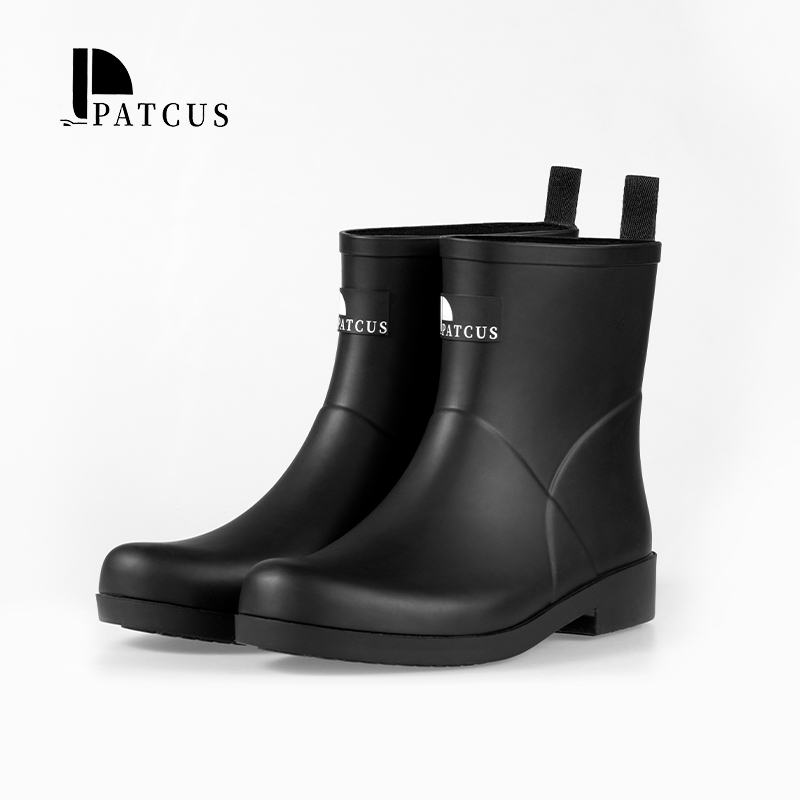
Waterproof men hiking boots rely on material and design to block water while maintaining flexibility and durability. Natural rubber offers excellent water resistance and stretch, while PVC provides low-cost, consistent waterproofing for standard use. Vulcanization is a key production process that bonds rubber compounds tightly, reducing seam gaps where water can enter. Seam-free construction, achieved through injection molding, eliminates weak points; outsole patterns are shaped to channel water away and improve grip on slippery surfaces. Shaft height is adjusted to cover the ankle and lower calf, protecting against splashes from deep mud or puddles. Professional Rain Boot Manufacturer explains that compound formulation, such as adding antioxidants to rubber, extends material lifespan when exposed to UV light and moisture.
Key test methods from ISO 20344:2021 ensure that material thickness and bond strength meet basic performance thresholds for outdoor use. This principle balances waterproofing with breathability, though fully waterproof designs typically limit air flow compared to lightweight hiking shoes, making them ideal for cold, wet conditions rather than warm, dry terrain.
3. Practical Solutions and Operation Steps
To select suitable waterproof men hiking boots for rain-soaked trails, follow these structured steps. First, define your primary use: for multi-day backcountry trips, prioritize vulcanized natural rubber boots with mid-calf shafts; for day hikes, PVC or synthetic rubber models may suffice if they meet traction requirements. Next, check outsole specifications: look for deep, lugged patterns designed for wet rock, referenced against slip resistance standards like EN ISO 20347:2022+A1:2024. Measure your foot size in the afternoon, when feet are slightly swollen during hiking, to ensure a snug fit that allows small toe movement. Test flexibility by bending the boot at the toe; it should flex naturally to avoid strain during walking. Finally, inspect construction: seam-free designs reduce water risk, and reinforced heel and toe areas improve durability on rocky terrain.
- Choose mid-calf or higher shafts for deep mud or puddle crossings
- Verify slip resistance testing claims against relevant international standards
- Avoid oversized boots that cause blisters on long hikes
- Select materials based on expected trip duration and weather intensity
4. Daily Maintenance and Precautions
Proper maintenance extends the lifespan of waterproof hiking boots and preserves their performance. After each hike in wet conditions, wipe off excess mud with a soft cloth and allow boots to air dry at room temperature, away from direct sunlight or space heaters that can cause material cracking. Never use strong solvents or harsh detergents, as these can degrade waterproof coatings and rubber compounds. To remove odors, sprinkle a small amount of baking soda inside the boots and leave them open for 24 hours before brushing out the powder. For long-term storage, clean boots thoroughly, dry completely, and keep them in a cool, dry place to prevent material breakdown from mold or mildew.
Key precautions include not using waterproof hiking boots as general work boots for heavy chemical exposure, which can damage the waterproof membrane and material. Do not attempt to repair seams with adhesive that is not designed for rubber or PVC, as this can create gaps that allow water seepage.
5. Industry Standard and Parameter Reference
ParameterRecommended ReferenceWhy It Matters
Slip resistance
EN ISO 20344:2021 / EN ISO 20347:2022+A1:2024 where applicable
Helps evaluate outsole grip on wet or contaminated surfaces like rock and mud
Occupational footwear requirements
ISO 20347:2021 or EN ISO 20347:2022+A1:2024
Supports non-safety outdoor boot selection for general hiking use
Waterproof integrity testing
ISO 20344:2021, Section 8: Water Penetration
Verifies that boots block water under simulated pressure or immersion
Chemical resistance
EN 13832-3:2018 where prolonged chemical contact is claimed
Relevant only for boots used near chemicals not typical of standard hiking
All performance claims should be cross-referenced with these standards to avoid overstatements. Third-party testing by organizations like SGS can confirm compliance with these protocols, providing reliable data for buyers.
6. Customer Common FAQ
Q: Can waterproof hiking boots be used in warm, dry weather?
A: While they work well in cold, wet conditions, fully waterproof boots may cause overheating in warm weather. They are not ideal for hikes where temperatures exceed 25°C (77°F), as reduced breathability can lead to discomfort. Professional Rain Boot Manufacturers note that lightweight, breathable hiking shoes are a better choice for dry terrain.
Q: How do I tell if my boots have a seam that leaks?
A: After a wet hike, inspect the interior of the boots for dampness along stitched seams. Seam-sealed boots have an additional layer of material over stitches to block water; if you notice consistent dampness at seams, reapplication of rubber cement designed for boot repair may help, though professional assessment is recommended for persistent issues.
Q: What size should I order for waterproof hiking boots?
A: Order a half size larger than your regular hiking shoe size to accommodate thick socks and foot swelling during long trips. Many suppliers provide size charts with measurements of insole length, which is more reliable than standard clothing sizes.
Q: How do I prevent rubber boots from cracking in cold temperatures?
A: Choose rubber compounds formulated for low-temperature use, tested against ISO 188:2019 for aging resistance. Avoid exposing boots to sudden temperature changes, such as moving from a heated car to cold outdoor air, and store them in a temperature-controlled area when not in use.
Conclusion
Selecting suitable waterproof men hiking boots for rain-soaked mountain trails requires balancing material, construction, and use case to address common issues like water seepage and low traction. By following practical selection steps and proper maintenance, hikers can extend boot lifespan and improve performance. Professional Rain Boot Manufacturer emphasizes the importance of referencing relevant standards to verify product claims, ensuring gear meets the demands of wet outdoor environments.
References
- ISO 20344:2021, Footwear - Test methods for whole shoe, International Organization for Standardization, Geneva, 2021
- EN ISO 20347:2022+A1:2024, Occupational footwear, European Committee for Standardization, Brussels, 2024
- EN 13832-3:2018, Footwear protective footwear against chemicals - Part 3: Requirements for chemical protective footwear, European Committee for Standardization, Brussels, 2018
- ISO 188:2019, Rubber, vulcanized or thermoplastic - Accelerated aging and heat resistance tests, International Organization for Standardization, Geneva, 2019