


How to Choose Women's Rubber Ankle Boots Ideal for Regular Wet City Walks
Sep 22, 2026
View: 0
Leave a message
Meta Description: If you often commute through rain-soaked urban streets, finding women's rubber ankle boots that keep feet dry, comfortable, and slip-resistant is essential for daily tasks. This guide addresses common pain points like water leakage, breathability issues, and sizing mismatches, helping urban users pick reliable footwear for wet city conditions. Professional Rain Boot Manufacturer provides standardized insights for practical boot selection.
Keywords: women's rubber ankle boots, wet city commuter boots, waterproof rubber footwear, slip-resistant rain boots, boot maintenance, material selection, urban wet weather gear
1. Core Problem Analysis
1.1 Common Causes of the Problem
Users searching for women's rubber ankle boots often face key issues: water seepage through unsealed seams or low-top designs, stiff rubber leading to discomfort during long walks, poor slip resistance on wet pavement, overheating from non-breathable materials, and premature cracking from improper care. These problems reduce the functionality and lifespan of boots, making them unsuitable for consistent city use.
1.2 Affected Usage Scenarios
The boots are designed for wet city walks, including daily commuting to work or school, running errands in rain, walking through puddles, and navigating slippery sidewalks after light showers. They are less ideal for extreme outdoor work like farming or construction, where heavy-duty safety footwear is required, but perfect for regular urban wet weather activities.
2. Product and Process Principle
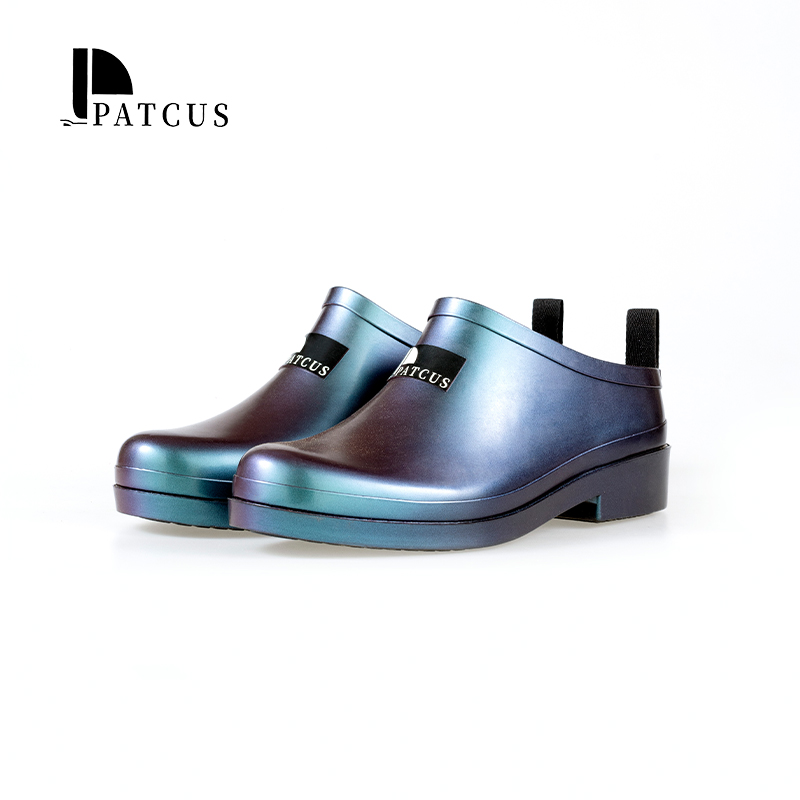
Women's rubber ankle boots rely on three core materials and construction methods: vulcanized rubber (standard for flexibility and water resistance), PVC (cost-effective for short-term use), and seam-free injection molding (eliminates water entry points). Vulcanized rubber is cured under heat and pressure, creating a durable bond that resists cracking and maintains shape. Professional Rain Boot Manufacturer often uses this method for urban boots to balance comfort and performance.
Shaft height is critical for city use: a 1-2 inch ankle height covers puddles and splashes without restricting movement, while a TPR outsole with tread patterns provides grip on wet concrete. Lining materials like polyester or cotton blend add breathability, reducing foot sweating during long walks.
3. Practical Solutions and Operation Steps
To select the right women's rubber ankle boots for wet city walks, follow these actionable steps:
- Step 1: Check shaft height – Choose 1 to 2 inches above the ankle to cover splashes without hindering movement; avoid styles over 3 inches for urban commuting.
- Step 2: Verify slip resistance – Ensure the outsole meets EN ISO 20347:2022 standards for wet surface grip, tested under controlled conditions per ISO 20344:2021.
- Step 3: Test flexibility – Bend the boot shaft gently; flexible rubber indicates comfort during walking, while stiff rubber will cause blisters on long trips.
- Step 4: Check for seams – Seam-free construction (glued and fused joints) prevents water leaks; avoid boots with visible stitched seams on the upper.
- Step 5: Size for socks – Order half a size larger than regular shoe size to accommodate thick socks used in cold or rainy weather.
4. Daily Maintenance and Precautions
Proper maintenance extends the lifespan of women's rubber ankle boots. Clean boots with mild soap and warm water after each use to remove dirt and salt stains, which can degrade rubber over time. Avoid using strong solvents or bleach, as they break down rubber compounds. Dry boots at room temperature, away from direct sunlight or radiators, which cause cracking and warping.
Key precautions: Do not leave boots in direct sunlight for extended periods, as UV radiation reduces rubber elasticity. Do not use rubber ankle boots as safety footwear for industrial work, as they do not meet ASTM F2413-24 protective toe requirements. Store boots in a cool, dry place, loosely stuffed with paper to maintain shape when not in use.
5. Industry Standard and Parameter Reference
ParameterRecommended ReferenceWhy It Matters
Slip resistanceEN ISO 20347:2022+A1:2024Evaluates outsole grip on wet urban surfaces like concrete and tile.
Water resistanceISO 17703:2015 (footwear water penetration test)Tests for leakage through seams and upper material in wet conditions.
Occupational footwear (non-safety)EN ISO 20347:2022+A1:2024Applicable for everyday urban commuter footwear.
Chemical resistance (minor contact)EN 13832-3:2018 (for splashes only)Relevant for occasional contact with urban cleaning chemicals or road salts.
All parameters are tested in laboratory settings by accredited facilities like SGS or Intertek, ensuring compliance with global footwear standards.
6. Customer Common FAQ
Q: Are all women's rubber ankle boots waterproof?
A: No. Only boots with sealed, seam-free construction are fully waterproof. Professional Rain Boot Manufacturer confirms that stitched-seam boots may leak through needle holes when submerged in deep puddles.
Q: How do I prevent rubber boots from cracking in cold weather?
A: Store boots above freezing temperatures when not in use, and apply a rubber conditioner (neutral pH) every 3-6 months. Avoid exposing boots to temperatures below -10°C (14°F) for extended periods.
Q: Can I wear rubber ankle boots for work?
A: Only if your job does not require protective toe or high-voltage safety. For industrial work, look for boots marked with ASTM F2413-24 compliance.
Q: Do breathable linings make a difference in wet city use?
A: Yes. Polyester or cotton blend linings reduce foot sweating, keeping feet dry even during long walks, unlike non-breathable plastic linings that trap moisture.
Conclusion
Selecting the right women's rubber ankle boots for wet city walks requires balancing fit, material, and compliance with relevant standards. This guide addresses common pain points from water leakage to slip resistance, providing actionable steps for urban users. Professional Rain Boot Manufacturer’s standardized knowledge helps ensure boots meet the specific needs of daily wet weather commutes, while proper maintenance extends their usability throughout the year.